A Whispered Compromise in Brussels
In a dim, coffee-scented conference room in Brussels, a quiet concession was drafted that barely registered on the world’s radar. European diplomats, weary from months of high-stakes negotiations over sanctions against Russia, reached for an unexpected eraser. They pulled back on proposed restrictions aimed at crippling Moscow's liquid natural gas (LNG) supply chain.
On the surface, it looked like hesitation. A sudden loss of nerve.
In reality, it was a calculated panic.
If Europe pushed too hard, pushing Russian state-backed energy assets into financial distress, a quiet bystander was waiting in the wings to buy them up for pennies on the dollar. That bystander was Beijing.
The fear was simple, logical, and terrifying for Western strategists. Sanction the projects into bankruptcy, and China steps in, assumes total control of key Arctic infrastructure, and secures an iron grip over global energy routes.
The Board Game in the Ice
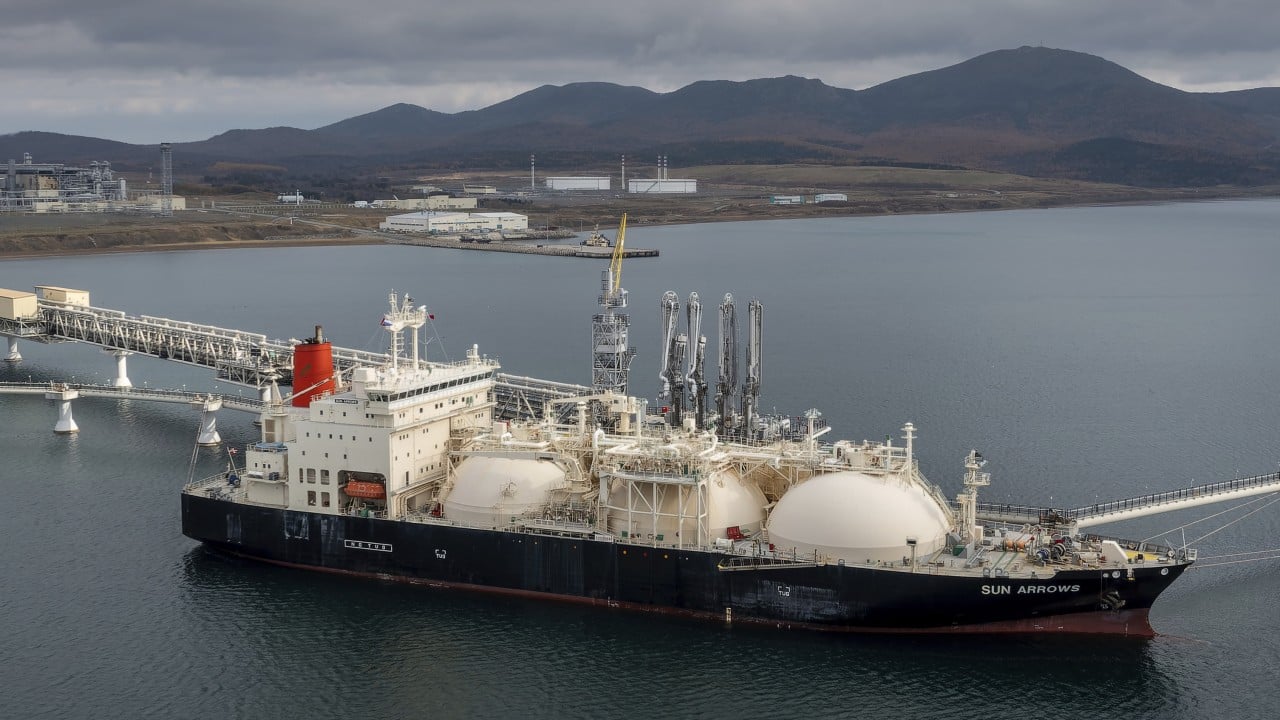
To understand how Europe found itself backed into this corner, picture a desolate stretch of tundra in northern Siberia. Russian energy giant Novatek operates massive LNG plants in the freezing wilderness, shipping super-cooled gas across thousands of miles of icy ocean.
Building these plants requires billions in international finance, hyper-specialized tankers, and Western technology. When the conflict in Ukraine escalated, the instinct among Western nations was straightforward: strangle the money flow, ban the tankers, stop the technology transfers. Brick up the doors.
It sounded like a flawless strategy on paper. But global commerce rarely respects simple blueprints.
Consider a hypothetical project operator—let's call him Viktor—standing on the frozen docks of Yamal. He watches massive Western-made tankers pull out into the gray waters. If those ships are banned from Western ports, the business model breaks. Debt accumulates. The financial engine sputners.
Now, introduce the third player at the table. Beijing's state-owned energy firms hold vast reserves of capital and an insatiable appetite for long-term energy security. If Western banks and shipping firms pull out under the weight of severe sanctions, Viktor’s project doesn't simply vanish into the Arctic mist. It gets refinanced by Chinese institutions.
Instead of crippling the asset, the sanction transfers its control. Forever.
The Invisible Stakes of Asset Seizure
The math behind energy sovereignty is brutal. When a Western government penalizes an asset, it assumes the owner will capitulate. But energy facilities are physical realities, not digital abstractions. They exist in real geographic space, surrounded by pipelines, docks, and maritime routes.
European policymakers realized they were setting a trap for themselves.
By outlawing European companies from servicing these maritime assets or handling transshipments, they risked triggering default clauses in multi-billion-dollar international contracts. Chinese firms, holding minor stakes or waiting as preferred lenders, possessed contractual rights to step in during a default.
Suddenly, the choice wasn't between punishing Moscow or doing nothing. The choice was between maintaining a fragile lever of influence over European energy markets or handing total operational control of Northern Sea Route infrastructure to state-backed entities in Asia.
The European Union blinked.
A High-Wire Act of Compromise
The resulting policy shift was far from a total surrender, but it was a distinct retreat from the initial, maximalist stance. Instead of sweeping, blanket bans that could trigger forced asset sales, regulators opted for surgical, targeted restrictions.
They trimmed the scope of transshipment bans. They extended grace periods. They left precise legal loopholes open, specifically designed to prevent Chinese buyers from triggering forced buyouts under distress clauses.
Diplomacy in the modern era rarely looks like grand treaties signed with golden pens. More often, it looks like this: carefully inserted footnotes in regulatory annexes, designed to keep a competitor from legally acquiring an icebreaker fleet.
The Long Shadow Over Global Markets
Power dynamics do not remain frozen in time. Every move creates an immediate counter-move, often thousands of miles away from the original conflict.
European leaders walked away from the bargaining table having avoided an immediate strategic disaster, but the vulnerability remains exposed. The dependence on globalized supply chains means that every hammer swung at an adversary risks bouncing back to strike the person holding it.
Out on the dark, freezing waters of the Arctic, the tankers continue to sail. Their hulls cut through the ice, carrying fuels that light cities thousands of miles away, while far below the surface, the delicate balance of global power hangs on the precision of a few legal definitions written in a room half a world away.
/IndonesianWoman-5ab91881ba61770037463fbd.jpg)