Post-electoral relocation by high-profile political figures is rarely a spontaneous personal vacation; it is a calculated risk-management maneuver designed to insulate political capital, manage legal exposure, and reorganize operational networks outside domestic jurisdiction. When Senator Flávio Bolsonaro traveled to Miami following the Brazilian presidential election, conventional media coverage framed the departure through a binary lens of routine travel versus outright flight. Both interpretations miss the structural mechanics driving international mobility among exposed political actors in polarized democracies.
To evaluate the relocation of a sitting senator and senior political operator accurately, analysts must separate verifiable logistical facts from strategic hypotheses, map the institutional incentives governing departure, and calculate the operational trade-offs of offshore positioning.
Separating Verified Logistics from Strategic Hypotheses
Rigorous political analysis requires a strict boundary between documented events and inferred intent. In the immediate aftermath of Brazil’s polarized electoral cycle, public reporting confirmed specific physical movements without establishing the underlying strategic calculus.
Documented Facts:
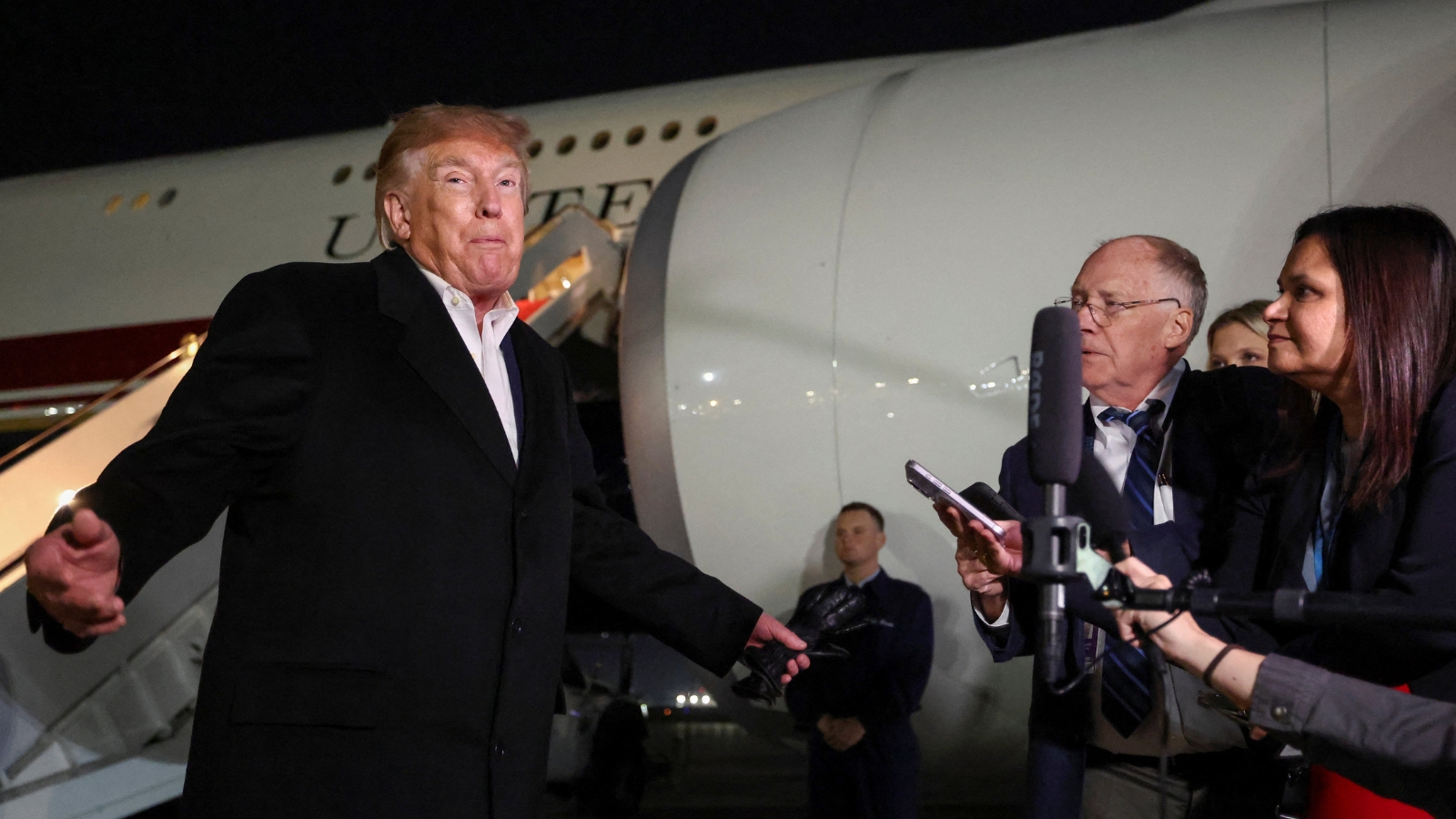
- Departure and Destination: Flávio Bolsonaro, a sitting Brazilian senator representing Rio de Janeiro and the eldest son of former President Jair Bolsonaro, departed Brazil and arrived in Miami, Florida, shortly after the conclusion of the presidential election.
- Parliamentary Status: Unlike outgoing executive branch officials whose terms expire upon the inauguration of a successor, a Brazilian senator holds an eight-year mandate. Departure from the national territory does not automatically terminate legislative immunity or parliamentary office, provided absence limits under Senate rules are respected.
- Jurisdictional Environment: South Florida maintains the highest concentration of Brazilian expatriates, Portuguese-language media infrastructure, and conservative political networks outside Brazil, creating a familiar operational ecosystem.
Analytical Hypotheses:
- Legal Buffering: Critics and political opponents hypothesize that relocation reduces immediate physical accessibility to domestic judicial authorities during periods of heightened institutional friction.
- Network Consolidation: Supporters and political strategists suggest the trip serves to coordinate international messaging, align with foreign conservative counterparts, and recalibrate opposition strategy away from domestic media pressure.
- De-escalation: A third hypothesis posits that temporary physical distance lowers the temperature of street-level mobilization and avoids direct confrontation during the transition of executive power.
Treating any single hypothesis as established fact degrades analytical precision. Instead, the decision must be modeled as a multi-variable optimization problem where legal, political, and reputational costs are weighed simultaneously.
The Four Drivers of Post-Electoral Political Relocation
When a political dynasty transitions from executive incumbency to opposition status, the risk profile of its core principals shifts overnight. The decision to relocate temporarily or indefinitely is governed by four structural pressures.
1. Jurisdictional Friction and Judicial Exposure
In systems characterized by activist high courts and overlapping investigative mandates, losing control of the executive branch strips a political movement of institutional shields. While a sitting senator retains foro privilegiado—the right to be judged directly by the Supreme Federal Court (STF) for crimes committed while in office—the investigative environment changes dramatically once allied ministers, federal police directors, and prosecutorial appointees are replaced.
Relocating to the United States introduces immediate jurisdictional friction. Even without formal asylum claims or extradition disputes, physical presence in a foreign jurisdiction slows down routine procedural steps:
- Serving subpoenas requires diplomatic channels or international legal cooperation treaties (MLATs).
- Precautionary measures, such as passport seizures or domestic travel restrictions, become logistically complex to enforce once the subject is already abroad.
- Informal interrogation and immediate detention risks drop to zero while the subject remains within U.S. borders, barring severe international warrants.
This is not immunity; it is latency. In high-stakes political warfare, buying time allows defense teams to observe how the new administration prioritizes investigations before the principal returns to domestic soil.
2. Asymmetric Information and Operational Security
During a transfer of power, domestic communications networks and state apparatus undergo rapid personnel turnover. Senior political figures frequently operate under the assumption that domestic metadata, travel logs, and local meetings face heightened scrutiny from incoming intelligence and law enforcement leadership.
Operating from Miami alters the intelligence baseline. Conducting strategy sessions, donor meetings, and media coordination on U.S. soil places those interactions under U.S. legal protections regarding privacy and association. For an opposition movement attempting to audit its electoral performance and plan municipal or legislative counter-offensives, offshore hubs provide a controlled environment free from immediate domestic surveillance pressures.
3. Capital Preservation and Asset Localization
Political dynasties rarely rely solely on public salaries; they depend on complex ecosystems of donors, business allies, and media financiers. Electoral defeat triggers immediate capital flight risk among domestic backers who fear regulatory retaliation or tax audits from the incoming government.
Miami functions as the primary financial clearinghouse for Latin American elites. Establishing a physical presence there facilitates direct, face-to-face reassurance with internationalized Brazilian capital holders. It allows political leaders to maintain fundraising pipelines, structure legal defense funds, and coordinate private-sector support outside the immediate reach of domestic financial regulatory pressure.
4. Narrative Control and Martyrdom Framing
In modern populist politics, physical departure is a double-edged messaging instrument. Domestic critics frame the move as cowardice—abandoning voters while facing accountability. Conversely, opposition media ecosystems reframe the exact same movement as strategic exile in the face of perceived institutional persecution.
By choosing Miami over a non-extradition jurisdiction with weak diplomatic ties, a political figure signals confidence rather than desperation. Travel to a major U.S. commercial hub looks like routine international engagement to moderate observers, while still permitting base-level influencers to imply that the principal is operating safely beyond the reach of domestic adversaries.
The Cost Function of Offshore Positioning
Relocation solves immediate exposure problems, yet it imposes severe operational penalties. Every day a senior political leader remains outside their home constituency, three distinct forms of depreciation occur.
1. Loss of Tactical Command in the Legislature
Brazil’s National Congress operates on high-frequency interpersonal negotiation. Committee chairmanships, floor votes, budget amendments (emendas parlamentares), and coalition discipline require physical presence in Brasília. A senator operating remotely cannot effectively whip votes, broker backroom compromises with the Centrão (the pragmatic legislative bloc), or block executive branch nominations in real time.
Absence creates a power vacuum. Rival leaders within the same ideological camp inevitably step into the void to claim leadership of the opposition, fracturing message discipline and diluting the absent figure's leverage over party funds and electoral endorsements.
2. Erosion of Constituent Connection
Electoral legitimacy in democratic systems relies on visible presence. While digital media allows continuous broadcasting from abroad, algorithmic reach cannot fully substitute for physical rallies, municipal visits, and local crisis response. Opponents aggressively exploit images of an opposition leader in a luxury U.S. destination while domestic supporters face economic headwinds or legal consequences from post-election protests. Over time, this visual contrast erodes grassroots enthusiasm and breeds resentment among lower-tier activists who lack the resources to leave the country.
3. Diplomatic and Visa Vulnerability
Relying on the United States as a safe harbor carries inherent fragility. Entry and stay for foreign politicians without diplomatic mission accreditation depend on standard visa categories subject to executive discretion by the U.S. Department of State and Department of Homeland Security.
If bilateral relations between Washington and Brasília prioritize institutional stability, or if domestic judicial authorities issue formal international alerts, U.S. immigration status can shift from an asset to a liability. Overstaying visa terms, engaging in unauthorized political fundraising on U.S. soil, or becoming a diplomatic irritant can trigger visa revocation—forcing an unscheduled, humiliating return under far worse conditions than a planned arrival.
Step-by-Step Mechanics of a Strategic Return
For an elected official holding an active mandate, offshore relocation cannot serve as a permanent state without forfeiting political relevance. Executing a return requires a disciplined sequence designed to neutralize the risks that prompted the initial departure.
- Audit the Judicial Docket: Legal teams must map every active inquiry across the Supreme Federal Court, the Superior Electoral Court (TSE), and first-instance federal courts to determine whether any sealed precautionary measures—such as passport confiscation or asset freezes—are pending execution upon border entry.
- Test Institutional Temperature via Proxies: Before the principal returns, lower-exposure allies and legal representatives engage with judicial clerks, parliamentary leadership, and party executives in Brasília to gauge whether the incoming administration intends to pursue aggressive criminalization or prioritize legislative governance.
- Secure Parliamentary Cover: Coordinate the return date with the opening of the legislative session or a major committee vote. Arriving directly to fulfill constitutional duties frames the trip as a routine parliamentary recess rather than a retreat, immediately reactivating institutional visibility.
- Reassert Financial and Party Control: Immediately convene party leadership upon arrival to lock down control over the Fundo Partidário (party fund) and upcoming municipal election endorsements, halting any internal coup attempts that developed during the absence.
- Control the Arrival Narrative: Bypass chaotic commercial airport arrivals where hostile press or demonstrators can dictate visuals, or conversely, stage a tightly controlled reception with loyal lawmakers to project institutional strength and normalcy.
Limitations of the Offshore Playbook
Analyzing political relocation through a strategic lens exposes the hard limits of this maneuver. No offshore strategy can resolve fundamental domestic vulnerabilities:
- Jurisdiction is Sticky: For sitting legislators and former executives, legal accountability in Brazil is tied to actions taken in office. Leaving the country pauses physical execution of warrants, yet trials in absentia and asset freezes within Brazil proceed regardless of where the defendant resides.
- Time Favors the Incumbent: Every month spent abroad allows the incoming government to consolidate bureaucratic control, appoint sympathetic judges, and set the legislative agenda. Delay rarely weakens a newly inaugurated administration during its first year.
- Base Fatigue: Populist movements thrive on continuous confrontation. Extended absence lowers the emotional intensity of the movement, converting active political followers into passive spectators.
The Strategic Imperative
The departure of Flávio Bolsonaro to Miami following the election exemplifies a defensive tactical pause rather than a sustainable long-term doctrine. Offshore positioning successfully absorbs the initial shock of an electoral transition, buys time to assess judicial risk, and preserves operational security during a volatile transfer of power. However, because political power in Brazil is overwhelmingly concentrated in Brasília’s legislative and judicial institutions, extended absence inevitably leads to marginalization.
To retain relevance as a viable opposition force, the strategic play is clear: treat Miami strictly as a short-term staging ground for legal auditing and network realignment, then execute a synchronized return to the Senate floor before the legislative calendar solidifies. Remaining abroad beyond the parliamentary recess transforms a calculated tactical retreat into a permanent surrender of domestic political capital.