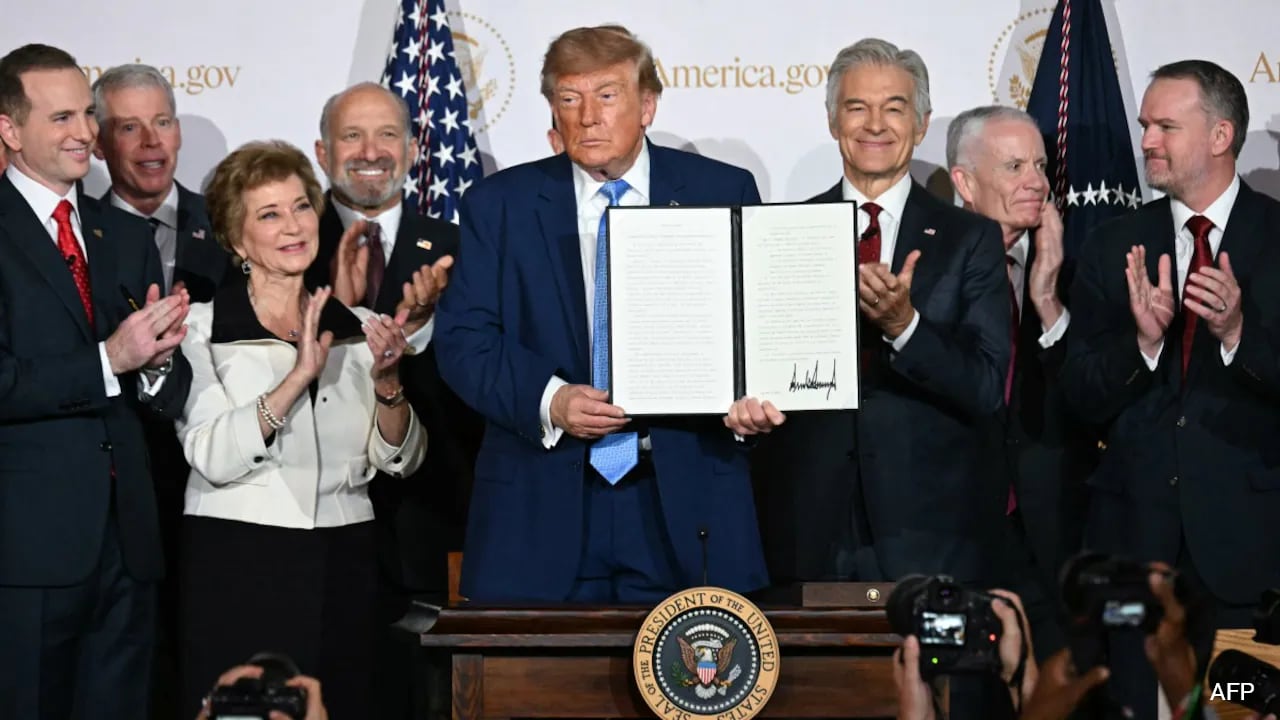
The lazy consensus permeating every mainstream commentary about the recent White House tech summit is rooted in a fundamental misunderstanding of code, capital, and geography. Pundits look at voluntary self-policing frameworks and shriek that the fox is guarding the henhouse. They demand heavy federal oversight, compliance boards, and bureaucratic red tape to cage the machine intelligence beast before it breaks free.
They are asking the wrong question entirely. The issue is never whether tech giants can be trusted to police themselves. The issue is that centralized state regulation of a decentralized global software ecosystem is a physical impossibility.
I have watched venture capitalists blow tens of millions on compliance theater while open-source models outpace proprietary architectures in real time. The moment a government tries to legislate weights, parameters, or training clusters within its borders, compute simply relocates to jurisdictions with cheaper power and zero oversight. Pretending that a
Why Trump Backing AI Self Regulation Is Actually The Best Thing That Could Happen To Innovation
technology, business
Every handwringing pundit in Washington and Silicon Valley is currently having a collective meltdown over Donald Trump endorsing a hands-off, self-regulatory approach to artificial intelligence following a recent high-profile tech summit. The lazy consensus from the commentariat is predictable. They claim that leaving trillion-dollar corporations to police their own algorithms is equivalent to leaving foxes in charge of the hen house. They demand heavy-handed federal oversight, compliance committees, and endless bureaucratic red tape to protect us from digital apocalypse.
They have it completely backwards.
I have watched companies burn through millions of dollars chasing compliance frameworks designed by bureaucrats who cannot code a "Hello World" script. Bureaucracy is an innovation tax. When you force emerging technology through a government bottleneck, you do not protect society. You merely entrench the incumbents. You hand the biggest players a moat made of legislation, ensuring that scrappy garage startups can never afford the legal compliance costs required to enter the market.
Let us define what self-regulation actually means in a hyper-competitive, global technology race. It does not mean corporate altruism. Silicon Valley executives do not wake up thinking about public safety; they wake up thinking about market share. But self-regulation forces market dynamics to do the heavy lifting. When companies self-regulate, they are terrified of catastrophic failure because a single major algorithmic disaster destroys consumer trust instantly. Trust is capital. Destroy it, and your stock plummets faster than any congressional committee can draft a subpoena.
Consider the alternative. The European Union decided to pioneer heavy-handed governance with its sweeping Artificial Intelligence Act. What was the result? European tech innovation has effectively stalled, drowned in a sea of preemptive compliance before models even hit the training phase. While Brussels writes definitions, Shenzhen and Silicon Valley write code. If America adopts a suffocating regulatory regime, we do not neuter big tech; we simply hand the global intelligence crown to foreign adversaries who operate under zero regulatory constraints.
The truth nobody in the press corps wants to admit is that decentralized competition beats centralized bureaucracy every single time. Open-source models are decentralizing power faster than any regulator can track. If a company tries to lock down its proprietary model with heavy restrictions, developers simply route around them. The open-source community provides a natural immune system against corporate overreach. If an algorithm goes rogue or becomes overly restricted, fork it, fix it, and deploy it elsewhere.
Of course, this approach has a dark side. A hands-off policy means we will see more turbulent market corrections. Companies will make mistakes. Flawed models will ship, and bad actors will attempt to exploit vulnerabilities. That is the price of velocity. Safety through stagnation is a slow death disguised as caution. We traded dynamism for safety once before, and we ended up with sluggish legacy industries that required endless bailouts.
Stop treating artificial intelligence like a nuclear weapon that needs a bureaucratic launch code. Treat it like what it is: a volatile, high-speed economic engine. If you want safer systems, demand open audits, rigorous red-teaming, and radical market transparency—not compliance stamps from politicians who still print out their emails.
Build better models, or get out of the way.