He is a third-generation machinist living in Windsor, Ontario, just a stone's throw across the Detroit River. For decades, his family's livelihood depended entirely on the economic heartbeat of the United States. His grandfather built parts for Buicks; his father survived the trade wars of the nineties. He grew up believing that whatever happened in Washington, the bond between Canada and America was ironclad.
Then came the tariffs. Then came the casual rhetorical threats from Washington about annexing his country as the "51st state." In related updates, we also covered: Stop Calling Geopolitical Escalation a War Crime.
Now, when he looks across the water, he no longer sees a steady older brother. He sees an unpredictable giant, volatile and self-absorbed. When asked by a pollster recently how he views the two great superpowers vying for the future, his answer would have shocked his younger self.
He chose China. Associated Press has also covered this critical subject in extensive detail.
He is not alone. A quiet, tectonic shift has just occurred beneath the surface of global geopolitics, and the tectonic plates have settled in a position that was unthinkable just a few years ago.
The Day the World Flipped
For two decades, the Pew Research Center has tracked a simple, fundamental question across the globe: How do you view the world's leading superpowers? Year after year, the answers formed a reliable, comforting baseline for Western policymakers. The United States, despite its flaws, consistently held the high ground of global favorability. China was the rising autocracy, viewed with deep suspicion.
That era is over.
In its latest sweeping global survey, which gathered the voices of more than 42,000 people across 36 nations, Pew captured a historic reversal. For the first time in the history of the polling project, global favorability has flipped. China is now viewed more positively than the United States in 25 of the 36 countries surveyed.
The shift is not subtle. It is a landslide of public opinion.
In Canada, favorability toward the U.S. has cratered from 57 percent in 2023 to a mere 33 percent today. Meanwhile, positive sentiment toward China has surged to 44 percent. Across the Atlantic, in the United Kingdom, France, Germany, Spain, and Italy, the story repeats. In nations that have spent three-quarters of a century tied to Washington by blood, treaty, and shared values, the scales have tipped.
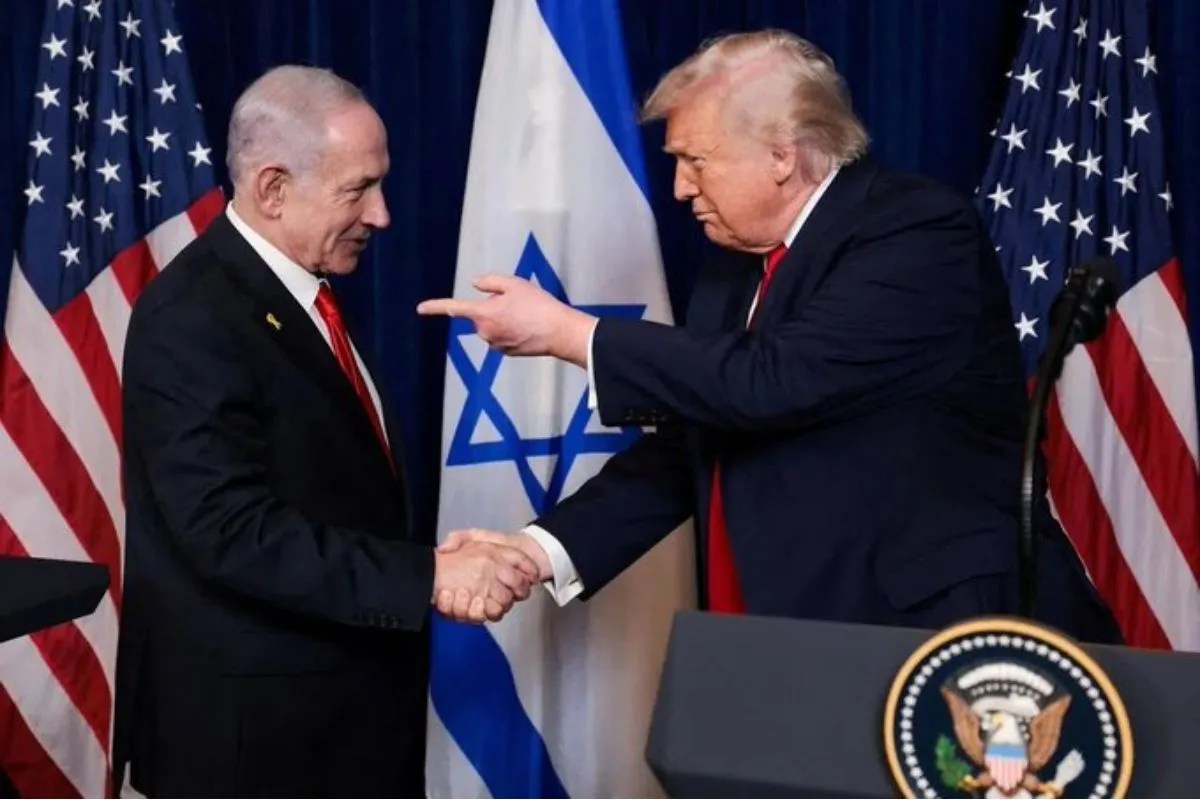
Only six countries among those surveyed still hold a more favorable view of the United States than of China: Israel, India, Japan, South Korea, Poland, and the Philippines. Everywhere else, the world is looking at a new center of gravity.
The Weight of the Unpredictable
To understand how we arrived here, we must look beyond the sterile columns of data and examine the psychological weight of predictability.
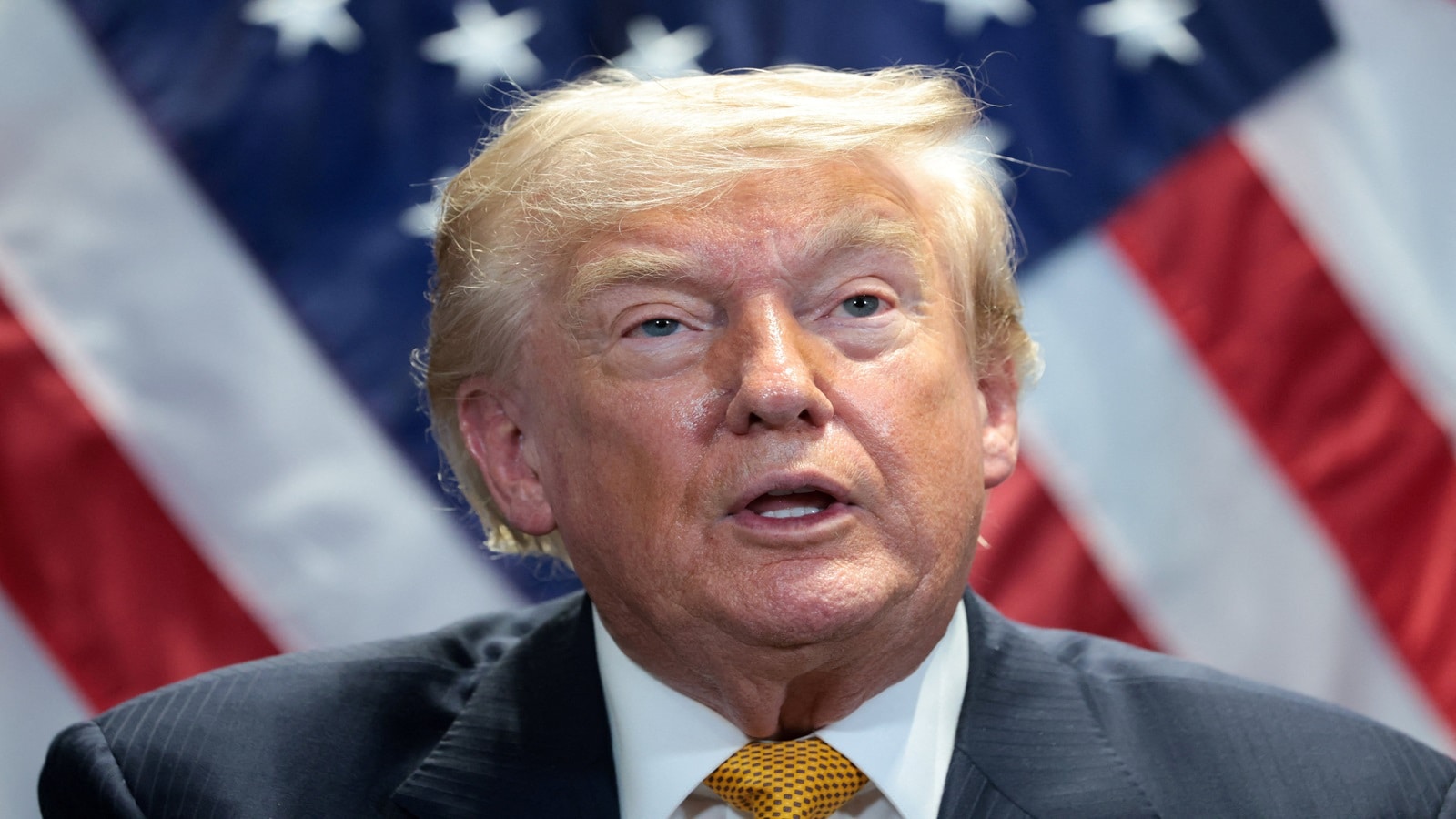
Human beings crave stability. Whether you are running a manufacturing plant in Ontario, a tech startup in Munich, or a shipping firm in Rotterdam, your greatest enemy is volatility. Over the last year, the United States has projected a chaotic, high-stakes drama to the rest of the world. The second term of President Donald Trump began with a flurry of aggressive tariffs on close allies, dramatic public disputes, and unexpected military action against Iran.
During the polling period, as U.S. and Israeli forces engaged in a highly volatile conflict with Iran, the world watched with holding breath. In middle-income nations especially, a chilling realization took hold. The giant across the ocean was no longer interested in maintaining the global commons. Instead, it seemed willing to risk global economic stability for transactional, short-term victories.
By contrast, consider how China operates on the international stage.
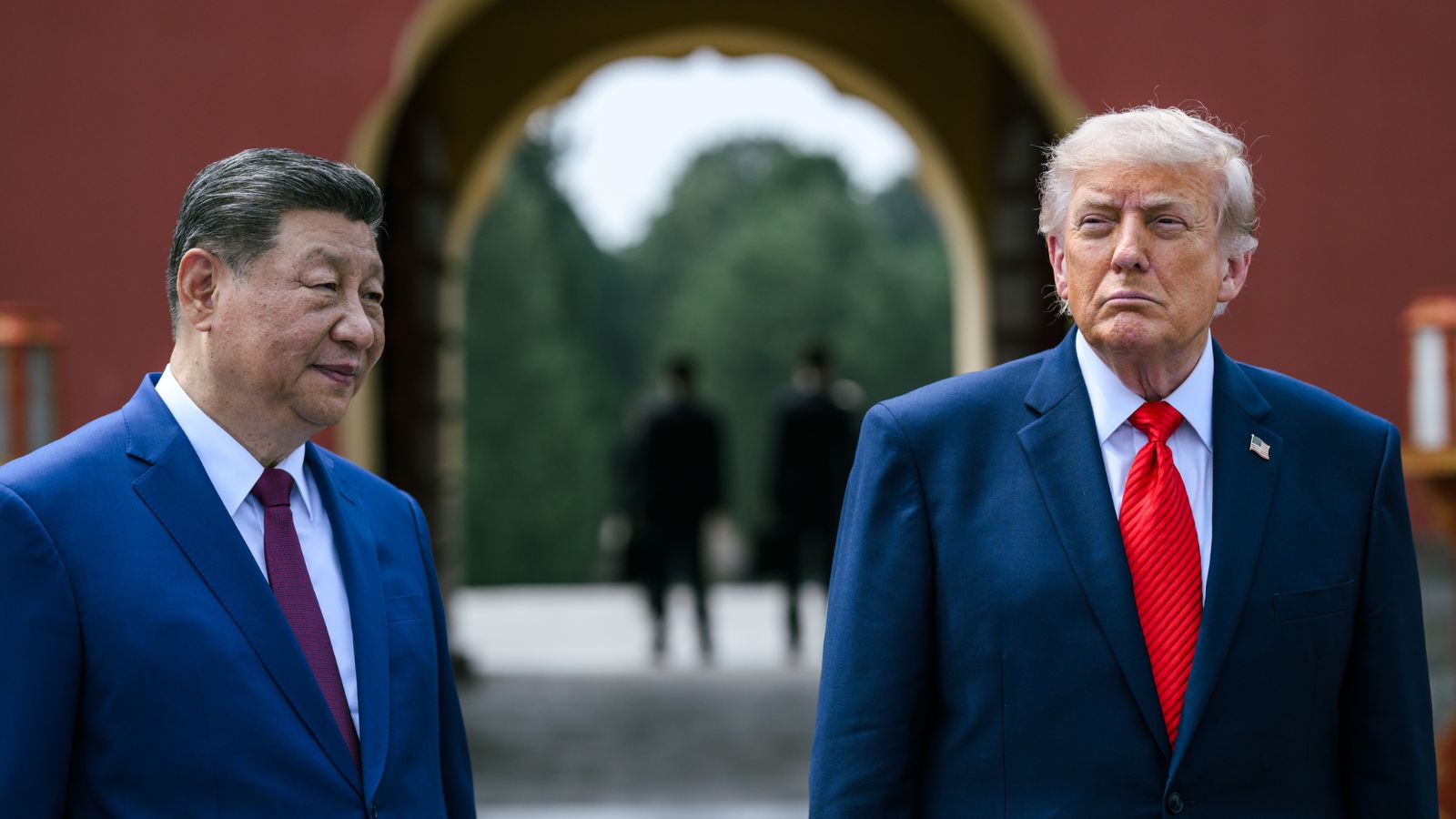
We are not talking about a sudden love affair with authoritarianism. Global confidence in Chinese President Xi Jinping remains low, though it currently edges out confidence in Donald Trump. People are not blind to Beijing's tight control or its human rights record.
But China offers something the United States currently does not: a steady hand.
While Washington threatened allies and pulled out of treaties, Beijing spent years quietly building roads, financing ports, and maintaining a consistent, predictable foreign policy framework. To a developing nation in Latin America or a mid-sized economy in Southeast Asia, China looks like a business partner who shows up to meetings with a contract, while the United States looks like a partner who might throw the table over if they have a bad morning.
The Vanishing Margin of Freedom
For decades, the ultimate defense of American global leadership was a moral one.
Even when American foreign policy blundered, defenders could point to the foundational values of the republic. The U.S. stood for personal freedoms, individual liberty, and the rule of law. China, with its sophisticated surveillance state and suppression of dissent, was the dark alternative.
But the moral high ground is eroding.
The Pew data reveals that while the United States is still viewed as respecting personal freedoms more than China, that gap is closing rapidly. It is not because global citizens have suddenly fallen in love with Beijing's governance model. It is because they have watched the U.S. domestic landscape fracture, witnessing a steady erosion of what they once perceived as a stable, free society.
When the shining city on a hill spends its time arguing over its own democratic foundations and treating its closest neighbors as economic adversaries, the light from that hill begins to flicker.
Consider the physical reality of this shift. In countries like South Africa, 64 percent of citizens believe China takes their national interests into account when making decisions, compared to just 42 percent who say the same about the United States. In Brazil, Colombia, and Peru, China is now viewed as an equally reliable partner to the U.S., but with one major caveat: respondents are far more likely to say Washington actively interferes in their internal affairs.
The Silent Landscape
This is not a story about military conquest or sudden ideological conversion. It is a story about drift.
It is the silent accumulation of small grievances—the tariff on aluminum here, the aggressive tweet there, the sudden escalation of a regional war across the globe. Together, they form a heavy, suffocating weight that has pushed America’s closest allies to look elsewhere for stability.
The international community has not embraced China because of a sudden alignment of values. They have done so out of a pragmatic, self-prescriptive need for survival in an increasingly stormy world. They have looked at the two giants standing over the global economy and decided that the quiet, calculating player is safer than the loud, unpredictable one.
The Windsor machinist still looks across the river at Detroit, but the view is different now. The lights of the American skyline, once a symbol of an aspirational, protective neighbor, now feel like the warning lights of a machine running dangerously out of control. And in that silence, a new global reality has quietly taken root.