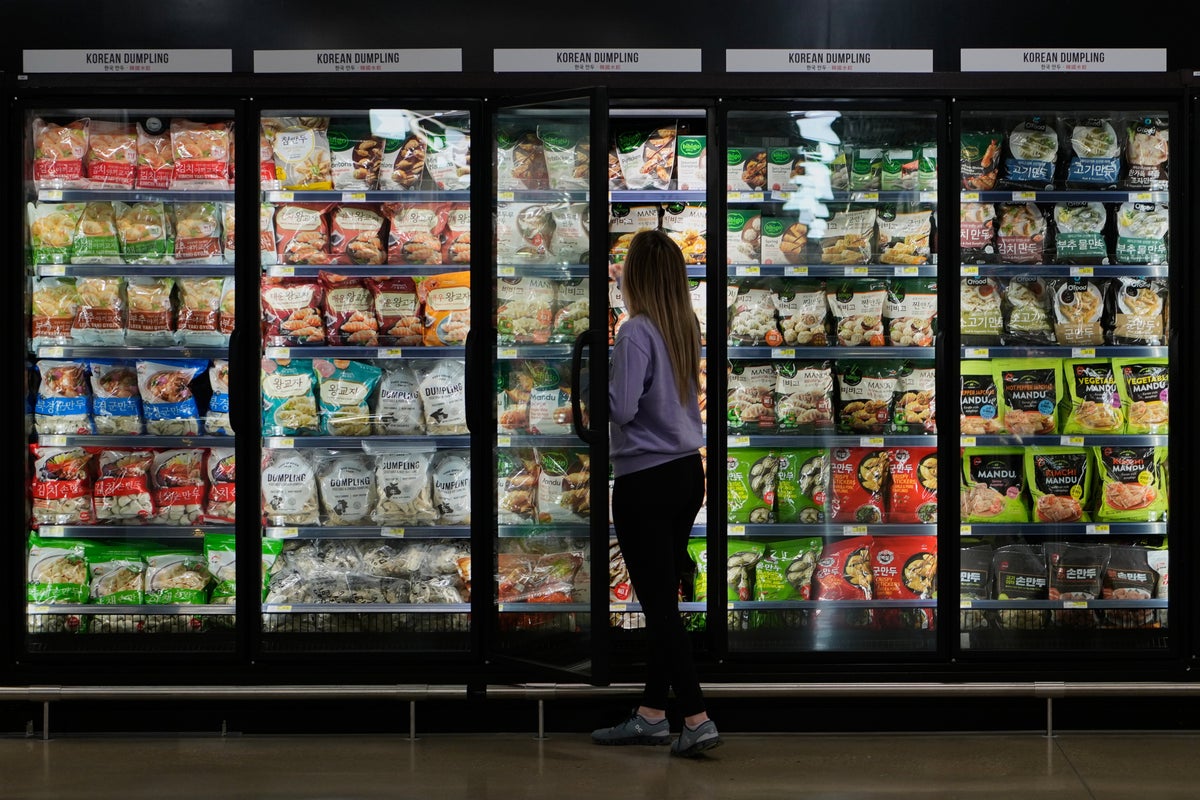
You stand in the grocery aisle looking at a container of coffee that costs 29% more than it did last year. Next to it, a carton of eggs and a package of ground beef feel like luxury purchases. If you feel like you are playing financial defense just to feed your family, you aren't alone. In fact, you're in the majority.
Recent data reveals that 61% of Americans—roughly three out of five people—are actively slashing items from their grocery lists to cope with unrelenting food costs. The Bureau of Labor Statistics recently clocked grocery inflation at 2.9% year-over-year, but that baseline number doesn't tell the full story. Ground beef is up 18.9%. Tomatoes have soared by 50%. The compounding effect of the last five years means overall food prices have jumped roughly 30% since 2019. Paychecks simply haven't kept pace, and the average family is feeling the squeeze every single week.
The Death of Brand Loyalty
For decades, big food brands counted on consumer habits. You bought the same peanut butter, the same cereal, and the same snacks your parents bought. That loyalty has officially evaporated under the pressure of the wallet.
Recent research from consumer insights firm Zappi indicates that a massive 90% of shoppers have fundamentally altered their food-buying habits. Brand loyalty has plummeted into the single digits, with only 10% of consumers sticking exclusively to name brands. Instead, people are aggressively hunting for value.
- Mixing and matching: Two-thirds of shoppers now run a hybrid cart, blending name brands with store brands to keep costs down.
- The generic shift: Store-brand sales are booming as buyers realize the private-label version tastes almost identical for 30% less money.
- Sticker shock rejection: Even modest price hikes of 5% to 10% on non-essential items like sodas or packaged cookies are causing shoppers to leave them on the shelf entirely.
This isn't just a shift in preference; it's a structural change in how America shops. People don't care about the logo on the box when they're staring down a weekly bill that has jumped by $50 to $75 over the past few months.
How Age and Income Divide the Grocery Aisle
While inflation hits everyone, it doesn't hit everyone the same way. The strategy you use to fight rising food costs depends heavily on your age and your income bracket. Data from a recent Humantel Food & Economy Survey highlighted a sharp divide in how different generations navigate the supermarket.
Shoppers Over 50 Tighten the Reins
Older Americans are treating grocery shopping like a precise military operation. They are the most likely to report that current food prices exceed their sustainable budgets. To survive the checkout line, they rely heavily on traditional clipping, digital coupons, hard discounts, and zero-impulse buying. They stick to a strict list, compare per-ounce pricing across brands, and will walk out of a store if an item isn't on sale.
Younger Families and the "Trade-Down" Struggle
For Gen Z and millennial parents, the pressure is leading to a different kind of behavioral shift. LendingTree data shows that 66% of young families report significantly higher food spending this year than last. They are cutting back drastically on restaurant dining and food delivery apps. When they do eat out, a quarter of them report tipping less just to make the math work.
The most alarming trend sits at the lower end of the income spectrum. While middle-income families can pivot to generic brands or use coupons, many low-income households have already maxed out those strategies. They aren't switching from name-brand cereal to store-brand cereal anymore; they are simply buying fewer groceries or skipping meals entirely. Over 20% of low-income shoppers report that they are reducing the raw volume of food they buy because there is nothing left to trim.
The Hidden Costs: Beyond the Supermarket Shelf
The crisis isn't contained within the walls of your local supermarket. It's bleeding into every corner of the consumer economy. The Conference Board recently noted that two-thirds of Americans are cutting back on general spending directly because of food and fuel inflation.
When your grocery bill spikes by $200 a month, that money has to come from somewhere. It comes out of the clothing budget, the electronics budget, and delayed home repairs. Discount retailers are seeing a massive influx of middle-class shoppers who used to buy their household essentials at traditional department stores.
Furthermore, the financial strain is forcing families into unconventional and risky survival tactics. Roughly 22% of consumers now report relying on food banks or community assistance to patch the holes in their monthly food budget. Even more striking, 11% of shoppers admit to using "Buy Now, Pay Later" (BNPL) services at checkout just to purchase everyday groceries. Using short-term debt to buy perishable food is a massive red flag for the health of the American consumer.
Real Strategies to Outsmart the Grocery Bill
You can't control national inflation rates, supply chain disruptions, or corporate pricing strategies. But you can control the architecture of your shopping trip. If you want to keep your budget intact without sacrificing basic nutrition, you have to move past generic advice like "don't shop hungry." You need a concrete framework.
Map Your Meals Around the Sales Circular
Most people plan a menu and then buy the ingredients. Flip that process. Look at your local store's weekly digital ad first. If pork loin or bone-in chicken thighs are on a deep discount, build your protein baseline around those items. Let the store's inventory clearance dictate what you eat, not your whims on a Tuesday night.
Master the Unit Price
Ignore the big bold retail price on the shelf tag. Look at the tiny text in the corner that reveals the price per ounce, per quart, or per pound. Big packaging is often a visual illusion. Companies frequently engage in "shrinkflation"—keeping the box the same size while reducing the actual weight of the food inside. The unit price is the only metric that tells you if you are actually getting a deal.
Audit Your Food Waste
The average American household throws away roughly 20% of the food they buy. That is equivalent to taking a $100 bill at the register and dropping it in the parking lot trash can. Before you go to the store, do a "fridge crop rotation." Move older produce to the front. Freeze meats that you won't cook within 48 hours. Turn leftover roasted vegetables and meat scraps into a soup or a frittata. Reducing waste is the fastest way to give yourself an immediate 20% discount on your grocery budget.
Break Your Single-Store Habit
Shopping entirely at one supermarket is a luxury of the past. High-efficiency discount grocers like Aldi or Lidl offer baseline staples—like flour, sugar, canned goods, and olive oil—at prices that traditional supermarkets cannot touch. Use discount chains for your pantry foundations, and hit the traditional supermarket only for regional loss-leaders or specific fresh items you can't find elsewhere.
The math is simple: saving money at the grocery store now requires a significant investment of time and strategy. The days of casual, mindless wandering through the aisles are gone. Winning the battle against inflation requires turning your kitchen into an efficient economic unit.
Families cut back on groceries as prices continue to climb
This news report features interviews with real shoppers discussing how they stretch their budgets and choose between essentials due to rising prices.