The Real Target Isn't Oil
You watch the news and hear about airstrikes on oil refineries or shipping lanes. But you're missing the actual existential threat in the Middle East right now. It's water.
In July 2026, Iran deliberately struck a power and desalination plant in Kuwait. Kuwaiti authorities managed to control the resulting fire, but the message was brutally clear. Iran wanted to prove they could cut off the lifeblood of an entire nation. Kuwait gets 90 percent of its drinking water from these coastal desalination plants. If those facilities shut down completely, you don't just get thirsty citizens. You get mass evacuations. You get a modern, wealthy country rendered uninhabitable in a matter of days.
This is the terrifying reality of the US-Iran conflict spreading across the Persian Gulf. We focus entirely on energy markets and global shipping. Meanwhile, the actual survival architecture of the Gulf states is sitting completely exposed on the coastline.
Saltwater Kingdoms
The Middle East is defined by extreme aridity. Across the entire Arabian Peninsula, there isn't a single permanent river. Gulf Cooperation Council countries like Kuwait, Bahrain, and Saudi Arabia long ago depleted their natural groundwater aquifers. By UN standards, they live in a state of absolute water scarcity.
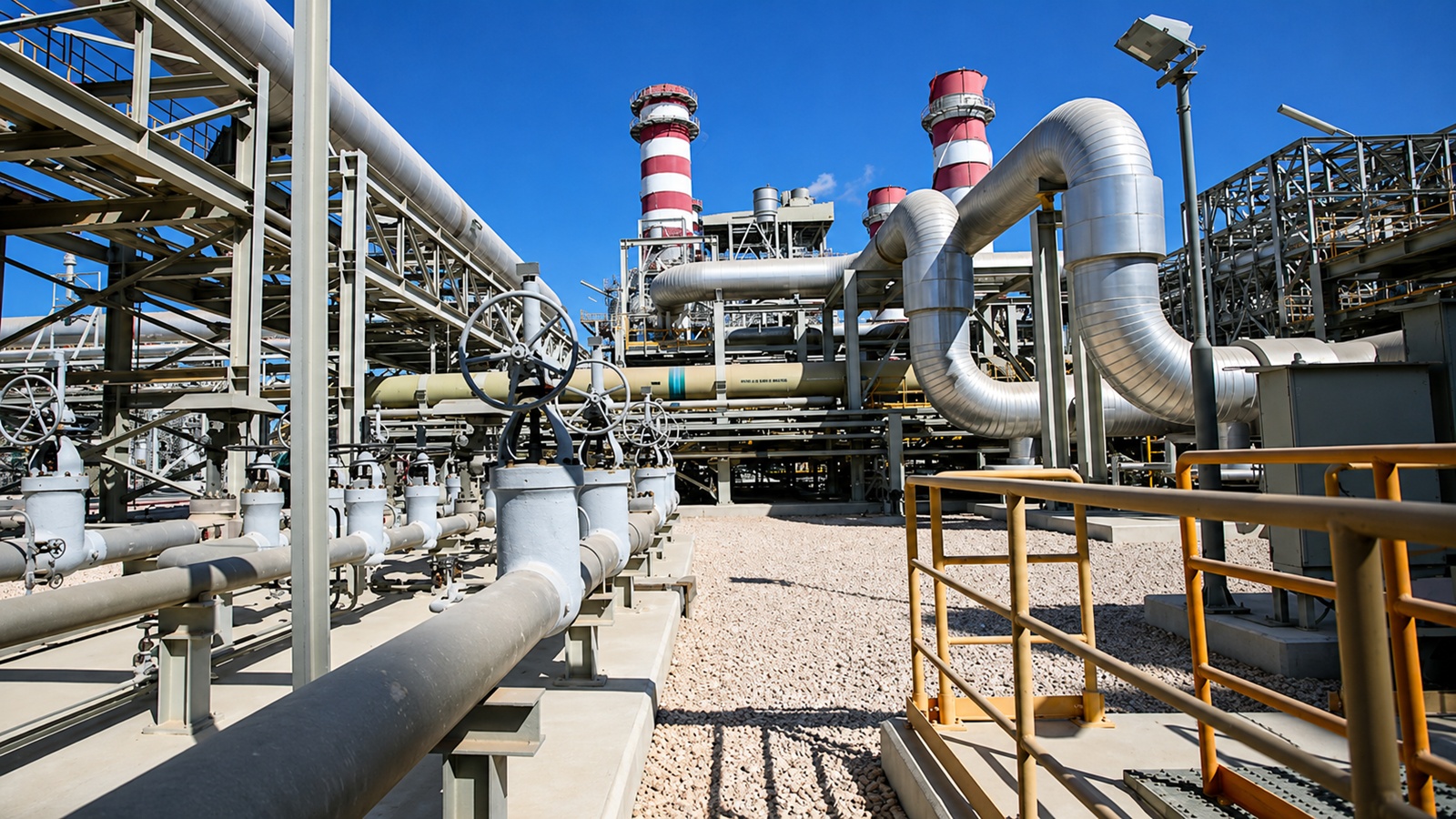
So they used their massive hydrocarbon wealth to buy a solution. They built massive industrial facilities that suck in seawater, boil it or push it through semi-permeable membranes using energy-intensive reverse osmosis, and pump it into the cities. Today, there are over 3,400 operational desalination plants in the Gulf. Collectively, they churn out about a third of the entire world's desalinated water daily.
Cities like Dubai, Doha, and Kuwait City depend almost entirely on these coastal machines. Without them, these futuristic metropolises revert to harsh, unlivable desert. That makes the plants incredibly valuable. It also makes them massive strategic liabilities.
The Strategic Asymmetry
This is where the conflict gets truly dangerous. The combatants are fighting two completely different wars with vastly different stakes.
Iran only relies on desalination for roughly 2 to 3 percent of its national water supply. They use it for some remote coastal communities and islands, but the vast majority of their 90 million citizens rely on internal rivers, dams, and reservoirs.
The Gulf states don't have that luxury. Qatar is 100 percent dependent on manufactured water. The United Arab Emirates hovers around 80 percent, and Saudi Arabia sits at 70 percent.
If the US military bombs an Iranian highway bridge or a port facility in Chabahar, it causes severe economic pain and logistical nightmares. If Iran bombs a Kuwaiti water plant, it threatens the actual biological survival of the population. It crosses a terrifying threshold. You are no longer degrading a military capability. You are threatening a civilian necessity.
Why The Security Umbrella Is Failing
Smaller Gulf states thought they bought immunity by hosting American military bases. They assumed the sheer weight of the US presence would deter Iranian aggression. The July 2026 attacks proved the exact opposite.
Hosting US forces actually painted a massive target on Kuwait's back. Iran knows they cannot defeat the United States military in a direct, conventional shootout. Instead, they hit the soft underbelly of America's allies.
By attacking civilian water infrastructure in Kuwait and Bahrain, Iran executed a specific strategy of coercion. They want to terrify Gulf leadership. They want Kuwait to feel the blistering pain of the US security umbrella. The logic is brutal but highly effective. If your citizens have no drinking water during a 115-degree heatwave, you will beg your American allies to de-escalate.
We're watching ecological vulnerability become weaponized. The US military strikes might degrade Iranian drone forces, but they also turn smaller Gulf states into collateral damage. Kuwait is caught in a nightmare. They host American troops, making them a proxy target, yet they lack the independent military capacity to defend their massive coastal water intake systems from low-flying drones.
The Unthinkable Scenario
Think about what actually happens if a coordinated swarm of drones takes out the Doha West plant in Kuwait or the massive facilities in Saudi Arabia. It is not just a localized blackout. Water reserves in these countries often only hold a few days of emergency supply.
You would see immediate panic buying. Public facilities, hospitals, and businesses would shut down within 48 hours. The cascading effects would trigger massive grid failures because water and power generation are deeply intertwined in these hybrid thermal plants. The international community would suddenly face a humanitarian crisis involving millions of people who have the money to survive but literally nothing to drink.
Gulf nations need to frantically decentralize their water infrastructure right now. They need floating desalination units, deeper underground strategic reserves, and aggressive diplomatic backchannels to keep their water supply out of the crossfire. Stop assuming wealth guarantees survival in a war zone. When the taps run dry in a desert, your money doesn't matter.


