History does not always arrive with the thunder of falling walls. Sometimes, it creeps in through the heavy wooden doors of a courtroom, carried on the rustle of stacked paper and the quiet, collective holding of breath.
Imagine sitting on a worn wooden bench in Dhaka. Outside, the humid air hums with the relentless pulse of rickshaw bells and distant traffic. Inside, time seems to stretch. The International Crimes Tribunal stands not merely as a physical structure of brick and mortar, but as a crucible where the past is forced to look the present squarely in the eye.
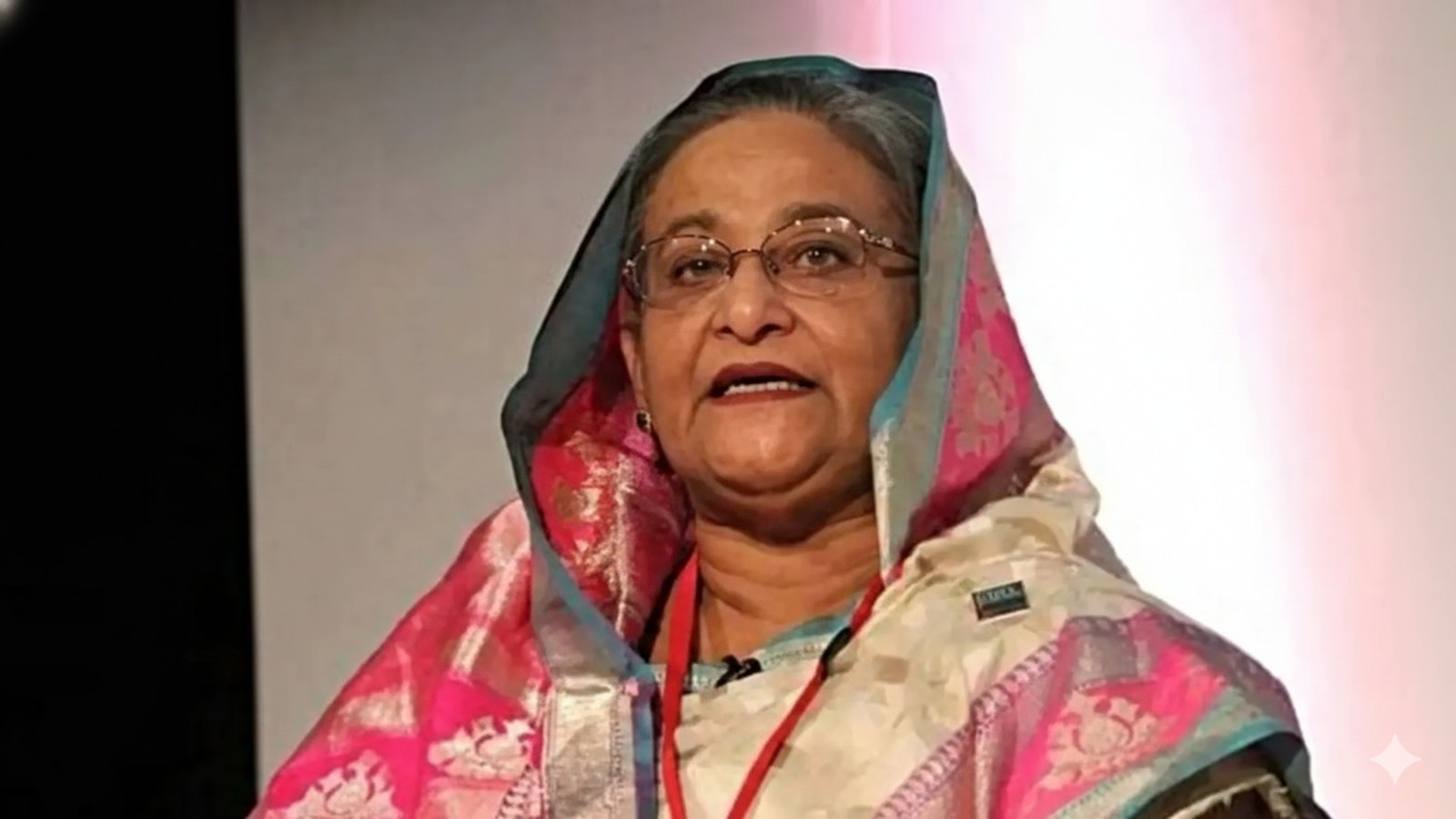
Sheikh Hasina faces fresh charges of crimes against humanity.
The legal documents do not read like dry statutes. They read like a ledger of fractured lives. Behind every paragraph of formal legal framing lies a visceral reality—smoke rising over university campuses, families searching hospitals for faces that will never return, and an overwhelming demand for an accounting that transcends ordinary politics.
The Weight of Power
Power is a fragile architecture. When held too tightly, it turns to dust in the hands of the ruler.
For over fifteen years, the political landscape of Bangladesh was defined by a singular, towering presence. Streets swelled with development projects, bridges spanned mighty rivers, and economic indicators ticked upward. Yet, beneath the polished surface of progress, structural stress fractures began to form. Dissent grew quiet. Spaces for open debate narrowed.
Consider a hypothetical student leader in 2024, a twenty-two-year-old standing at the gates of Dhaka University. She holds a placard, her voice hoarse from chanting slogans about equality and reform. She is not an abstract political statistic. She has a mother who worries every time she steps out the door, a younger brother who looks up to her, and a notebook filled with poetry alongside protest notes. When the state responds with force, the distance between high office and human skin collapses instantly.
That is the chasm the tribunal now attempts to bridge.
Legal accountability for heads of state is never simple. It requires an extraordinary evidentiary burden. Prosecutors must connect the policy directives whispered in air-conditioned offices to the chaos unfolding on asphalt streets miles away. They present digital forensics, eyewitness testimony, and institutional records. They construct a narrative of command responsibility—the legal principle that leaders who knew, or should have known, about systemic abuses and failed to stop them share the culpability.
The Anatomy of Justice
Justice moves deliberately, which often feels like cruelty to those who have suffered.
In the wake of the mass uprising that forced Hasina from power and into exile in August 2024, the interim government led by Muhammad Yunus inherited a nation standing on the edge of a moral precipice. The calls for retribution were immediate and loud. Vandalism, anger, and retaliatory violence threatened to consume the very fabric of society.
Yet, true justice requires a different vehicle. It demands due process, cross-examination, and the meticulous collection of facts. The International Crimes Tribunal, originally established in 2010, has a complex and controversial history of its own. Critics previously raised valid concerns about its independence and adherence to international fair-trial standards. Therefore, the current proceedings carry an immense dual burden: they must judge the accused, and they must simultaneously redeem the integrity of the judicial institution itself.
When the chief prosecutor outlines the fresh charges—encompassing allegations of mass killings, enforced disappearances, and systematic torture during the weeks of unrest—the courtroom falls utterly silent. The gravity of the accusations hangs heavy in the air.
We talk about human rights in global forums as if they are abstract theorems. But ask anyone who spent sleepless nights calling local police stations to find a detained university student. Ask the parents who buried children in quiet village graveyards under the cover of night. For them, human rights are as tangible as an empty chair at the dinner table.
Looking Beyond the Horizon
The proceedings in Dhaka are not isolated to a single courtroom or a single political figure. They represent a global reckoning happening across modern democracies and fragile republics alike. Across the world, populations are waking up to the realization that impunity cannot be the default setting for authority.
When a leader who wielded absolute control for decades must answer to a panel of judges, the psychological contract between the ruler and the ruled undergoes a violent realignment. It sends a message across borders: the office may be temporary, but the responsibility for human life is permanent.
The road ahead remains fraught with uncertainty. Diplomatic tensions simmer. Questions regarding extradition, regional stability, and political polarization shadow every hearing. Yet, the process has begun. The transcripts are being written. The testimonies are being recorded into the permanent historical record.
As the sun sets over the Buriganga River, painting the water in shades of bruised purple and gold, the city settles into a restless anticipation. The ghosts of the past do not vanish easily. They linger in the quiet spaces between heartbeats, waiting to see if the law can finally measure up to the depth of their grief.
In that vast, hushed hall of justice, the quill moves across the page. Every word is a step toward an accounting that history demanded long before anyone dared to speak its name aloud.


