Volcanic ash is basically microscopic glass. When a jet engine ingests it, the molten rock melts inside the turbine, coats the blades, and shuts down power completely. That is why Indonesia's transport authorities panicked over the weekend and grounded flights across Java.
Mount Anak Krakatau erupted violently, shooting plumes of ash nearly 50,000 feet into the air and paralyzing regional aviation.
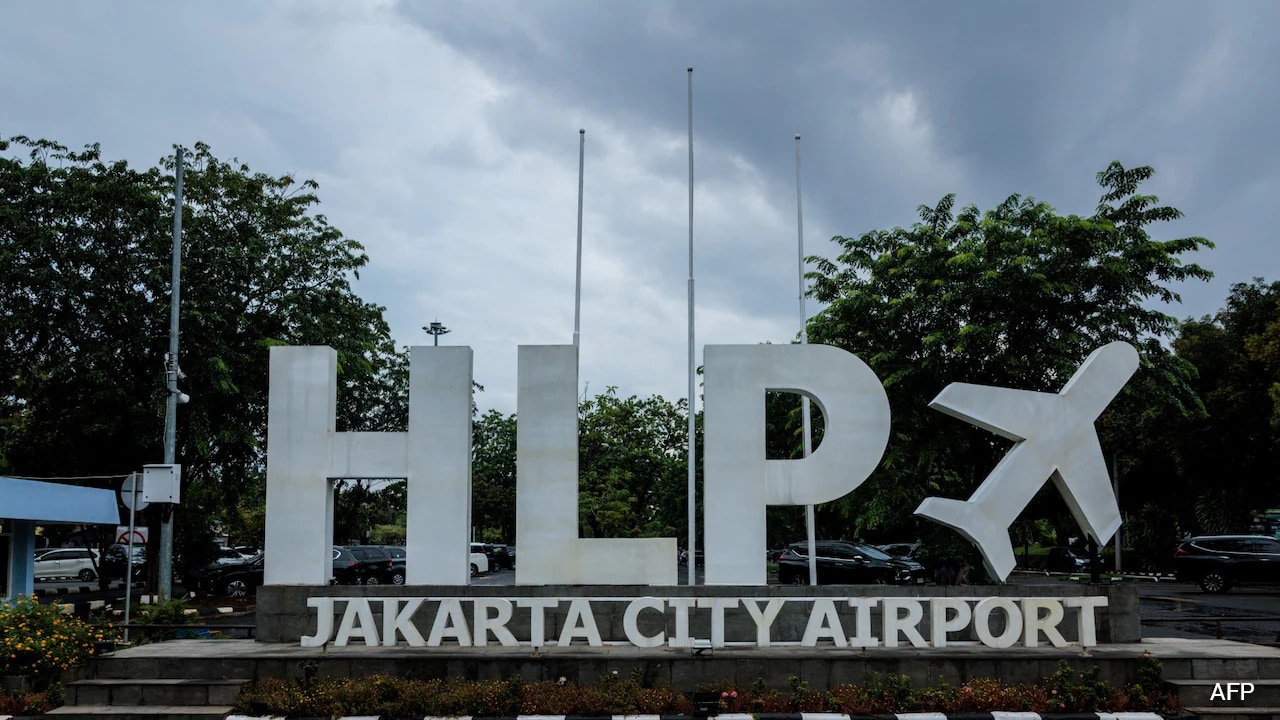
Jakarta's Soekarno-Hatta International Airport, alongside several surrounding air hubs, finally reopened early Tuesday morning after days of intense gridlock. Nearly 3,000 flights faced cancellations, delays, or reroutes, leaving upwards of 340,000 passengers stranded in terminal buildings and nearby hotels.
If you were caught in the chaos, you experienced firsthand how quickly an active geological hazard can fracture a tightly scheduled travel itinerary.
The Logistics Behind the Volcanic Grounding
Managing airspace safety during a volcanic eruption requires strict coordination between meteorological agencies, volcanologists, and airport operators. When Anak Krakatau blew on Saturday, monitoring networks detected heavy ash drift moving directly into commercial flight corridors.
Eight airports initially suspended operations over the weekend. Authorities extended these closures through Monday afternoon as satellite data tracked ongoing particulate spread.
Transport Minister Dudy Purwagandhi scrambled to reroute incoming aircraft, designating six alternative airports across Central and East Java to absorb incoming long-haul traffic. Officials deployed free shuttle buses to move stranded travelers away from choked Jakarta hubs toward functional regional gateways.
Immigration officials also adjusted rules to protect international visitors facing accidental visa overstays due to grounded fleets.
Surviving an Unexpected Travel Halt
Getting stuck mid-trip because of a natural disaster tests your patience. Airlines often get overwhelmed, leaving desk lines stretching for hours with zero immediate answers.
Here is what you actually need to do if you find yourself caught in a sudden aviation shutdown:
- Ditch the airport queue immediately. Standing in line behind thousands of stranded passengers wastes precious hours. Use your airline's mobile app or international call center to secure rebooking options while others wait for physical agents.
- Secure alternative accommodation fast. Local hotels near major hubs fill up within minutes of an announcement. Look for properties outside the immediate airport zone and rely on rideshare apps to get there before traffic locks down completely.
- Track regional airports. Major capital hubs take the longest to clear because of high traffic volume. Smaller regional airstrips often resume operations hours or days ahead of primary international gateways.
- Keep digital copies of your paperwork. Keep your flight confirmations, insurance details, and passport scans accessible offline. Power outlets become scarce commodities when thousands of people camp out in terminal concourses.
Living in the Shadow of Anak Krakatau
Anak Krakatau translates to the child of Krakatoa. The moniker carries heavy historical weight. The original Krakatau cataclysm in 1883 altered global weather patterns and triggered thousands of casualties.
The modern descendant sits quietly in the Sunda Strait between Java and Sumatra, waking up unpredictably. A catastrophic collapse of its cone triggered a deadly tsunami back in 2018, proving that aviation disruption is only one piece of a much larger hazard profile.
Geology agencies warn that the probability of secondary eruptions remains high. Incandescent rock ejections and unpredictable ash tracking mean airlines and travelers operating through Indonesian airspace must stay agile.
Check your carrier's operational status directly before heading to any terminal this week. Pack extra medication and keep flexible buffers in your travel budget for sudden weather or geological emergencies.