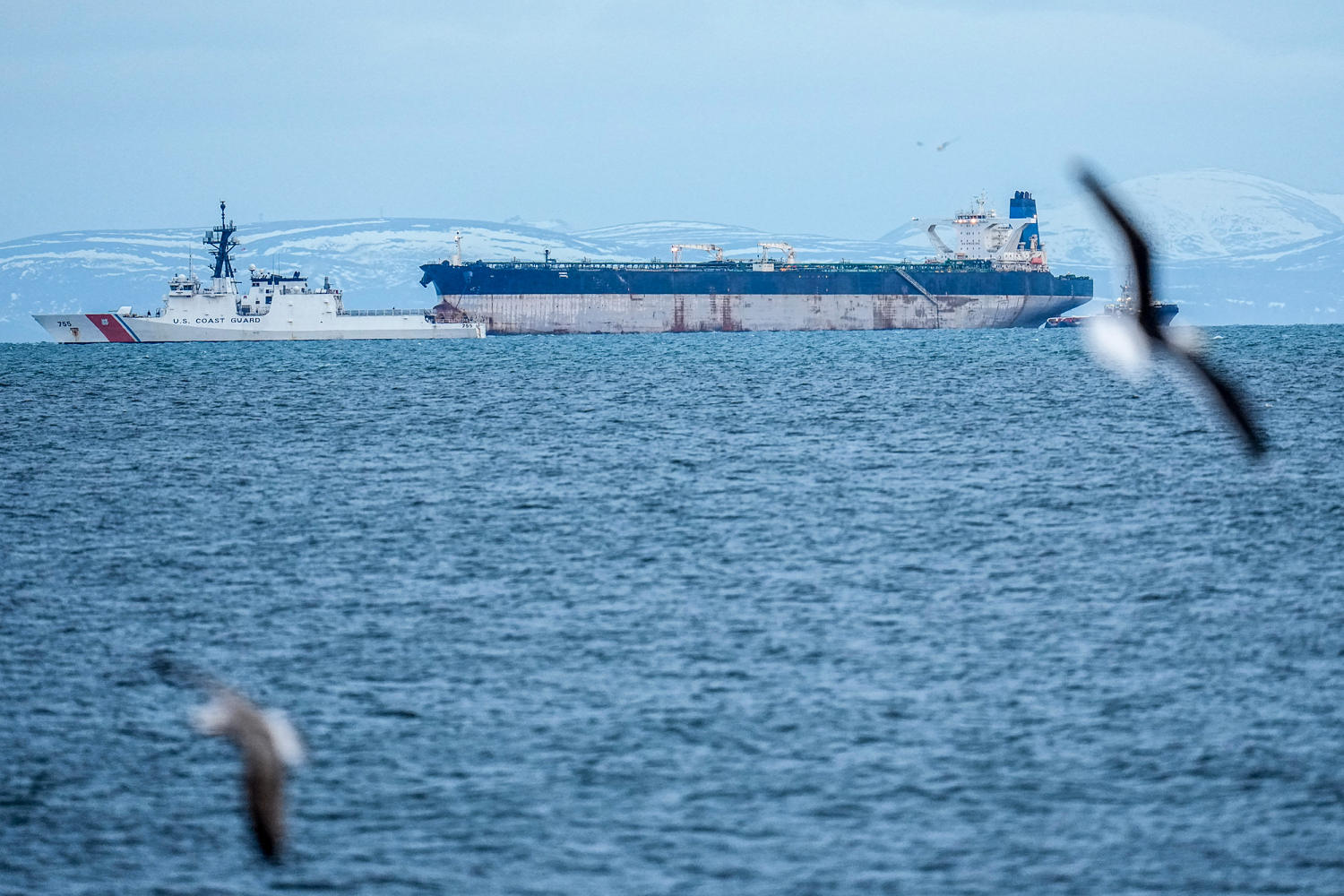
Imagine owning a massive ocean-going vessel worth tens of millions of dollars, watching federal authorities seize it over international sanctions, and then finding out the government sold your ship for scrap metal. That's not a hypothetical scenario from a maritime law textbook. It's the exact legal collision happening right now between the owners of a seized Russian oil tanker and the United States government.
When the U.S. Department of Justice seizes sanctioned assets, most people assume those vessels sit in a guarded port until a judge decides who gets the keys. Reality is much messier. Keeping a giant commercial tanker afloat, insured, and safe from environmental disaster costs taxpayers millions of dollars every single month, which is why federal marshals sometimes push for an early sale—and why the original owners are now crying foul in federal court.
Why the Owners Claim the US Acted Improperly
The core argument from the tanker's owners comes down to due process and property valuation. Under standard U.S. civil forfeiture rules, the government can ask a judge for an "interlocutory sale" before a final forfeiture verdict is reached. Prosecutors usually justify this by arguing the property is deteriorating, expensive to maintain, or losing value rapidly.
The owners aren't buying that explanation. From their perspective, selling a functional commercial oil tanker for its scrap metal value destroys the asset permanently before they've even had their full day in court to contest the underlying sanctions violations.
Think about the financial gap here. An operational crude carrier or product tanker trades on the open market based on its remaining lifespan, hull condition, and global freight rates. Scrap value, often calculated in light displacement tons (LDT) at shipbreaking yards, represents a fraction of a working vessel's market price. If the owners eventually win their legal challenge against the seizure, a pile of cash from a scrap auction won't replace an operational ship.
The Hidden Costs of Holding Seized Maritime Assets
To understand why the government moves toward liquidation, you have to look at the brutal economics of maritime custody. You can't just park an oil tanker like a seized sports car in an impound lot.
A large tanker requires a skeleton crew around the clock just to keep generators running, bilge pumps working, and fire suppression systems active. Without constant maintenance, seawater corrodes vital machinery within months. Insurance is another nightmare. Once a vessel is tied to Russian sanctions or flagged by the Office of Foreign Assets Control (OFAC), standard protection and indemnity (P&I) clubs drop coverage immediately.
That leaves the U.S. Marshals Service holding the bag for catastrophic liability. If an uninsured, poorly maintained tanker breaks its moorings during a storm or leaks residual fuel oil into a harbor, the cleanup bill hits nine figures fast. Congress actually passed legislation specifically allowing the DOJ to liquidate certain high-maintenance sanctioned assets—like superyachts and commercial vessels—precisely because taxpayers were bleeding cash keeping them docked.
Where the Legal Friction Actually Lies
Even when the law permits an interlocutory sale, the execution is where fights break out. Maritime lawyers who handle forfeiture cases point to three major flashpoints in these disputes:
- Sanctions stigma kills buyer demand. Legitimate shipping companies won't touch a tanker with a tainted compliance history because ports, insurers, and banks might blacklist the vessel even after a government auction.
- Valuation methodology disputes. Owners routinely bring in independent marine surveyors to argue the ship is seaworthy and valuable, while government appraisers emphasize deferred maintenance and expired safety certifications.
- Timing of the motion. Selling an asset while threshold jurisdictional challenges are still pending gives owners ammunition to claim the government is rushing to create irreversible facts on the ground.
Honestly, when a sanctioned ship can't get international safety certifications renewed because classification societies refuse to inspect it, its commercial value drops toward zero anyway. Scrap yards become the only buyers willing to take on a vessel that can no longer legally carry cargo across international waters.
How Sanctions Enforcement Collides With Maritime Law
This dispute highlights a massive tension in modern economic warfare. Since 2022, the U.S. and its allies have aggressively targeted Russia's shadow fleet and sanctioned shipping networks to choke off oil revenue. Seizing physical ships is one of the loudest ways to enforce those rules.
Yet U.S. forfeiture statutes were largely built around domestic crime—think drug trafficking, wire fraud, and money laundering—not geopolitical sanctions against state-linked maritime networks. Translating those rules to international shipping creates weird bottlenecks.
In an illustrative example of how these cases play out, a vessel detained in a U.S. port or allied territory might have shell company ownership stretching across Liberia, the Marshall Islands, Dubai, and Moscow. Untangling who actually controls the ship takes years of discovery. Meanwhile, the steel hull sits in saltwater, rusting every single day.
What Happens to the Money From a Scrap Sale
When a court approves an interlocutory sale, the proceeds don't vanish into the general treasury right away. Instead, the U.S. Marshals deposit the net funds—after deducting custody, docking, and auction expenses—into a dedicated holding account.
That money becomes the "substitute res," meaning the legal fight shifts from the physical ship to the bank account. If the government proves its forfeiture case, the funds can be forfeited permanently, and in certain Russian sanctions cases, redirected toward international aid funds authorized by Congress. If the owners prevail, they get the remaining cash from that account.
That's cold comfort if the maintenance bills ate up half the sale price before the auction even happened.
Why This Case Matters for Global Shipping
Whether you follow maritime law or just watch how economic sanctions work in practice, this fight sets an important precedent. If courts consistently side with the government on rapid scrap sales of sanctioned tankers, it sends a blunt message to shipowners operating in gray markets: getting caught doesn't just mean a temporary detention. It means your ship gets dismantled before your lawyers finish filing their opening briefs.
On the flip side, if the owners successfully argue that the U.S. improperly undervalued or prematurely scrapped the vessel, federal prosecutors will face much stricter judicial hurdles before liquidating seized commercial ships in the future.
If you're tracking this case or similar sanctions forfeitures, watch the federal docket for two specific filings: the independent marine survey reports submitted by both sides and the court's ruling on whether custody costs truly outweighed the vessel's market value. Those two documents will tell you immediately whether the government had a solid financial reason to scrap the tanker or if prosecutors simply wanted a quick exit from an expensive maritime headache.