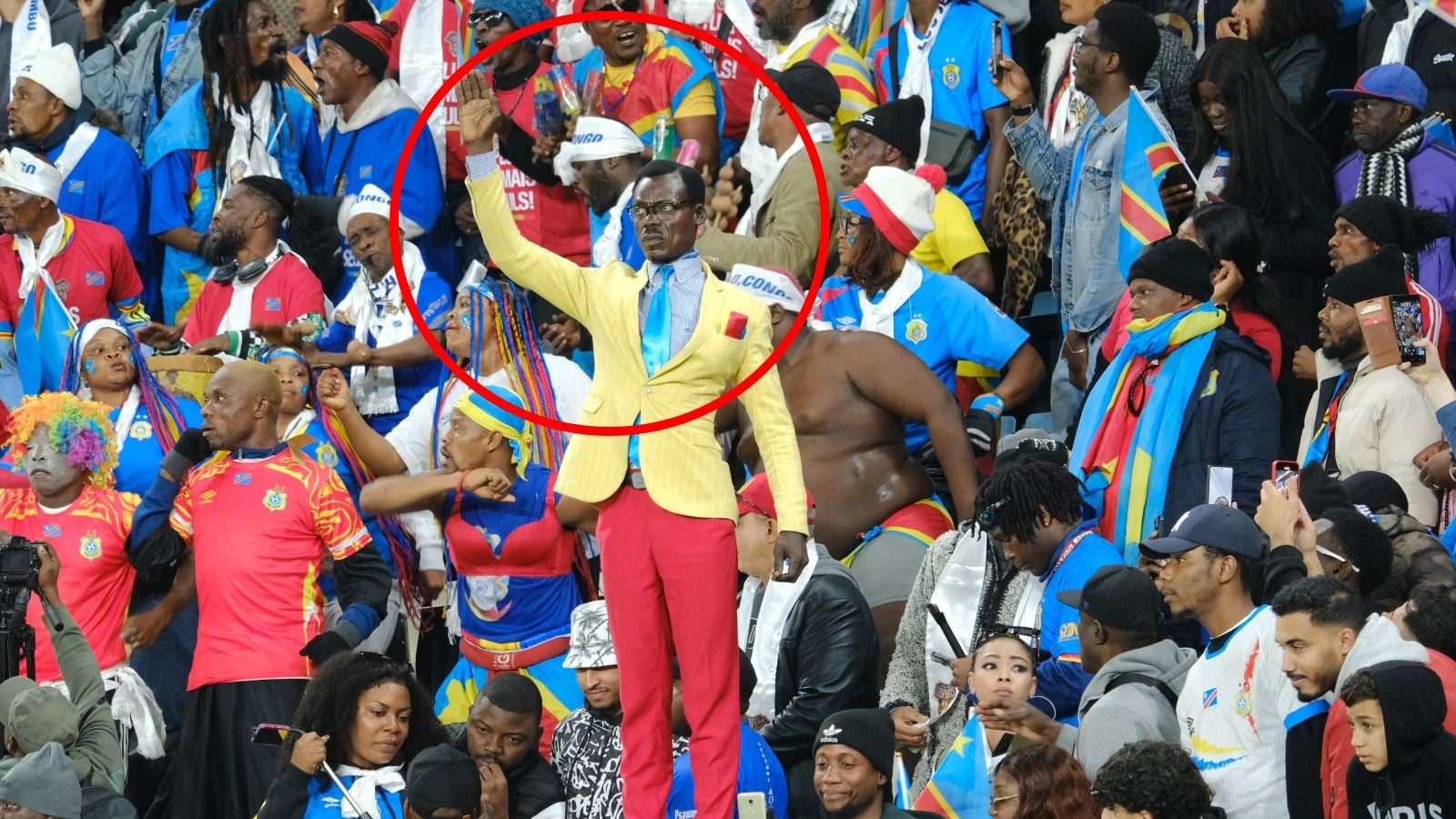
The mainstream sports media is currently suffocating under a wave of lazy, predictable euphoria. England scraped a comeback win against the Democratic Republic of Congo at the 2026 World Cup, Harry Kane scored twice, and the pundits are already polishing the trophy. They want you to believe this was a masterclass in resilience. They want you to buy into the narrative of a talismanic captain saving his nation.
It is a total illusion. If you liked this article, you should read: this related article.
If you actually analyze the tactical mechanics of that match instead of just staring at the scoresheet, you will realize that Kane’s brace masked a much deeper, more terminal systemic flaw. The reality is glaringly obvious to anyone who understands modern positional play: Harry Kane’s style of play is actively holding this English generation back from becoming a truly elite international side.
The Paper Tiger of a Paper Victory
The narrative surrounding the match is simple: England fell behind, showed grit, and their world-class striker delivered. It sounds beautiful. It makes for great back-page headlines. For another perspective on this story, refer to the recent coverage from Bleacher Report.
It is also tactical fiction.
For sixty minutes, the DR Congo mid-block completely choked England’s progression. Why? Because Harry Kane refuses to occupy central defenders. He dropped deep into the number ten space, occupying the exact same zones that Jude Bellingham and Phil Foden needed to exploit.
When a striker constantly drops deep without a lightning-fast winger making a penetrating diagonal run behind him, the entire attacking structure collapses. The opposition center-backs do not follow him; they simply sit tight, compress the space, and watch England pass sideways in a sterile U-shape.
Kane’s two goals came from a chaotic penalty scramble and a late transition moment when the opposition was completely fatigued. They were goals born of individual opportunism, not structural superiority. Relying on those moments against elite opposition later in the tournament is a mathematical suicide mission.
The Striker Paradox: Goals vs. Gravity
We need to address the fundamental misunderstanding of what a modern elite striker actually does. The public is obsessed with volume shooting. But elite coaches like Pep Guardiola or Mikel Arteta value structural gravity over mere poaching.
Look at Erling Haaland’s role at Manchester City or the way Karim Benzema used to create space for Real Madrid. A top-tier striker must pin the opposition backlines. By standing on the last shoulder of the defender, you force the entire defensive unit to drop five to ten yards deeper. This creates a massive ocean of space between the opposition’s midfield and defensive lines.
[Traditional Striker Gravity]
Opposition Defense <--- (Pinned Back) ---> Space for Midfielders

[The Kane Problem]
Opposition Defense --- (Sits Tight) --- Kane Drops Into Midfield Crowding Space
When Kane drops deep into that midfield pocket, he brings no gravity with him. The center-backs stay put. The space vanishes. Bellingham is forced to play with his back to goal. Foden is relegated to a touchline winger instead of an inverted creator. By trying to do everyone else's job, Kane makes it impossible for the most talented midfield in English history to do theirs.
I have watched data analysts warn about this specific spatial crowding for three tournament cycles. The English FA continues to ignore it because benching a national hero requires more political courage than they possess.
Dismantling the Myth of the Talisman
Go ahead and look at the PAA queries that pop up after every England game: Why does Harry Kane drop so deep? Is Kane England’s greatest ever striker?
The answers provided by television talking heads are always wrapped in protective sentimentality. "He does it to link the play," they say. "He’s a complete footballer."
Let's dismantle that premise brutally. He links the play because he lacks the elite physical burst required to separate from world-class defenders in the box anymore. At this stage of his career, dropping deep is a survival mechanism, not a tactical masterstroke.
Am I saying Kane is a bad player? Absolutely not. He is one of the most lethal finishers the game has ever seen inside the eighteen-yard box. But his insistence on being both the creator and the finisher ruins the team's tactical equilibrium.
The contrarian solution is as painful as it is necessary: England needs a functional focal point, not a wandering superstar.
The Risk of the Truth
The downside of this critique is obvious. If you bench a player who scores two goals in a World Cup match, and you lose the next round 1-0, the media will crucify you. The public cannot digest structural critique; they only understand outcomes.
Playing a profile like Ollie Watkins or Ivan Toney—strikers who will ruthlessly run the channels, stretch the pitch, and accept that they might only touch the ball twelve times a game—requires a stomach for short-term criticism. It requires prioritizing the collective efficiency of the eleven over the goal tally of the individual.
But international football is won by teams that control space, not teams that rely on their aging captain to bail them out against low-tier opposition. The DR Congo match wasn't a statement of intent. It was a final warning sign.
Stop celebrating the comeback. Start worrying about why the house was on fire in the first place.