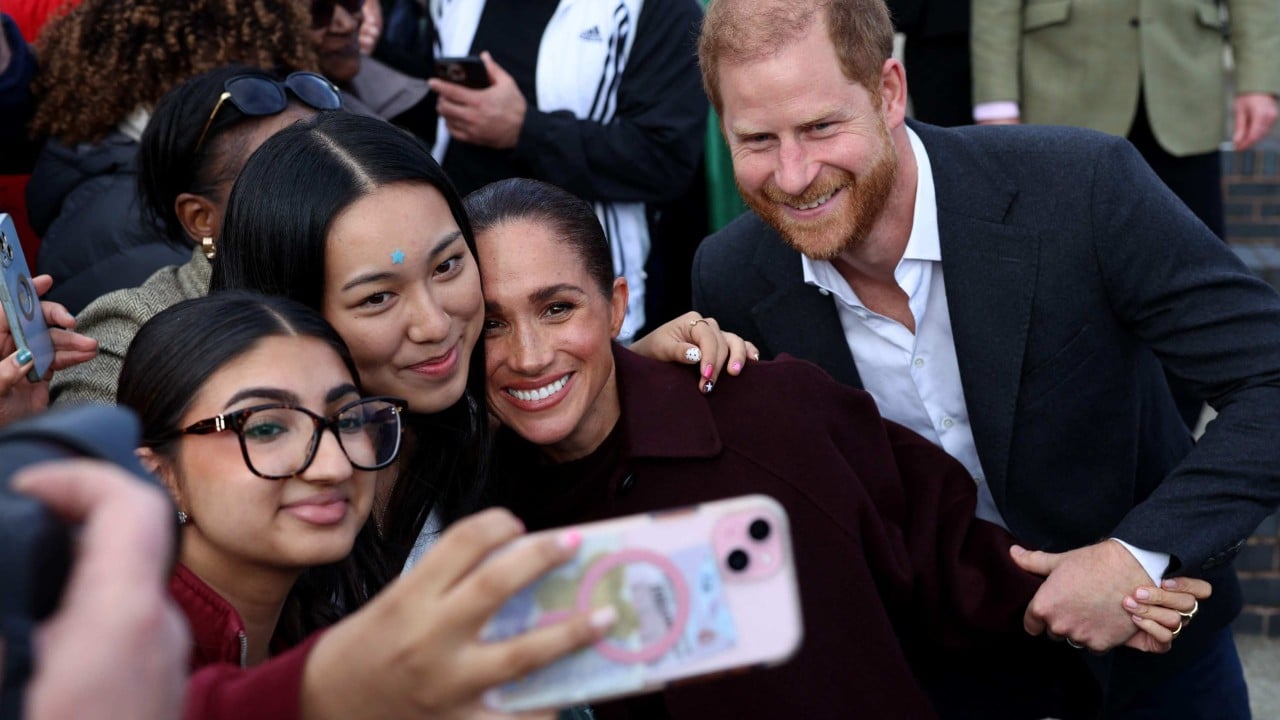
When Prince Harry and Meghan step out side by side on British soil after years of transatlantic distance, every camera lens in London turns into a magnifying glass. Yet a joint appearance in the U.K. is rarely just a photo opportunity or a sentimental homecoming. It is a calculated high-wire act over public legitimacy, security logistics, media framing, and brand survival.
Having covered royal tours, palace briefings, and celebrity public relations for decades, I have learned that the headline moment is almost never the real story. The real story sits in the negotiations that happen months before the cars pull up to the curb. It sits in who sets the terms of access, which charities or causes get the oxygen, and how both sides try to control a British press corps that treats every gesture as a coded message.
To understand why a joint return to Britain carries so much weight, you have to strip away the fairy-tale nostalgia and look at the mechanics of modern public power. A royal title still commands attention that money alone cannot buy, even outside the working institution. At the same time, operating as independent figures in North America creates a different set of pressures—ones tied to commercial relevance, donor confidence, and audience fatigue.
The Mechanics Behind a Transatlantic Return
A joint trip to the U.K. does not happen by accident. Long before anyone boards a flight, teams on both sides of the Atlantic weigh risk against reward. Security arrangements remain a central friction point, shaping where the couple goes, how long they stay, and how tightly their movements are choreographed. Every unannounced stop carries potential pitfalls. Every planned appearance carries a price tag in attention and scrutiny.
Consider a hypothetical example of how an advance team maps out a single day in London. Suppose planners want the couple to attend a charity roundtable and a brief public walk-by. Even a simple itinerary forces immediate trade-offs between intimacy and visibility. A closed-door event protects the conversation and reduces flashbulbs, yet it starves supporters and casual observers of a tangible moment. An open walk-by delivers high-impact visuals for television and social feeds, yet it exposes the event to protesters, hecklers, and aggressive angle-hunting by photographers.
That tension explains why joint appearances in Britain often feel tightly bounded. They are rarely marathon tours packed with regional stops. Instead, they tend to focus on specific causes, clear timelines, and controlled environments where the message can stay focused on the work rather than the feud.
- Logistics dictate visibility. Route planning, venue vetting, and arrival windows determine whether the public sees a fleeting wave or a sustained engagement.
- Cause alignment anchors the visit. Tying an appearance to veterans, youth initiatives, or philanthropy gives observers a concrete reason for the trip beyond personal drama.
- Timing shapes the news cycle. Dropping into the British calendar on a crowded day can blunt coverage, while picking a quieter window hands the front pages over to the couple.
Why Every Gesture Gets Over-Interpreted
In Britain, royal-adjacent optics operate like a Rorschach test. Where people stand, how quickly they smile, who offers a handshake, and which color palette they choose all get dissected within minutes. Most of the time, those details reflect mundane practicalities—a tight schedule, a rainy forecast, or a producer waving them toward a mark—rather than secret grievances or hidden olive branches.
Still, public figures who live inside a constant media storm know how the game is played. If you spend years fighting tabloid framing, you eventually stop pretending cameras are neutral observers. You dress for the wide shot. You pace your greetings. You keep your remarks crisp so they cannot be easily twisted out of context.
That awareness creates a strange paradox. The harder a public figure tries to look relaxed and spontaneous in front of British cameras, the more deliberate the moment can feel. Authenticity is notoriously difficult to stage on foreign turf where half the room already has its storyline written before the doors open.
The Battle Over Brand and Belonging
For years, commentators have treated the relationship between the couple and Britain as a zero-sum game. Either they are in, or they are out. Either they are mending fences, or they are burning bridges. Reality is messier than that binary.
Public standing is not a light switch. It is a dimmer switch that flickers depending on context, mood, and memory. A large slice of the British public remains skeptical, shaped by years of headlines, televised interviews, and memoir excerpts that alienated traditionalists. Another slice remains curious, sympathetic, or simply indifferent to palace politics.
Commercial Reality Meets Royal Heritage
Operating outside the traditional palace machine comes with a distinct business calculus. Independent public figures have to justify their relevance continuously. Without institutional backing, their platforms rely on sustained cultural traction, credible partnerships, and stories that resonate beyond nostalgia.
Returning to the U.K. together tests how that independence holds up under home-turf pressure. On one hand, standing in Britain reminds global audiences of their historic roots—the very roots that make them recognizable in boardrooms and broadcast studios far from London. On the other hand, stepping back into the British spotlight invites reminders of old friction that can overshadow newer projects.
| Factor | Home-Turf U.K. Appearance | Overseas Independent Platform |
|---|---|---|
| Media Environment | Intense scrutiny, sharp historical memory, fierce competition for angles | Broader lifestyle and entertainment mix, more varied tone |
| Symbolic Weight | High emotional and constitutional resonance | Higher flexibility to define personal and commercial identity |
| Operational Risk | Heightened security and protest flashpoints | Lower friction with local authorities, different visibility curve |
| Narrative Control | Harder to contain given entrenched storylines | Easier to package around chosen initiatives and media deals |
Neither setting guarantees smooth sailing. Overseas appearances can sometimes feel untethered from British history, leaving observers wondering what the long-term arc looks like. British appearances, by contrast, carry heavy emotional baggage that can crowd out whatever practical good the visit is meant to achieve.
The Gray Areas of Reconciliation
Whenever Prince Harry and Meghan appear together in Britain, speculation immediately pivots to family ties. Will there be a quiet meeting? Will a cold shoulder turn into a warm embrace? Will a joint step signal a thaw?
Veteran watchers know better than to treat a public event as proof of private harmony—or private hostility. Families are complicated even without crowns, titles, or global press corps. A polite wave at a public function does not erase years of hurt, and the absence of a public reunion does not prove that no private phone call ever happened.
Treating every public sighting as a referendum on family reconciliation misses the point. Public appearances are about public work, public image, and public boundaries. Conflating the two sets readers up for constant disappointment and false certainty.
What Observers Should Actually Watch
If you want to read a joint return to Britain like an insider rather than a gossip column, stop looking for secret signals in body language alone. Look at the structure of the visit instead.
Pay attention to who stands beside them, which organizations put their names behind the event, and how the coverage plays out forty-eight hours later. One-day splashes fade fast in a crowded news ecosystem. What lingers is whether the visit leaves behind tangible momentum for the causes involved—or whether the noise around the couple swallows the mission whole.
Watch how they handle the transition from arrival to departure. A disciplined schedule, clear priorities, and measured expectations tell you far more about their strategy than any breathless headline ever will. When Prince Harry and Meghan step onto British ground together, the real test is not whether everyone cheers or jeers at the curb, but whether they can hold the center of their own story without getting pulled backward into yesterday's script.