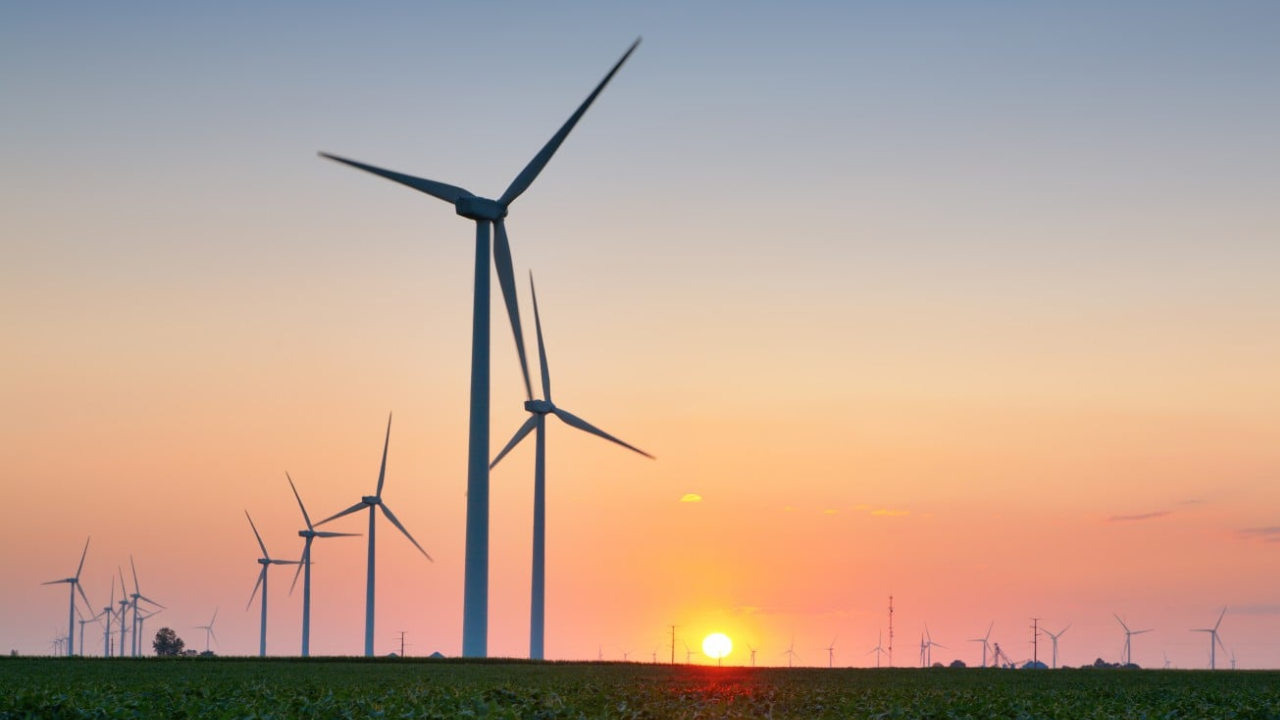
When an Oregon farming couple signed over slices of their acreage to host thirteen massive wind turbines, the agricultural community watched with a mixture of skepticism and envy. Conventional wisdom suggested that heavy industrial infrastructure would choke out traditional farming. Yet, the heavy iron towers went up, and the combines kept rolling. The crops continued right up to the concrete bases. On the surface, it looked like the ultimate rural compromise: steady lease checks from renewable energy developers paired with an uninterrupted harvest of grain and forage.
Beneath the surface story of coexistence, however, lies a more complex economic and operational reality that wind developers and agricultural land trusts rarely advertise in their glossy brochures. Incorporating utility-scale wind power into a working farm is not a passive revenue stream where checks arrive in the mail while tractors navigate unbothered around white fiberglass blades. It is a permanent operational reconfiguration. Farmers who lease their land for wind production trade short-term financial security for long-term complications involving soil compaction, drainage tile destruction, liability exposure, and shifting property valuations.
Understanding how agrivind systems actually function requires peeling back the public relations veneer of rural green energy. This deep dive examines the mechanics, the hidden costs, and the hard arithmetic of merging heavy power generation with food production.
The Financial Lure and the True Footprint
The primary driver for any landowner considering wind leases is cash flow. Commodity agriculture is notoriously volatile. Weather anomalies, supply chain disruptions, and fluctuating global market prices can wipe out seasonal margins overnight. A wind turbine lease offers a fixed, inflation-adjusted annual annuity that can span thirty years. For a generational family farm facing estate taxes or mounting equipment debt, that guaranteed baseline revenue acts as an economic anchor.
Each turbine installation requires a surprisingly small physical footprint. A typical modern 3-megawatt turbine utilizes roughly half an acre of actual ground space for its foundation pad, access road, and crane staging area. When developers claim that ninety-five percent of the land remains available for farming, they are technically correct. The crops do indeed grow right up to the gravel pads.
Yet footprint percentage is a deceptive metric. A farm is not a uniform two-dimensional plane; it is a complex, three-dimensional biological and hydrological system. While the turbine base might only occupy half an acre, the construction phase requires moving heavy machinery that weighs upwards of several hundred tons. Cranes, concrete mixers, and flatbed transport haulers compact the surrounding topsoil far beyond the immediate construction zone.
Soil compaction is an invisible tax on future yields. When heavy equipment crushes the soil architecture, pore spaces collapse, reducing water infiltration and root penetration. A farmer might still plant wheat or soybeans across the entire field, but the strip of land parallel to the access road or immediately adjacent to the crane pad often suffers from chronic yield depression for years after construction concludes. Tile drainage systems, which are essential for managing subsurface moisture in many agricultural regions, frequently get crushed or punctured by heavy transport vehicles. If a developer fails to properly map and restore these clay or plastic tile lines, the farmer is left dealing with unexpected waterlogging and drowning crops long after the construction crew has packed up and left.
Navigating the Legal and Operational Maze
Signing a wind lease agreement is a high-stakes legal marathon. Most farmers are experts in agronomy, animal husbandry, and machinery maintenance, but they are rarely commercial real estate attorneys or energy contract negotiators. Energy developers come armed with standardized, heavily one-sided agreements designed to protect corporate investors while shifting maximum liability onto the landowner.
One of the most contentious clauses in these contracts involves indemnification and liability. While the developer owns and operates the machinery, the farmer still owns the underlying real estate. If a turbine throws a blade fragment during an ice storm, suffers an oil leak from its nacelle, or experiences an electrical fire that sparks a brushfire across dry stubble, insurance disputes can quickly become catastrophic. Landowners must verify whether their personal farm liability policies cover commercial energy generation hazards, or if they need to force the developer to carry multi-million dollar umbrella policies naming the farmer as an additional insured party.
Another hidden friction point is operational interference. Modern farming relies heavily on precision agriculture. GPS-guided tractors, sprayers, and autonomous combines depend on clear satellite visibility and uninterrupted cellular or radio frequency signals. The presence of massive steel towers can cause telemetry interference or signal bounce, complicating automated field operations. Furthermore, aerial spraying—common in large-scale wheat, corn, and pulse production—becomes significantly more hazardous or outright impossible near turbine arrays. Crop dusters operating in gusty winds cannot safely maneuver around spinning blades and eighty-meter towers, forcing farmers to switch to ground-based application methods that take more time, burn more diesel, and cause additional soil compaction.
Decommissioning Realities and the End-of-Life Liability
The life expectancy of a commercial wind turbine is generally calculated at twenty-five to thirty years. What happens when the machinery reaches obsolescence or the developer goes bankrupt is an issue that many rural communities are only beginning to confront.
Older wind farms built in the early 2000s are now reaching their repowering or decommissioning phases. Dismantling a massive turbine requires specialized heavy equipment similar to the machinery used to build it. The concrete foundation—often hundreds of yards of reinforced steel and concrete buried several feet underground—must either be completely excavated or blasted and covered over. Fiberglass blades cannot be easily recycled and traditionally end up in specialized landfills, incurring massive transportation and disposal costs.
If a wind development company dissolves, merges, or experiences financial insolvency over a thirty-year timeline, the legal burden of cleanup can default to the landowner. Robust lease agreements must include mandatory, bonded decommissioning escrows where funds are held in trust specifically designated for land restoration. Without ironclad financial guarantees, a farmer could be left with rusted steel towers, shattered fiberglass, and contaminated soil long after the lease payments have stopped.
The True Balance Sheet of Rural Energy
Integrating industrial power generation with agriculture is neither a utopian environmental salvation story nor an unmitigated disaster. It is a complex business transaction that alters the risk profile of a family farm.
For the Oregon farming couple with thirteen turbines on their land, the steady revenue stream provided a buffer against agricultural volatility, allowing them to keep their heritage acreage intact through lean economic cycles. But that financial stability was secured by permanently altering their relationship with the soil, accepting heavy logistical hurdles during planting and harvest, and assuming long-term infrastructure liabilities that will outlive the current generation of operators.
Transitioning rural landscapes toward renewable energy requires more than just finding willing landowners and favorable wind resources. It demands transparent contracts, rigorous soil protection standards, and a clear-eyed recognition that industrial machinery and biological farming systems always exact a toll on one another. The wind may be free, but the cost of harvesting it on working farmland is paid in vigilance, engineering, and long-term stewardship.