The air inside a rocket telemetry bunker always smells faintly of stale coffee and ozone. For the engineers sitting in the dim glow of the monitors, the final seconds before ignition are not a celebration of human ingenuity. They are an exercise in terror.
Every launch is a brutal math problem, a violent negotiation with gravity. If you want to put a satellite into orbit, you have to carry the fuel to get it there. But fuel is heavy. So, you need more fuel to lift the fuel you just added. This is the tyranny of the rocket equation. It is a cosmic tax that engineers have been fighting since the days of Sputnik. For decades, the rules of this game were thought to be unyielding.
Then, a quiet breakthrough in a Chinese laboratory changed the math.
Scientists working with China’s aerospace program developed a new formulation—a dense, highly efficient hydrocarbon-based fuel. It is designed to replace the standard kerosene currently running through the veins of the Long March rocket family. The headlines reported the change with the sterile detachment of a press release: China’s new fuel could increase rocket payload by 10%.
Ten percent sounds like a modest corporate goal. It sounds like a quarterly sales target or an uptick in factory efficiency. But in the unforgiving physics of space travel, ten percent is an earthquake.
To understand why, we have to look at what it actually takes to leave this planet.
Imagine standing at the base of a Long March 5 rocket. It stands nearly twenty stories tall. It weighs roughly 850 metric tons when fully loaded. Now, look at the very tip, the nose cone. The actual cargo—the weather satellites, the deep-space probes, the modules for the Tiangong space station—makes up a minuscule fraction of that towering mass. The rest is just a massive, explosive gas tank.
When a rocket lifts off, it is essentially burning itself alive to throw a tiny pebble into the sky. If you can suddenly squeeze ten percent more weight into that nose cone without building a bigger rocket, you haven't just made a minor improvement. You have rewritten the economics of the sky.
Consider a hypothetical project manager named Liang. For years, Liang’s job has been defined by compromise. His team spends months designing a sophisticated environmental monitoring satellite. They want to add a backup radar system. They want to include extra shielding against solar radiation. But every gram matters. Liang has to sit in meeting rooms and tell brilliant engineers that their hard work cannot fly because the rocket simply cannot carry the extra weight.
With this new fuel, Liang’s conversation changes completely. That extra ten percent means the backup systems can go. It means heavier, more powerful lenses for imaging cameras. It means a satellite can carry more fuel for its own thrusters, extending its operational lifespan from five years to ten. The ghost of weight restrictions that haunts every aerospace engineer suddenly retreats.
The secret to this shift lies in molecular geometry. Standard rocket kerosene, known as RP-1, is a complex mixture of hydrocarbons. It works well, but it has limitations in density and energy output per unit of volume. By restructuring these molecular chains—essentially packing the carbon and hydrogen atoms closer together—Chinese chemists created a fuel that burns hotter and occupies less space.
Think of it like packing a suitcase for a long trip. Standard fuel is like throwing loose clothes into the bag; it fills the space quickly but leaves gaps. The new fuel is like vacuum-sealing those clothes. You get more material into the exact same volume.
This isn't just about pride or scientific curiosity. It is about a quiet, frantic race for the cislunar economy—the region of space between Earth and the Moon.
The nation that can loft heavier infrastructure into orbit for less money will inevitably dictate the rules of that frontier. Lowering the cost per kilogram to orbit changes who can participate and what can be built. Mega-constellations of communications satellites become cheaper to deploy. Heavy cargo runs to lunar orbit become routine rather than historic events.
But the transition from a laboratory breakthrough to a flaming torrent of thrust on a launchpad is a terrifying journey.
Liquid oxygen and kerosene engines are highly finicky beasts. They operate at pressures and temperatures that test the absolute limits of metallurgy. Altering the density and burn characteristics of the fuel means the entire plumbing system of the rocket must be re-evaluated. The turbopumps, which spin at tens of thousands of revolutions per minute to force fuel into the combustion chamber, must handle a different viscosity. A fraction of a second of uneven burning can turn a multi-million-dollar vehicle into a spectacular fireball over the Pacific.
The engineers pushing this new fuel forward know the risks. They know that in aerospace, the line between genius and catastrophe is incredibly thin. They are willing to walk that line because the rewards are too immense to ignore.
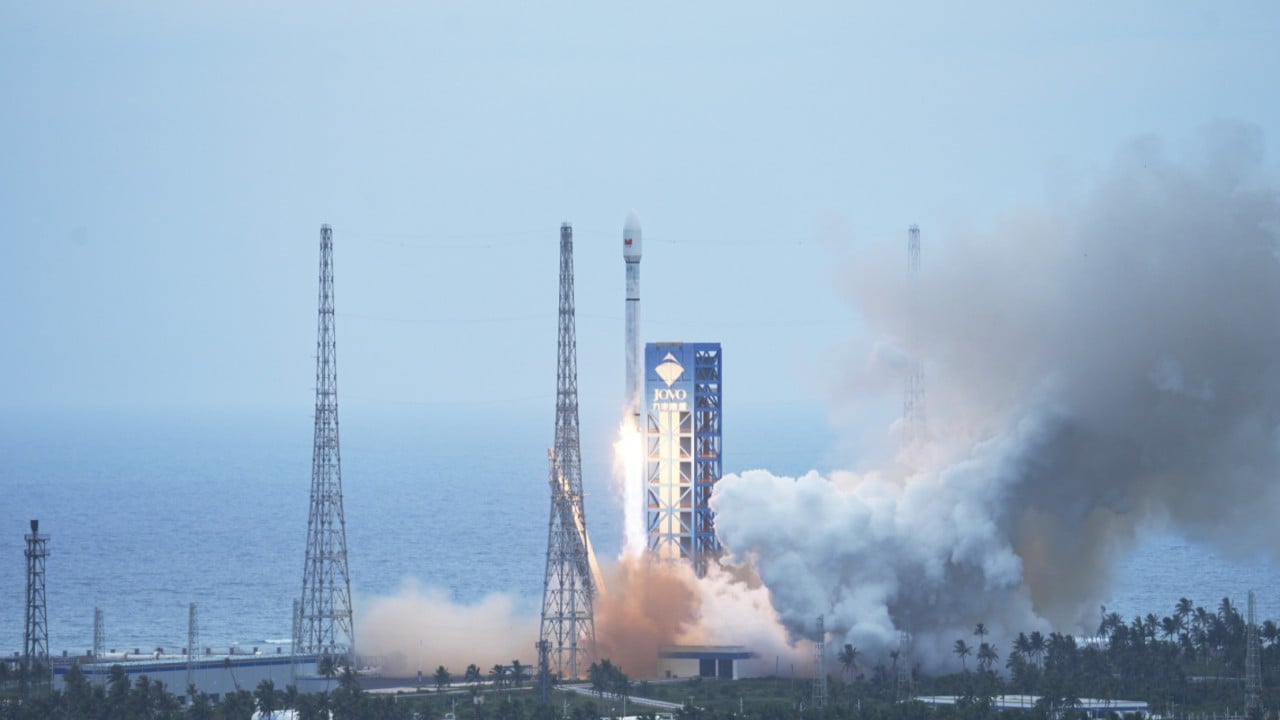
The next time a Long March rocket clears the tower in Hainan, the casual observer will see the same blinding flash, the same rolling thunder that has accompanied launches for generations. But beneath the smoke, the physics will be different. The machine will be gripping the air with a tighter, more efficient fist, carrying a heavier piece of the future into the dark.
Gravity hasn't changed. But humanity's leverage against it just did.