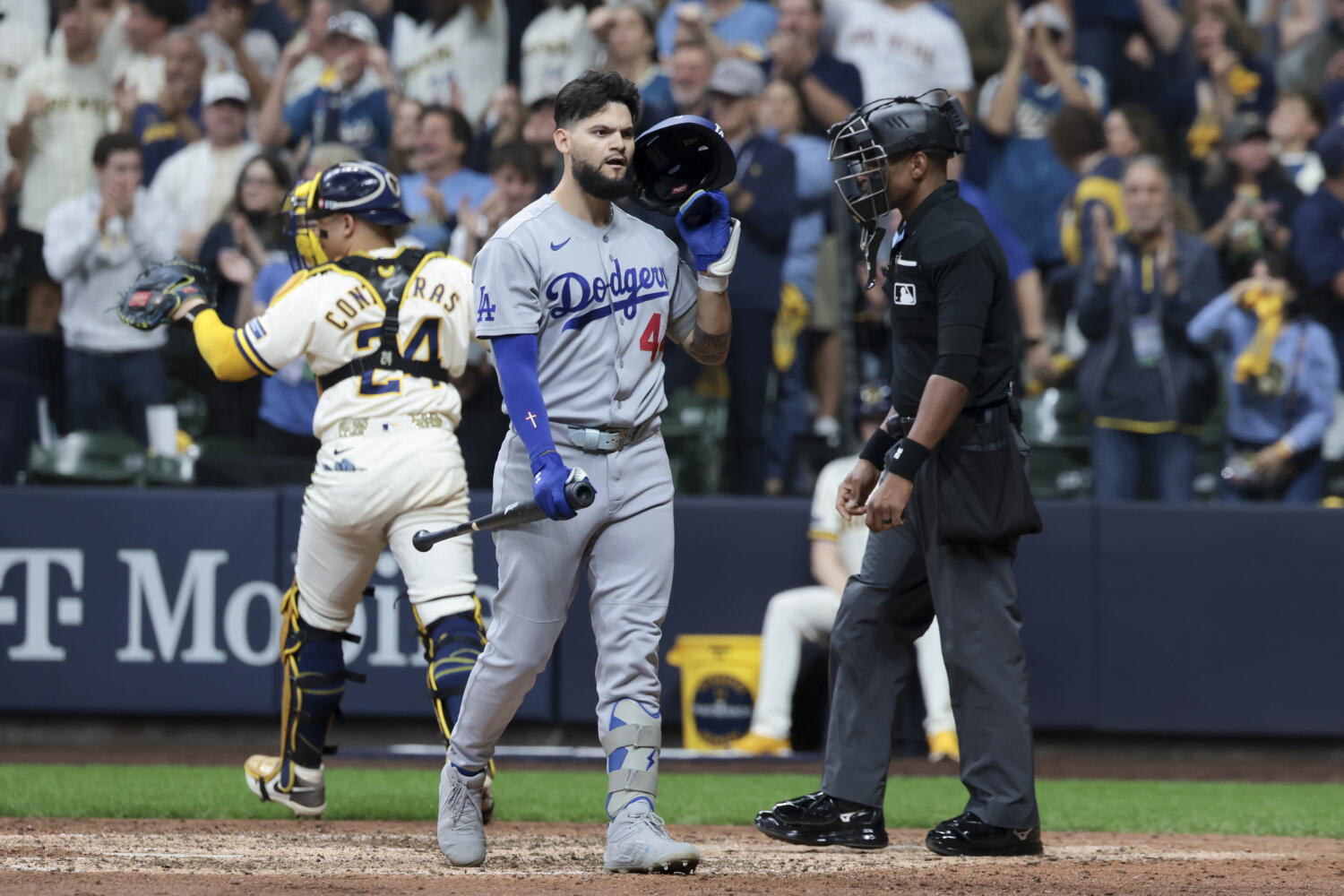
Silence. That is the first thing you notice when a rally dies on a warning track in October.
You hear the thud of leather against warning-track dirt, the faint murmur of seventy thousand people holding their collective breath, and then the flat, hollow echo of an inning ending without a single scratch across home plate. All that power, all that bat speed, all that astronomical payroll—and not one runner moved ninety feet on a ground ball to the right side.
I have sat in enough late-inning stands and stared at enough cold box scores to know the particular ache of watching a lineup built like a heavy artillery battery run out of gunpowder against a sharp, economical pitcher. Your eyes scan the left-on-base column. Four. Seven. Nine. Meanwhile, a runner stands on second base with nobody out, and the hitter steps into the box with a swing geared exclusively for the bleachers, chasing a twelve-run homer when a single, a bunt, or a simple slap the other way would bring the tying run home.
Let me be honest right up front: I do not have a secret ledger from the Dodgers front office, nor do I pretend to know every internal meeting behind closed doors in Chavez Ravine. What I know comes from years of watching baseball unfold in real time—feeling the tension rise in the seventh inning when a starter tires, smelling the stale beer and roasted peanuts in the upper deck while a rally stalls, and wondering why a team dripping with superstar talent so often treats a base hit the way a miser treats pennies.
Is there a rule in the baseball rulebook that forbids the Los Angeles Dodgers from playing small ball? Of course not. Nobody is handing out fines in the dugout for laying down a sacrifice bunt, advancing a runner on a chopper to second, stealing a bag when the catcher's release lags, or taking a pitch with two strikes just to keep a line moving.
Yet watch enough games across a long summer and into the crisp chill of autumn, and you begin to feel an unwritten code humming beneath the surface. Swing hard. Pull the ball in the air. Live with the strikeouts. Trust the launch angle. Trust the slugging percentage. Trust the math that says big blasts win over a hundred and sixty-two games.
That math has a name, and it has reshaped the entire sport over the past decade.
How Launch Angle Changed the Sound of the Game
Twenty years ago, the sound of a good at-bat was a sharp, stinging crack followed by a runner sprinting hard out of the box toward first base, eyes locked on the third-base coach's hand spinning in the air. Today, too often, the sound is a loud thwack that dies high in the breeze, followed by a slow jog back toward the dugout and a number added to the strikeout column.
Baseball's analytical revolution did not happen by accident. Front offices studied millions of pitches, tracked exit velocities to the tenth of a mile per hour, and mapped optimal launch angles until hitting became a science of loft and force. When your roster features some of the most dangerous hitters in the game—batters capable of turning a mistake pitch into a four-hundred-foot souvenir in the blink of an eye—telling them to choke up or tap a ball gently into the dirt can feel like asking a racehorse to trot through a parking lot.
Consider this metaphor: imagine owning a fleet of Formula One cars and being told to drive them carefully through school zones. You built those engines for top speed. You poured millions into aerodynamics, suspension, and raw horsepower. Every instinct screams to open the throttle. Yet when traffic bottlenecks ahead of you, flooring the gas pedal does not get you through the intersection any faster—it just burns fuel and risks a crash.
In baseball, traffic is a runner on second with zero outs, or a runner on first with a shift-beating gap wide open on the right side, or a bullpen arm throwing ninety-nine miles per hour with electric command where one manufactured run might decide the entire night.
When an offense becomes addicted to the big swing, small opportunities start looking invisible. A ground ball to the right side with a runner on second and no one out is not a failure of power; it is a gift of geography. You move the runner to third with one out. Suddenly, a shallow fly ball scores him. A wild pitch scores him. A passed ball scores him. A grounder through a drawn-in infield scores him. You put pressure on the pitcher's grip, the catcher's posture, and the infielder's nerves.
Skip that step in pursuit of a three-run blast, and you gamble everything on a single swing. Sometimes the ball clears the wall, the stadium erupts, and the analytics crowd nods in quiet satisfaction. Other times, the hitter pops up to shortstop, the next man strikes out looking at a back-door slider, and the inning ends with a runner stranded ninety feet short of hope.
The Invisible Stakes Behind Every At-Bat
To make the human cost of this approach concrete, let us step into a hypothetical scenario—clearly labeled as such, because this is a composite portrait rather than a real person's private diary.
Picture a hypothetical third-base coach named Danny in the bottom of the eighth inning of a tight playoff game. The score is tied. A fast runner stands on second base with nobody out. Danny looks down the line at the batter—a slugger making tens of millions of dollars a year, a man whose highlight reel is built on towering home runs. Danny's job is to read the game's pulse, to feel the momentum shifting like wind across the grass. In his gut, Danny knows a simple advancement—putting the ball on the ground to the right side, or even dropping down a surprise bunt toward a shifting third baseman—turns a coin flip into a high-percentage scoring chance.
Yet Danny hesitates. He knows how modern baseball evaluates risk. He knows the spreadsheet models that frown on giving away outs. He knows the pressure a manager faces when second-guessing comes from every angle, and he knows how easily a hitter's pride can bruise if you ask him to play small when his identity is built on going yard.
So Danny gives the green light to swing away. The pitch comes in—high, fast, tough to lift. The swing is big, violent, hopeful. Foul tip. Strike one. Another pitch, slightly off the plate. Foul ball. Two strikes. Now the hitter is defending rather than attacking, chasing a breaking ball in the dirt. Strike three.
The runner on second never moves. The dugout grows quiet. Danny stands in his coaching box, hands on his hips, feeling that familiar knot in his stomach—not because anyone broke a rule, but because the game slipped through a crack that nobody bothered to seal.
That is the invisible stake in modern baseball. It is not just about runs scored or win probability shifted by four percentage points. It is about rhythm, confidence, and psychological weight. When a team manufactures a run—when a hitter battles through a nine-pitch at-bat to foul off tough heaters, then pokes a single through a hole, then a teammate bunts him over, then a sacrifice fly brings him home—something shifts inside both dugouts. The opposing pitcher feels the squeeze. The infielders start pressing. The crowd rises with every single ninety-foot increment instead of waiting passively for fireworks.
Conversely, when a high-powered lineup relies almost exclusively on thunderbolts, dry spells feel colder. When the long ball goes quiet for two or three games against sharp pitching, frustration creeps in. Hitters start pressing harder. Uppercuts get longer. Swings get bigger. Trying to force a home run out of a slump is like trying to squeeze water from a stone; the harder you grip, the more it slips away.
Why Small Ball Still Belongs in a Power Era
There is a lazy caricature in sports debate that pits "small ball" against "power baseball" as if they were rival religions that cannot share the same sanctuary.
Small ball is not outdated. Small ball is not weak. Small ball is simply situational craft.
Think about the word itself: situational. A good hitter does not swing the same way with the bases empty in the second inning as with a runner on third and one out in the ninth. At least, a complete hitter shouldn't. Situational hitting means reading the scoreboard, reading the pitcher's command, reading the defensive alignment, and asking a simple, honest question: What does this exact moment require?
Sometimes the moment requires a four-hundred-foot rocket over the center-field wall. Nobody complains when a slugger crushes a hanger into the pavilion. Power is thrilling. Power is awe-inspiring. Power is why fans show up early for batting practice just to watch balls sail into the seats.
Other times, the moment requires discipline, nuance, and humility. It requires taking a walk when the pitcher is wild. It requires hitting behind the runner instead of pulling every ball into a waiting glove. It requires stealing a base in the seventh inning when a single might not come easily against a dominant setup man. It requires executing a bunt or a hit-and-run when a single run breaks the back of a tight game.
Let me admit something that might surprise die-hard purists on either side of this argument: judging small ball purely by whether a bunt works or whether a hit-and-run connects is just as simplistic as judging power purely by home runs. Sometimes you put a runner in motion and the batter swings through a pitch high and outside, leaving the runner hanging out to dry at second base. Sometimes you bunt toward a charging corner infielder and pop it up. Execution matters. Timing matters. Personnel matters.
A team loaded with elite power hitters has a higher bar for giving away outs than a light-hitting team desperate for crumbs. That is fair. You do not ask a generational masher to bunt every time he steps into the box just to prove you remember the 1980s. If a hitter has a thirty percent chance of leaving the yard and a fifty percent chance of driving a ball into the gap, letting him swing is smart baseball most of the time.
Most of the time. Not all of the time.
The danger lies in treating a guideline as an absolute law. When a team becomes so dogmatically committed to power and patience—waiting on walks and three-run homers while letting runners sit idle on the basepaths—it gives up versatile weapons that could rescue games when the wind blows in or the ace is on the mound.
A Tale of Two Approaches When October Air Turns Crisp
Regular-season baseball is a marathon where averages eventually assert themselves. Over one hundred and sixty-two games, a lineup with overwhelming slugging and on-base skill will overwhelm a lot of pitching. Bad nights get smoothed out by tomorrow's game. A zero-for-four in May is forgotten by June.
Postseason baseball is different. October compresses time. Every pitch feels heavier. Managers shorten benches, stretch starters, and ride their best relievers every single night. Good pitching gets even better because teams face top arms repeatedly, and swing-and-miss stuff plays up when hitters are trying to do too much.
In those tight, low-scoring October battles, one run often feels like three. A single stolen base can flip a bullpen decision. A timely sacrifice or a sharp ground ball to the right side can turn a tense stalemate into a lead that forces the opposing manager to burn his best high-leverage reliever an inning early.
I have watched powerhouse teams with staggering offensive resumes run headlong into postseason walls because their offense was all-or-nothing. When the all happened, it was glorious—five runs in an inning, fireworks, crooked numbers on the board. When the nothing happened, it was suffocating—four hits across nine innings, twelve strikeouts, runners stranded in scoring position inning after inning because nobody adjusted their approach when the umpire's zone expanded or the opposing starter began living on the corners.
Why does that happen? Because habits formed over six months do not magically vanish in October. If a lineup spends an entire summer training its eyes and swings for maximum damage on every pitch, asking hitters to suddenly shorten up, go the other way, or manufacture a run under maximum pressure is like asking someone who has lifted heavy weights all year to suddenly thread a needle while sprinting.
It takes practice. It takes buy-in. It takes a clubhouse culture where moving a runner ninety feet is celebrated almost as loudly as clearing the fence.
The Courage to Be Unpredictable
There is something quietly intoxicating about a team that refuses to be predictable.
Imagine standing on the pitching mound in the seventh inning of a one-run game. You have spent months studying scouting reports on a fearsome lineup. You know who loves the fastball up. You know who chases sliders down and away. You expect big swings, deep counts, and loud contact.
Now put a fast runner on first with nobody out. You glance over your shoulder, feeling that subtle shift in tension. Is the batter going to swing away? Is a bunt coming? Is there a hit-and-run on? Suddenly, your delivery feels a fraction slower. Your eyes dart toward first base. Your focus splits between the hitter's hands and the runner's lead.
Even the possibility of small ball alters the geometry of the game. A defense that knows you will never bunt or run can play deeper, shade shifts more aggressively, and let pitchers pound the strike zone with less fear of a manufactured rally. A defense that respects your willingness to play small has to stay honest—and honest defenses make mistakes.
That is the real argument for small ball in the modern game. It is not nostalgia for nostalgia's sake. It is unpredictability. It is refusing to let an opponent know your exact script before the first pitch is thrown.
When the Dodgers—or any star-studded club built around heavy hitting—blend their thunder with occasional, well-timed small ball, they become nearly impossible to defend. You have to worry about the ball leaving the yard in any count, and you have to worry about a runner advancing quietly while your back is turned. That combination forces pitchers into corners they do not want to inhabit.
What We Actually Miss When the Ball Leaves the Yard
Sometimes, when a towering home run sails into the night sky and the crowd roars, we forget what we traded to see it.
We traded the quiet drama of the stolen base attempt, where a runner's spikes kick up a cloud of white chalk and a split-second slide beats a crisp throw to the bag. We traded the tension of a squeeze play or a push bunt, where everyone in the ballpark knows something is happening and holds their breath waiting to see who blinks first. We traded the craft of the poked single through a vacated hole, a reminder that hitting a round ball with a round bat is still an act of art and spatial awareness, not just brute force.
None of those moments require lowering the standards of greatness. Greatness in baseball has always had room for both thunder and touch. The game is richest when a lineup can beat you with a four-hundred-and-twenty-foot blast in the third inning and beat you with a ninety-foot hustle play in the eighth.
There is no law written in ink on the pages of baseball history that says a team loaded with superstars cannot play small ball. The only law is the one a team imposes on itself when it forgets that winning a ballgame is about crossing home plate one more time than the other guy—no matter how you get there.
Picture a runner standing on second base in a tie game late at night, the stadium lights buzzing high overhead, the infield dirt raked smooth and dark. One swing could send the ball into the clouds, or one quiet, decisive step forward could bring the winning run home on a simple ground ball—and as the runner takes his lead off the bag, leaning toward the next base with eyes locked on the pitcher's glove, the whole ballpark leans forward with him.