The modern appliance is designed to die. When a three-year-old washing machine stops spinning or a premium pair of headphones goes silent, the corporate script dictates a predictable sequence: diagnose a failed proprietary chip, quote a repair fee that exceeds the cost of a new unit, and steer the consumer toward the showroom floor. It is a highly profitable cycle of artificial obsolescence. However, a decentralized, volunteer-led counteroffensive is quietly disrupting this multi-billion-dollar disposal economy.
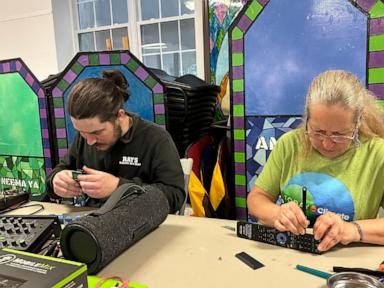
Every weekend, thousands of citizens carry dead electronics, torn clothing, and fractured furniture into church basements, public libraries, and community centers. These are Repair Cafes. They are not businesses, nor are they traditional charities. Instead, they operate as free, pop-up clinics where skilled hobbyists and retired engineers donate their labor to fix broken consumer goods.
While mainstream coverage frequently frames these gatherings as quaint, feel-good neighborhood hobbies, that perspective misses the real story. Repair Cafes are actually frontline battlegrounds in a high-stakes economic and legal war over property rights, resource extraction, and the right to repair.
The Economics of Engineered Failure
Manufacturers have spent decades perfecting the art of the unfixable product. This is not a conspiracy theory; it is standard financial engineering.
To maximize shareholder value, companies must shorten the replacement cycle. They achieve this through specific design choices. Glue replaces screws. Components are soldered directly to mainboards, ensuring that a single failure requires replacing the entire system. Specialized, proprietary security screws prevent owners from even opening the casing without specialized tools that manufacturers refuse to sell to the public.
Consider a common household scenario. A consumer purchases a $100 coffee maker. After fourteen months, a simple thermal fuse worth fifty cents blows out. The manufacturer does not sell replacement fuses, nor do they provide schematics to independent repair shops. If the consumer calls customer support, they are offered a 15% discount coupon for the next model.
The math is brutal. The system rewards waste. By controlling the supply chain of spare parts and withholding diagnostic documentation, corporations have successfully priced traditional independent repair shops out of the market. Repair Cafes are the direct systemic response to this market failure. They intervene precisely where the traditional market refuses to operate, providing free diagnostic expertise to bypass artificial cost barriers.
Inside the Basement Lab
The atmosphere inside an active Repair Cafe resembles a triage unit. Volunteers, often referred to as repair fixers, sit at tables littered with soldering irons, multimeters, and specialized driver sets.
The intake process is straightforward but radical. The owner of the broken item cannot simply drop it off and walk away. They must sit with the fixer, watch the disassembly, and actively participate in the diagnostic process. This structural requirement shifts the dynamic from a passive commercial transaction to an educational intervention.
[Intake & Safety Screening]
          │
          ▼
[Diagnostic Testing with Fixer] ──► (Identify component failure)
          │
          ▼
[Collaborative Repair Attempt] ──► (Soldering, sewing, 3D printing)
          │
          ▼
[Safety Testing & Reassembly]
The range of fixes is broad, spanning several eras of manufacturing. On any given day, a volunteer might handle:
- Mechanical structural failures: Stripped gears in kitchen mixers, cracked plastic hinges on vacuum cleaners, or broken zippers on winter coats.
- Electrical component degradation: Degraded capacitors in flat-screen monitors, frayed power cords on power tools, or dead lithium-ion batteries sealed inside electric toothbrushes.
- Digital lockouts: Smart home devices rendered useless by firmware updates or proprietary software glitches.
When a volunteer encounters a custom plastic bracket that snapped off a ten-year-old food processor, traditional supply chains offer no remedy. The part has been out of production for a decade. Here, fixers often turn to desktop 3D printers, fabricating a replacement part from scratch in twenty minutes. This represents a complete subversion of industrial manufacturing timelines.
The Legal and Corporate Backlash
As the volunteer repair movement gains mainstream traction, it is running directly into a wall of corporate legal resistance. Manufacturers are not watching this erosion of their aftermarket monopolies without a fight.
The primary corporate weapon is the abuse of intellectual property laws. Major technology conglomerates routinely use the Digital Millennium Copyright Act to restrict access to the diagnostic software required to reset a device after a physical repair. Under these legal frameworks, bypassing a digital lock to fix a tractor, a smartphone, or even a smart refrigerator can be framed as an act of copyright infringement.
Furthermore, companies weaponize liability concerns to deter volunteer networks. Corporate lobbying groups frequently argue that unauthorized repairs pose severe safety risks, claiming that self-repaired lithium-ion batteries could explode or poorly mended appliances could cause house fires.
The reality on the ground contradicts these warnings. Repair Cafes implement strict safety protocols, including mandatory PAT testing for electrical items before they leave the building. The actual risk remains low, while the environmental risk of throwing millions of tons of heavy metals into landfills remains guaranteed.
The Limits of Volunteerism
It is easy to romanticize the Repair Cafe model, but a clear-eyed analysis reveals significant operational bottlenecks. This movement cannot scale infinitely on goodwill alone.
Volunteers face massive logistical hurdles. Because manufacturers refuse to release official service manuals, fixers must rely on crowd-sourced databases like iFixit or trade obscure tips on internet forums. Finding an obscure component often requires scavenging parts from other broken machines, turning these cafes into ad-hoc recycling depots.
┌────────────────────────────────────────────────────────┐
│             THE LIMITS OF VOLUNTEER REPAIR             │
├───────────────────────────┬────────────────────────────┤
│ Operational Strength      │ Systemic Vulnerability     │
├───────────────────────────┼────────────────────────────┤
│ Zero cost to consumer     │ Total reliance on unpaid   │
│                           │ labor pools                │
├───────────────────────────┼────────────────────────────┤
│ High community engagement │ No legal protection from   │
│                           │ manufacturer lawsuits      │
├───────────────────────────┼────────────────────────────┤
│ Deep collective technical │ Critical shortage of young │
│ knowledge                 │ technicians entering field │
└───────────────────────────┴────────────────────────────┘
The demographics of expertise present another challenge. A significant percentage of master fixers are retired industrial engineers, machinists, and electronics technicians who cut their teeth in an era when things were built to be opened. As this generation ages out, the movement faces a talent pipeline problem. Modern educational systems emphasize software engineering over mechanical and hardware repair, leaving a shrinking pool of citizens who understand how to read a circuit diagram or use an oscilloscope.
Legislative Frontlines and the Future of Ownership
The grassroots momentum generated by community repair initiatives has fueled a broader political push: the Right to Repair movement. This legislative campaign seeks to force manufacturers to sell genuine parts, release diagnostic tools, and provide service manuals to the general public.
Progress is uneven. While several jurisdictions have passed initial Right to Repair bills targeting specific sectors like consumer electronics or agricultural equipment, these laws are frequently weakened by corporate carve-outs. Lobbyists regularly secure exemptions for medical devices, enterprise computing systems, and proprietary safety mechanisms.
The core issue extends far beyond saving a few dollars on a household appliance. It centers on the legal definition of ownership. When a consumer buys a product, do they truly own it, or are they merely purchasing a temporary license to use it until the manufacturer decides its operational lifespan has ended?
By treating broken possessions as fixable objects rather than inevitable garbage, these community spaces challenge the fundamental logic of continuous consumer consumption. The simple act of replacing a blown capacitor in a television becomes a quiet, stubborn refusal to participate in a broken economic system.



-annual-meeting.jpeg?width=1200&auto=webp&trim=0%2C0%2C0%2C0)