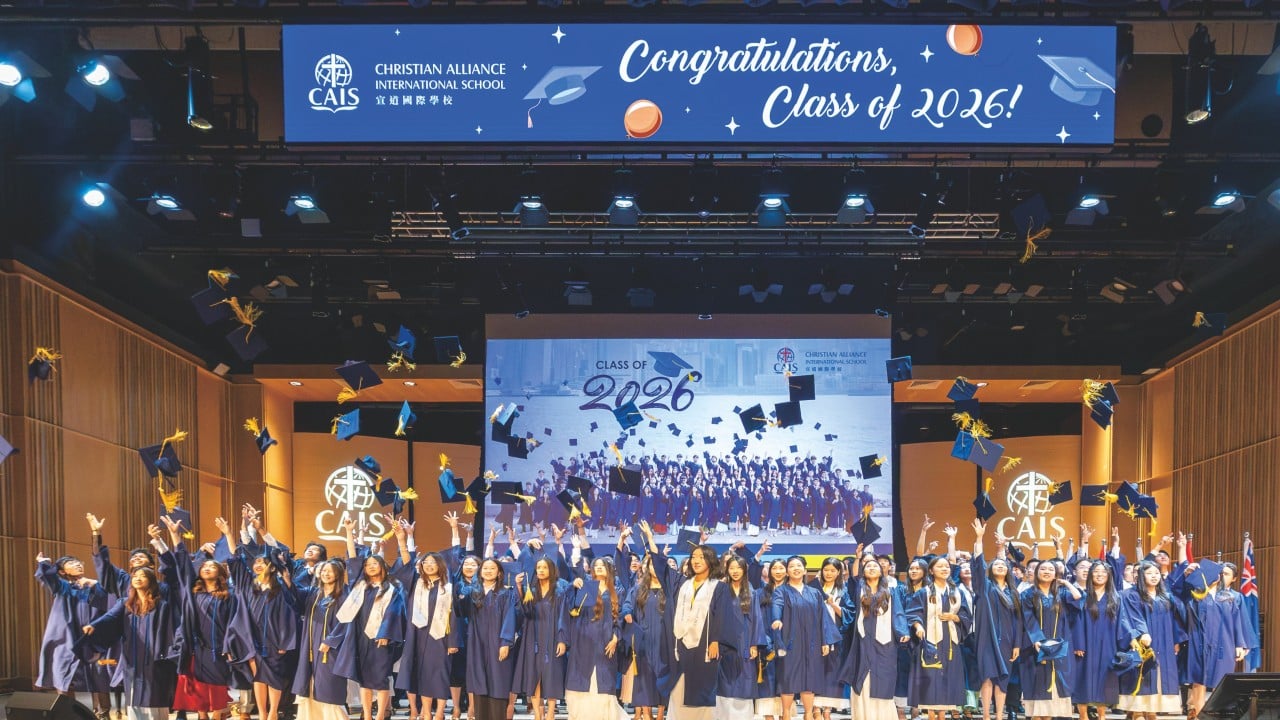
Families navigating the high-pressure world of Hong Kong elite education no longer settle for a standard international track. The modern admissions market demands total versatility, forcing premium institutions to discard traditional single-system models in favor of academic hyper-diversification. By packing the Canadian Alberta curriculum, Advanced Placement courses, and the International Baccalaureate Diploma Programme under a single roof, institutions like Christian Alliance International School are executing a calculated operational strategy designed to capture every segment of the wealthy expatriate and local elite demographic. This multi-curriculum model represents the new baseline for institutional survival in an increasingly volatile global university market.
The era of a school specializing in just one national system is ending.
The Financial and Operational Burden of Academic Triangulation
Running three distinct educational frameworks concurrently is an administrative nightmare that few schools can afford or execute. Each system requires its own standardized testing protocols, distinct teacher certification pipelines, and specialized resource allocation. When an institution provides the Alberta high school diploma alongside the American Advanced Placement framework and the European-dominated International Baccalaureate, it is essentially running three parallel operations within a single campus footprint.
The math behind this complexity is clear. Schools must maintain specialized faculty members who understand the specific grading rubrics of different international boards. A teacher trained to navigate the criteria-based assessment of an IB internal assessment may not have the same familiarity with the rigid, content-driven demands of an AP Calculus BC exam. This forces an inflation in staffing costs, which is subsequently passed on to families through rising tuition fees and mandatory capital levies.
Yet, schools accept this structural strain because it acts as a powerful hedge against geopolitical shifts and changing immigration patterns. If a sudden policy shift makes British or European universities less attractive to Hong Kong families, the school can instantly pivot its marketing toward its North American tracks without losing its student base. It is a commercial buffer masquerading as academic variety.
The Myth of the All-Round Graduate
Corporate-sponsored educational profiles frequently showcase extraordinary student portfolios as proof of institutional success. They point to graduates who manage elite debate teams, run chess clubs, score perfectly on advanced mathematics tracks, and spend over a decade volunteering at remote mainland orphanages. These stories are presented as natural outcomes of a nurturing, value-driven environment.
The reality on the ground is far more transactional.
University admissions departments at ultra-selective institutions like Tsinghua University, the Chinese University of Hong Kong, or Ivy League universities have raised their bars to near-impossible heights. A high grade point average is no longer a differentiator; it is merely a prerequisite to have an application read. The staggering scale of extracurricular commitments seen in top-tier graduates is not just an expression of personal passion. It is an existential necessity born from a hyper-competitive global applicant pool.
To stand out, students must build portfolios that display both extreme academic specialization and profound social impact. The pressure to achieve this double-standard falls squarely on the shoulders of teenagers who must balance grueling exam preparation with heavily documented community service portfolios.
The Rise of Regional Dual Degree Pipelines
One of the most telling developments in the elite education sector is the growing prestige of highly selective regional programs, such as the dual undergraduate degree economics track shared between the Chinese University of Hong Kong and Tsinghua University. This program, which splits its study between Hong Kong and Beijing, signals a clear shift in where elite families see future economic power.
For decades, the ultimate goal of international schooling in East Asia was a one-way ticket to a Western capital. That trajectory is shifting. Wealthy families increasingly recognize that long-term career security requires deep structural integration within the Asian economic framework. A dual degree from two top-tier institutions in mainland China and Hong Kong offers immediate access to influential state-backed and private corporate networks that a standard Western undergraduate degree can no longer guarantee.
By structuring their high school offerings to feed directly into these highly selective regional tracks, international schools are aligning their business goals with the shifting realities of global economic influence.
The Paradox of Faith and Performance
Elite international schools frequently attempt to balance a foundational spiritual or moral mission with the cutthroat realities of academic league tables. Administrators regularly emphasize values like service, integrity, and humility. They argue that true education looks beyond material success and visible accolades.
This creates a distinct institutional tension. The parents paying premium tuition are ultimately looking for tangible returns on their investment, measured in university acceptance letters and high average test scores. A school might champion a culture of selflessness, but its promotional materials will always lead with its highest-scoring cohorts and its most prestigious university placements.
This paradox leaves students navigating a complicated dual reality. They are told to focus on character and service to humanity, yet they are fully aware that their daily lives are judged by the cold mechanics of standardized percentiles. The institutions that survive this balancing act do so not by eliminating the tension, but by mastering the art of marketing high-scoring academic machinery through a framework of moral purpose.