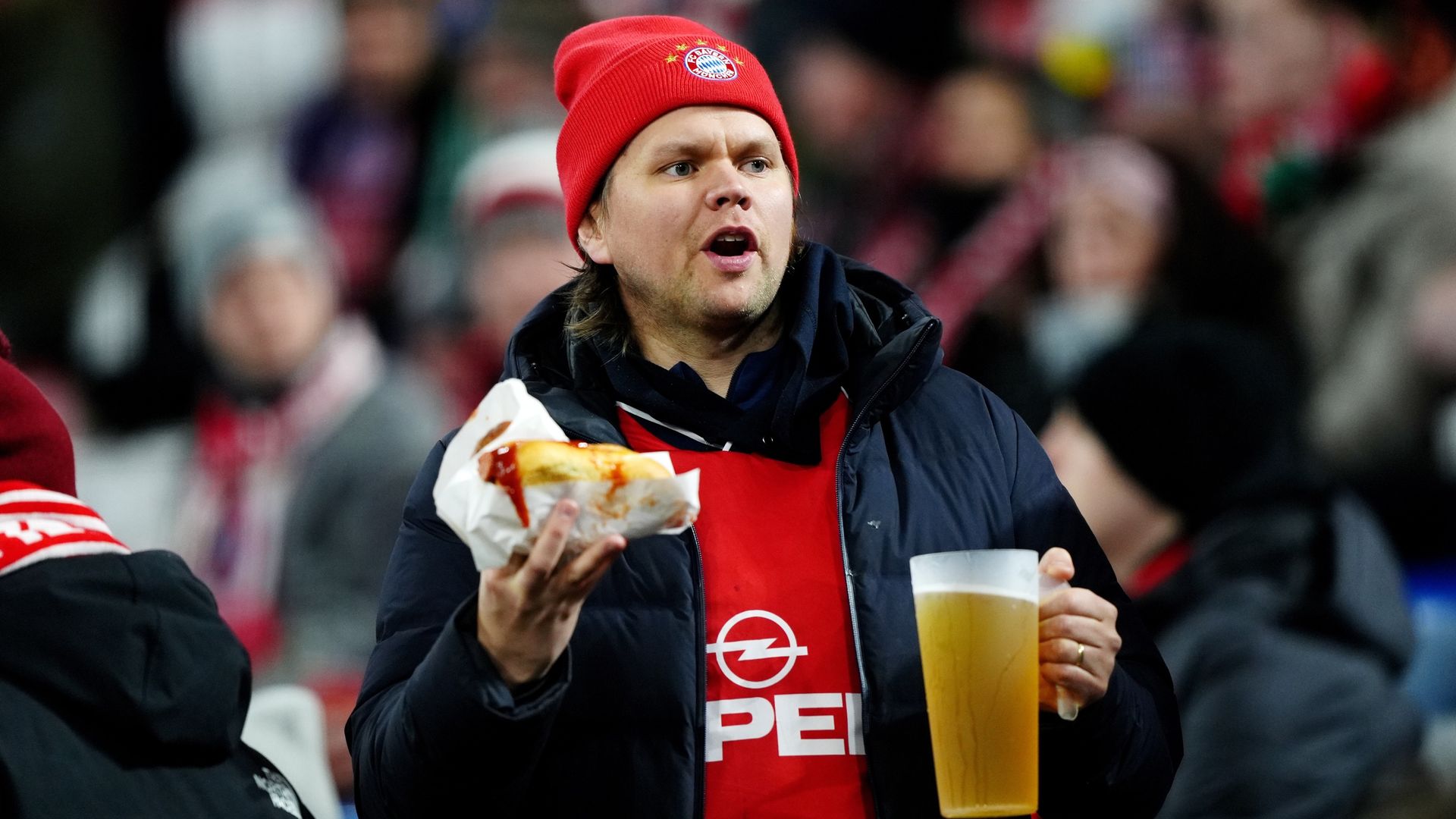
Football matches in English stadiums have operated under a dry-stand regime for nearly four decades. When political leaders float the idea of allowing fans to consume alcohol within view of the pitch, the conversation immediately splinters into predictable factions. Public health advocates warn of surging violence. Commercial stakeholders envision lucrative matchday revenue streams. The Prime Minister's recent commentary on lifting the ban forces a familiar debate back into the public eye, yet it fundamentally misdiagnoses the structural realities of matchday culture in the United Kingdom.
The Legislative Architecture of the Ban
The ban on drinking alcohol within sight of the pitch is not a vague tradition. It is a statutory restriction rooted in the Sporting Events Control of Alcohol Act 1985. Parliament enacted this legislation during an era defined by endemic stadium disorder, crumbling infrastructure, and a complete failure of crowd management. Hooliganism was treated as an existential threat to the national sport, and restricting access to intoxicants inside the bowl was viewed as a blunt, effective emergency measure.
For decades, this legal firewall separated the concourse from the seating bowl. Fans could purchase pints during the pre-match build-up and throughout the half-time interval, but carrying that plastic cup of lager past the tunnel doors and into the stands remained a criminal offense.
The rationale was straightforward. Lower the volume of consumption immediately adjacent to the playing surface, reduce the likelihood of missile-throwing incidents targeting players or match officials, and create a physical buffer zone where crowd dynamics could be more easily monitored by safety stewards.
While lower-tier leagues and rugby union matches in the same country operate under different regulatory frameworks—allowing spectators to drink in their seats without catastrophic consequences—association football has shouldered a unique historical burden. The sport carries a cultural baggage that lawmakers and police forces treat with extreme caution.
The Economic Imperative and Commercial Pressure
Commercial logic drives the push for reform just as much as populist political signaling. Modern football clubs operate as multi-million-pound entertainment conglomerates. Matchday revenue is a vital component of a club's financial health, particularly outside the elite echelons of the Premier League where broadcast revenue dwarfs all other income streams.
Concourse congestion is a permanent feature of British football. Tens of thousands of supporters funnel into narrow concourses during a fifteen-minute half-time window, creating bottlenecks that stretch safety capacities to their legal limits.
If fans could consume alcohol in their seats, consumption patterns would decentralize. People would not feel pressured to rush three pints down in a stuffy concourse bar before the second-half whistle blows. Instead, spending could be spread across the entire duration of the matchday experience.
Clubs look across the Atlantic at American sports franchises or continental European leagues where alcohol flows freely in the stands, and they see a missed financial opportunity. Premium ticketing tiers could be enhanced with in-seat delivery service, driving average spend per head significantly higher.
Yet, this commercial ambition collides directly with the logistical nightmare of retrofitting Victorian-era stadiums or managing modern arenas with dense seating configurations. The physical space between rows in many traditional grounds is remarkably narrow. Negotiating a tray of drinks past dozens of seated spectators is already an exercise in friction during a quiet game; introducing widespread alcohol circulation in cramped stands introduces entirely new friction points.
The Safety Calculus and Policing Realities
Public safety arguments against lifting the ban rely heavily on the behavior of crowds under the influence. Football policing is a complex, delicate ecosystem managed by dedicated spotters, local authorities, and club security teams.
Police commanders argue that alcohol is a primary catalyst for volatile crowd behavior. When tension rises during a high-stakes fixture—a relegation battle, a fierce local derby, or a controversial refereeing decision—the emotional temperature of the stadium spikes instantaneously. Introducing readily accessible alcohol directly into the dense, tribal environment of the stands could remove the psychological barrier that currently separates sober restraint from impulsive aggression.
Furthermore, the operational burden shifts onto matchday stewards. Stewards are rarely trained security professionals capable of managing large-scale public disorder; they are predominantly part-time workers tasked with checking tickets, preventing pitch invasions, and guiding evacuees. Expecting them to police individual alcohol consumption levels, monitor underage drinking, and intervene in disputes between rowdy spectators in packed rows is an unrealistic administrative stretch.
Proponents of reform counter that the current system merely encourages binge drinking before kickoff and during half-time. Supporters chug warm lager in crowded concourses precisely because they know they are barred from taking it to their seats. A more relaxed, integrated approach, they argue, would moderate behavior by removing the frantic rush to consume.
The Cultural Divide Inside the Ground
At the heart of this issue lies a fundamental conflict over what a football match is supposed to be. For some, it is a theatrical sporting spectacle best enjoyed with the relaxed amenities of a modern entertainment event. For others, it is a working-class ritual governed by unwritten codes of endurance, community, and intense emotional investment.
The demographic makeup of modern stadiums has shifted dramatically over the last twenty years. All-seater regulations, soaring ticket prices, and corporate hospitality packages have gentrified large sections of top-flight grounds. Yet the vocal core, the traditional matchgoers who populate the lower tiers and behind-the-goal stands, remain fiercely protective of their culture.
Many regular matchgoers view the political obsession with stadium drinking as a distraction from structural crises facing the sport. Ticket affordability, the relentless manipulation of kickoff times for television broadcasts, the over-policing of harmless fan displays, and the financial fragility of lower-league clubs are far more pressing concerns to the average supporter than whether they can sip a lukewarm cider while watching a corner kick.
When political figures step into this arena, the proposals often feel disconnected from the gritty reality of Saturday afternoons on the terraces. Pushing for policy changes without addressing the underlying infrastructure, staffing shortages, and policing costs is an exercise in superficial reform.
The ban on drinking in view of the pitch may eventually be dismantled as commercial pressures mount and modern stadium designs evolve to incorporate hospitality innovations. But until the governance of the sport matches the complexity of the crowds it seeks to manage, any shift in the law will remain a high-stakes gamble with fan safety traded off against corporate balance sheets.