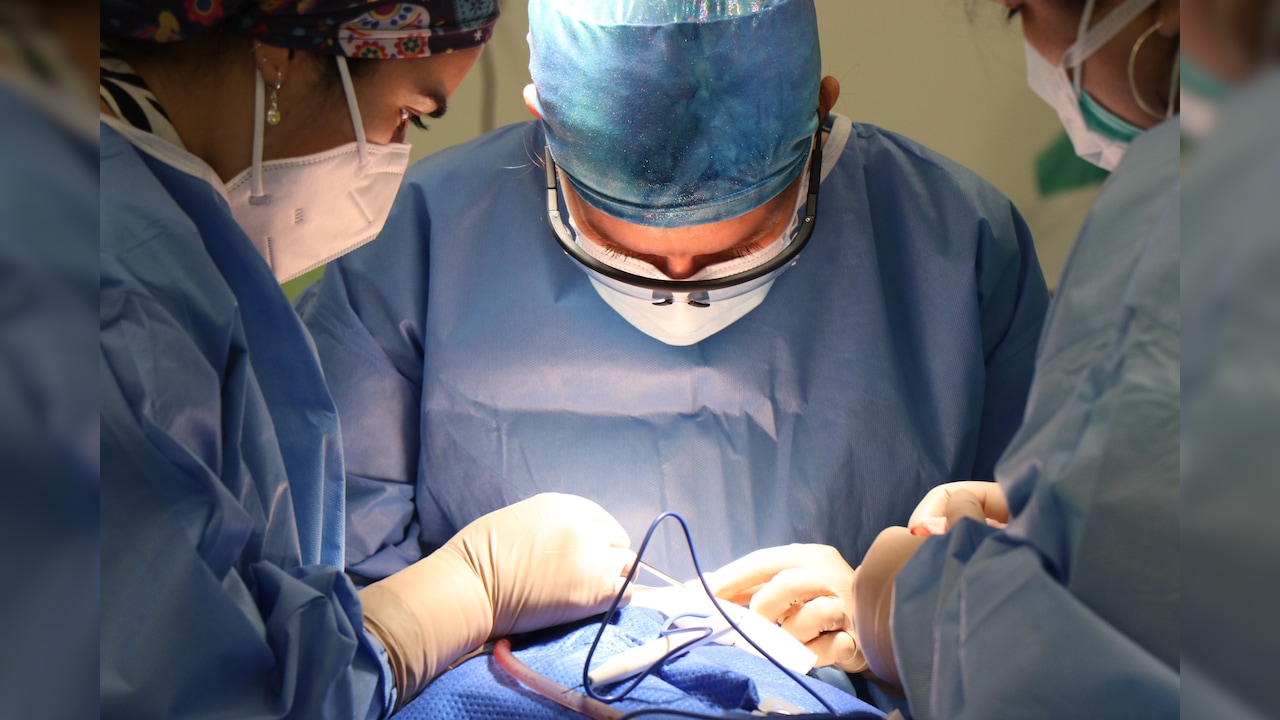
A respected surgeon at CUHK Medical Centre in Hong Kong admits he accidentally removed both ovaries from a 45-year-old patient whose consent form explicitly called for keeping them. Only her uterus and fallopian tubes were meant to come out. Worse yet, a nurse caught the error during a routine specimen check after the fact.
Let's be honest about what happened here. A "cognitive lapse" sounds clean on a press release, and calling it a "rookie mistake" shows real candor from the doctor. Still, when an experienced specialist removes organs a patient specifically asked to preserve, we can't treat that as just an awkward blip. It exposes how easily focus narrows during tricky pelvic surgery, even when checklists and consent forms sit right there on paper.
For anyone facing a hysterectomy or similar gynecological procedure, this case hits close to home. You sign paperwork expecting your boundaries to hold. Most of the time, they do. Yet knowing how an accidental oophorectomy happens—and what losing both ovaries suddenly means for a 45-year-old body—changes how smart patients prepare for the operating room.
How a Single Surgical Slip Changes Everything
According to reports from Hong Kong media outlets including the South China Morning Post and The Standard, the surgery turned out to be difficult, and the surgeon got overly absorbed in one part of the procedure and lost track of the original plan. Hospital leadership, led by chief executive Chung Kin-lai, described the lapse as a cognitive blind spot and confirmed the doctor apologized to the patient and her family that same night. The hospital also reported the case to Hong Kong's Department of Health and committed to covering follow-up care and treatment costs.
What makes this story stick isn't sensationalism. It's the quiet gap between intention and execution. The patient had chosen ovarian conservation—keeping her ovaries—which is a standard option during hysterectomy when there isn't an immediate medical mandate to remove them. A nurse spotted the unexpected tissue during routine specimen inspection, which is a vital safety net, though by then the tissue was already out.
In high-stakes surgery, human attention is narrow. When bleeding, adhesions, or tricky anatomy demand intense concentration, tunnel vision can crowd out secondary rules like "leave the ovaries alone." Calling that a "rookie mistake" is refreshing because experienced clinicians sometimes fall into the exact trap they warn trainees about—assuming muscle memory and good intentions are enough. They aren't.
Why Keeping or Removing Ovaries at 45 Matters So Much
Age 45 sits right in a biological gray zone. Many women are in perimenopause, meaning hormone production is already fluctuating, yet natural menopause hasn't officially arrived. Your ovaries aren't just baby-making organs; they're endocrine glands producing estrogen, progesterone, and androgens that influence bone density, cardiovascular health, mood, sleep, and cognitive function.
When both ovaries are removed—a procedure known as bilateral oophorectomy—estrogen levels drop sharply rather than tapering over years. In a 45-year-old, that sudden cliff can trigger abrupt menopausal symptoms: hot flashes, night sweats, vaginal dryness, mood shifts, and disrupted sleep.
Longer-term health trade-offs are why ovarian conservation gets so much attention in gynecology. Research organizations like the American College of Obstetricians and Gynecologists and large observational cohorts (such as the Nurses' Health Study) have examined how oophorectomy at younger ages affects long-term outcomes. Removing both ovaries before natural menopause can increase risks for osteoporosis and cardiovascular risk factors, especially if hormone therapy isn't used or isn't appropriate.
That doesn't mean keeping ovaries is always risk-free. Ovaries left behind after a hysterectomy still carry a small risk of future cysts, pain, or rare malignancies, which is why patients and surgeons weigh trade-offs ahead of time. When a 45-year-old explicitly chooses to keep her ovaries, though, she's making a calculated bet on preserving her natural hormone profile for as long as possible. Losing that choice by accident stings twice: first medically, and second because her autonomy was overridden mid-operation.
What Hospital Accountability Actually Looks Like
One notable detail in the Hong Kong reports is how the hospital handled blame around the surgical team. Chief executive Chung Kin-lai noted that while a prompt reminder from operating room nurses would have been welcome, nurses shouldn't be blamed for failing to catch or stop the mistake, since the surgeon carried ultimate responsibility.
I think that distinction is spot-on. Operating room nurses run crucial counts and checks, and specimen verification caught the discrepancy. Still, asking nurses to mind-read a surgeon's split-second focus during a complex dissection shifts accountability away from the person holding the instruments.
At the same time, transparency matters. The surgeon owned up publicly rather than dodging behind vague excuses, the patient accepted his apology and chose to continue care with him, and the hospital notified the Department of Health. Real accountability combines honest admission, regulatory reporting, financial coverage for ongoing care, and real changes to pre-incision and intra-operative "time-out" habits so the same cognitive blind spot is harder to hit twice.
Myths vs. Reality About Accidental Organ Removal
People tend to jump to extremes whenever a story like this breaks. Let's clear up a few common assumptions.
- Myth: Consent forms make mistakes impossible. A consent form documents your wishes and legal authorization, not a physical barrier. If nobody pauses to restate the plan during a difficult step, paperwork alone won't stop a slip.
- Myth: Only careless or incompetent doctors make surgical errors. Even seasoned specialists with strong reputations can suffer tunnel vision under pressure. Skill reduces error rates; it doesn't make a human brain immune to distraction.
- Myth: Losing both ovaries at 45 ruins your health overnight. Sudden hormone loss can feel rough right away, and long-term bone or heart risks deserve attention. Still, targeted symptom management, lifestyle support, and—when medically appropriate for you—hormone therapy help many women navigate life after oophorectomy well.
- Myth: A nurse catching it after removal fixes the problem. Specimen checks are a great quality-control step for pathology and safety tracking. Once tissue is excised, though, post-op discovery is about honesty and damage control, not prevention.
How to Protect Your Wishes Before Gynecological Surgery
You can't control every twist inside an operating room, and honestly, no patient should have to act like a compliance auditor while stressed about surgery. Still, a few practical habits give you stronger guardrails before anesthesia kicks in.
- Put your exact tissue boundaries in plain words. Don't settle for vague checkboxes if you have strong feelings about keeping or removing your ovaries, cervix, or fallopian tubes. Ask your surgeon to write down what comes out and what stays in—and ask what "gray zone" triggers would make them change course mid-surgery (for instance, finding unexpected disease).
- Ask about the surgical "time-out" routine. Most hospitals run a formal pause right before incision to confirm patient identity, procedure, and site. Ask how your team confirms organ-preservation plans—especially if the operation gets tricky or takes longer than expected.
- Clarify post-op hormone and recovery plans ahead of time. Even if your plan is to keep your ovaries, ask what happens if an unexpected finding forces removal. Knowing beforehand whether hormone therapy, bone monitoring, or pelvic floor support is on the table removes guesswork if plans shift.
- Bring someone to your pre-op visit. A second set of ears catches details you miss when you're nervous, and having a trusted person who knows your exact preferences helps if you need support advocating afterward.
If you're scheduling surgery soon, write down your top two questions about organ preservation tonight and bring that list straight to your next pre-op appointment.