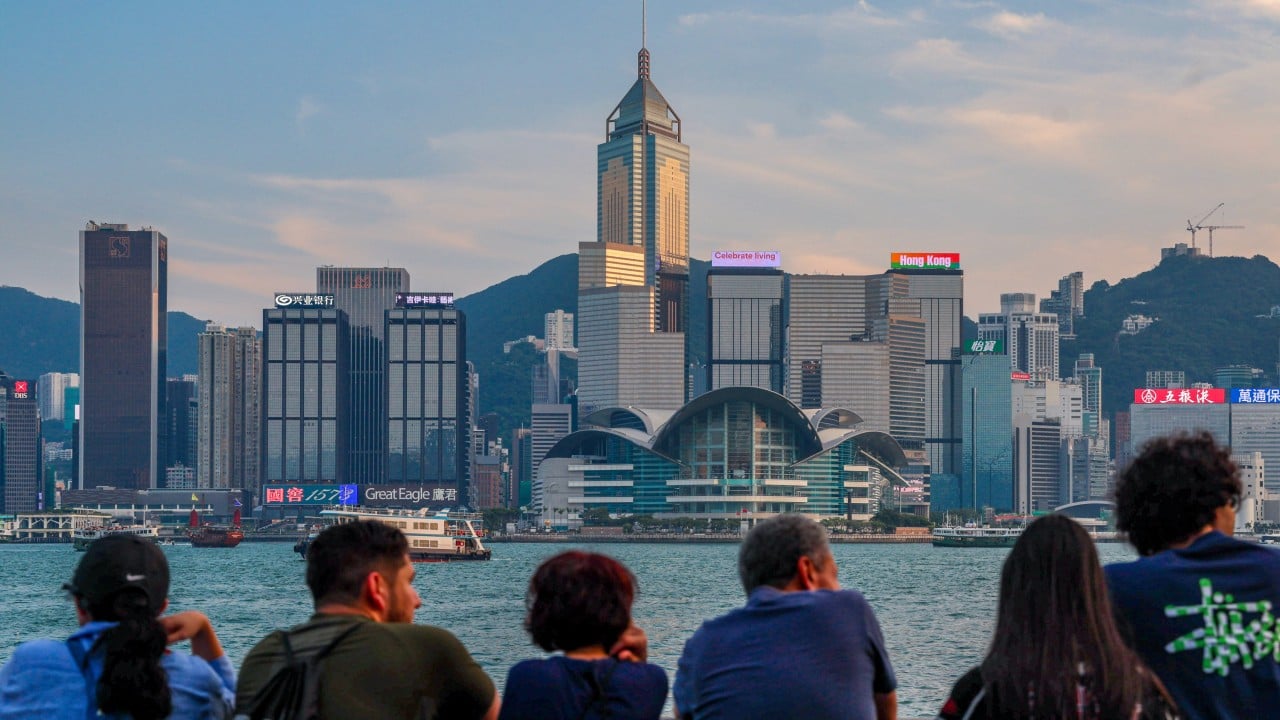
Hong Kong once claimed the crown as the world's most-visited city, welcoming tens of millions of tourists annually who flooded its neon-lit streets and luxury shopping malls. Today, those identical glass-and-steel hospitality towers are undergoing a radical surgical procedure. Owners are quietly ripping out minibars to install study desks, transforming former guest rooms into student dormitories. This spatial revolution is driven by a collapsing traditional tourism model and a government-mandated influx of non-local university students, exposing a deep financial desperation beneath the territory's glossy real estate surface.
The numbers tell a stark story. For decades, Hong Kong’s tourism engine ran on volume and conspicuous consumption. Visitors arrived by the millions, packing into hotels across Tsim Sha Tsui and Causeway Bay. Then came the triple shock of political upheaval, pandemic isolation, and structural shifts in mainland consumer behavior. The tourists did not return in their previous form. Day-trippers replaced overnight spenders. Hotel occupancy rates plummeted, leaving operators drowning in debt service while maintenance costs bled their balance sheets dry.
Empty rooms do not pay mortgages.
Enter the student housing crisis. Hong Kong’s public universities historically housed only a fraction of their student bodies on campus. When the administration doubled down on an aggressive internationalization strategy—raising the cap on non-local admissions to public universities—tens of thousands of young scholars descended upon the city simultaneously. They needed beds. University campuses had none to offer. Traditional residential landlords demanded exorbitant rents for cramped subdivided flats, pricing out students before the semester even began.
Hotel owners recognized an opening. Converting transient guest rooms into long-term student accommodation offered a guaranteed cash flow stream. Nightly volatility vanished. In its place came predictable ten-month or twelve-month leases paid in advance.
The Mechanics of a Quiet Conversion
The physical transition from hotel to student residence is rarely glamorous. It requires stripping away the artifacts of leisure. Room service menus vanish from bedside tables. Mini-fridges remain, but they are stocked with textbooks instead of overpriced champagne.
Operators discovered that students have different spatial requirements than vacationers. Common areas are re-engineered. Hotel ballrooms and underutilized restaurants are partitioned into communal study lounges, shared kitchens, and laundry facilities. Co-living operators and boutique hotel groups partnered with universities or marketed directly to families across the border in Shenzhen and Guangzhou.
The financial logic is ruthless. Running a hotel requires continuous housekeeping, concierge staff, front desk rotations, and heavy marketing spend through online travel agencies that take hefty commissions. Student dormitories operate on lean overhead. Once the rooms are leased for an academic year, operational costs drop precipitously.
Property analysts celebrate this as an innovative use of distressed assets. They miss the underlying pathology. A city that must convert its primary tourist infrastructure into dormitories is a city admitting that its tourism economy has fundamentally stalled.
The Policy Push and the Student Influx
The administrative architects of Hong Kong’s educational policy wanted an intellectual hub. They envisioned bright minds from around the globe converging on local lecture halls, transforming the Special Administrative Region into an educational superpower within the Greater Bay Area.
The policy worked on paper. Admissions soared. Mainland Chinese students, eager for an international credential within striking distance of home, applied in record numbers. International enrollments ticked upward despite geopolitical headwinds.
Yet, planners forgot where these human beings would sleep. Hong Kong suffers from a chronic, suffocating land shortage. Building new student halls on campus takes years of bureaucratic approvals, environmental impact assessments, and fierce local opposition. Hotels offered an instant, turnkey solution.
Private capital moved swiftly. Several mid-tier hotels changed hands, acquired specifically for conversion into student hostels. Operators realized that a room generating erratic revenue at a low occupancy rate could be converted into a steady income asset yielding stable returns when packed with multiple students sharing a suite.
Winners, Losers, and Neighborhood Realignment
Entire neighborhoods are shifting personality. Districts that once catered to mainland shoppers rolling suitcases down Nathan Road now witness students carrying backpacks and laptops to nearby MTR stations.
Local economies are adapting. High-end luxury boutiques are giving way to affordable eateries, print shops, and grocery stores. The economic footprint of a student is vastly different from that of a luxury tourist. Students spend less on designer handbags and more on daily essentials. They utilize public transit with transit passes rather than hailing fleets of taxis.
This realignment hits traditional tourism stakeholders hard. Tour operators, souvenir vendors, and high-end restaurateurs who survived the pandemic only to face a transformed urban demographic find themselves stranded in a different economic ecosystem. The tourist dollars that once greased the wheels of Hong Kong’s service sector are being replaced by tuition-funded living allowances and parental remittances from abroad.
Critics argue this trend signals a permanent retreat. When a world-class destination repurposes its hospitality infrastructure for academia, it signals a quiet concession that the golden era of mass tourism is over. Business travel has contracted. Leisure travelers find alternative regional hubs more welcoming or affordable.
The Long-Term Real Estate Reckoning
Real estate in Hong Kong is treated as an immutable law of physics. Property prices rarely fall far before government intervention steps in, and land scarcity ensures structural support for valuations.
Yet, the hotel-to-dormitory trend introduces a new asset class ambiguity. Are these buildings hotels anymore? Legally and structurally, many retain their commercial zoning or operate under temporary waivers. If the student boom peaks or if geopolitical tensions alter enrollment patterns, what happens to buildings that have been gutted of their hotel infrastructure?
Reconverting a student dormitory back into a luxury hotel is an expensive proposition. The fixtures, the layout modifications, and the wear and tear from years of student habitation mean these properties are locked into their new identity for the medium term.
Investors are betting that the student housing deficit will persist for decades. They are likely correct. Hong Kong’s universities remain elite institutions with global academic standing. The demand for degrees earned in the territory shows no sign of abating, particularly among students seeking a bridge between mainland systems and international standards.
Still, the irony remains palpable. Hong Kong spent billions building an infrastructure designed to charm the world for a few days at a time. Now, it survives by renting those same rooms to people staying for four years.
The neon signs still flicker across Victoria Harbour. The skyline remains a monument to ambition and engineering. But beneath the surface, the rooms behind those lit windows are changing. The tourists are gone, the students have moved in, and Hong Kong is quietly learning to live with its new reality.