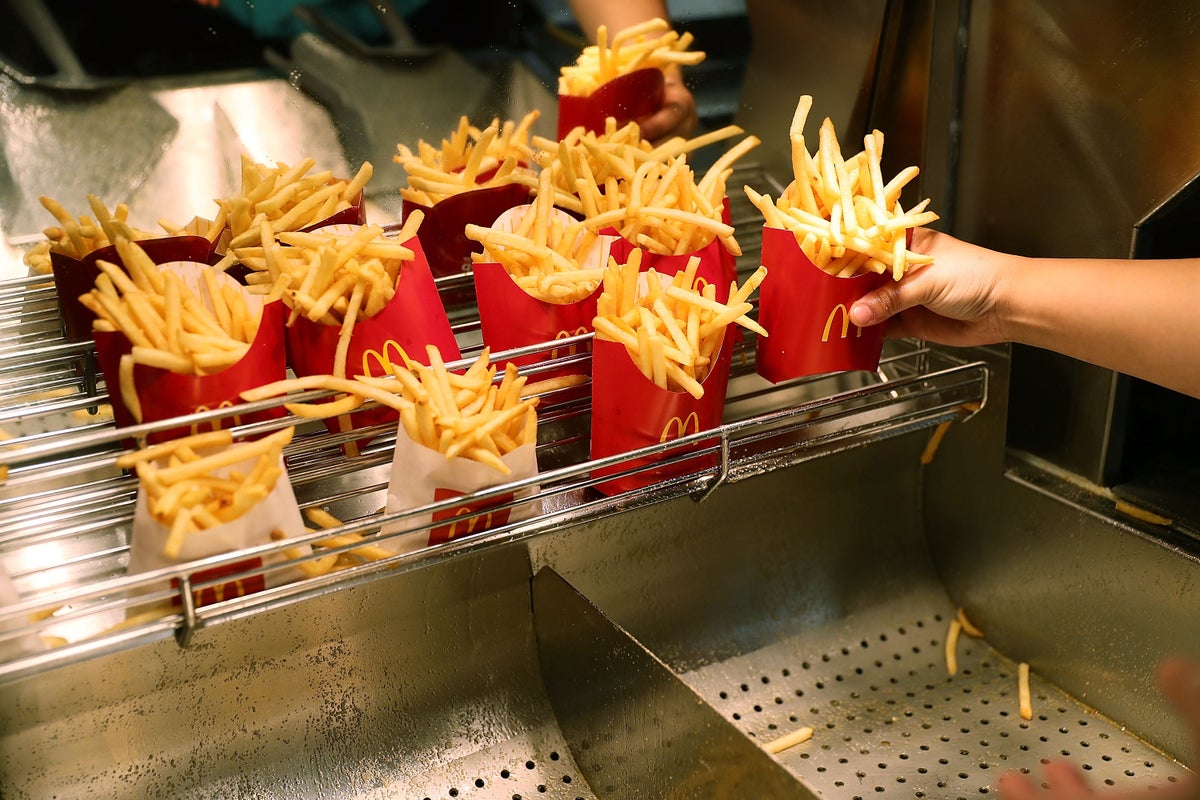
When news breaks that a customer is suing McDonald's over severe burns from hot food, public reaction splits down the middle. Half the Internet starts cracking jokes about common sense. The other half gets outraged over fast food safety standards.
It happens every time.
People remember the famous 1994 Liebeck case where an elderly woman suffered third-degree burns from drive-thru coffee. Decades later, plaintiffs are still taking legal action against major chains over thermal injuries caused by items ranging from French fries to chicken nuggets and soup.
Most people assume these cases are simple cash grabs or basic negligence claims. That's a mistake. The legal reality behind hot food product liability lawsuits is brutal, technical, and surprisingly tricky to win.
The Reality of Severe Burns from Hot Fast Food
Severe thermal burns aren't just minor skin irritations. They often involve full-thickness skin destruction requiring emergency medical care, skin grafts, and long-term treatment.
When liquid or oil-soaked food hits human skin at high temperatures, damage happens in seconds. Water or grease trapped against skin inside clothing acts like an insulator. It holds the heat directly against tissue.
Burn Severity Thresholds by Temperature
-------------------------------------------------------
120°F (49°C)  | Requires ~5 minutes of contact for deep burns
140°F (60°C)  | Causes serious burns in under 5 seconds
150°F (65°C)  | Causes deep third-degree burns in under 2 seconds
180°F (82°C)  | Immediate third-degree burns upon contact
Fast food fryers typically cook products at 350°F. While food cools rapidly once removed from the oil, fresh items placed into serving packaging retain high internal temperatures. When hot oil or steaming contents spill onto a lap or hand, the injury can require immediate hospital care.
In fast food legal disputes, injury severity matters tremendously. Minor redness won't get far in court. Documented medical expenses, emergency room records, and physical evidence of deep thermal damage are the foundation of every major suit.
What You Have to Prove to Win a Hot Food Lawsuit
If you get burned by hot food, suing a multi-billion-dollar franchise isn't as simple as filing paperwork and waiting for a check. Personal injury claims against corporate chains hinge on strict product liability standards and negligence principles.
To build a viable legal case, a plaintiff's legal team must establish clear elements:
- Unreasonable Danger: The food or packaging was dangerous beyond what a typical consumer would reasonably expect.
- Defective Packaging or Handling: A lid failed to secure properly, packaging leaked, or staff served food at unsafe temperatures violating internal guidelines.
- Direct Causation: The specific temperature or packaging defect caused the severe burn directly, rather than customer carelessness alone.
- Actual Damages: Documented medical bills, lost income, and physical suffering.
This is where cases get tough. Defense lawyers routinely argue that consumers expect fast food to be hot. They argue that handling food safely is the customer's responsibility once it passes through the drive-thru window.
To beat that defense, plaintiffs must prove something went wrong in the preparation or packaging process. Was the corporate machinery calibrated incorrectly? Did an employee fail to secure a container lid? Did a fry basket drain improperly, dumping boiling residual oil directly into a paper bag?
Details win or lose these cases.
Why Packaging and Temperature Protocols Matter
Fast food corporations operate on precise standardized procedures. Every major chain has explicit rules detailing:
- Cooking temperatures for proteins and side items.
- Mandatory drain times for fried products to remove excess oil.
- Specific holding temperatures under heat lamps.
- Packaging integrity checks for drive-thru orders.
When a customer sues over severe burns, internal corporate logs become primary evidence. Plaintiffs request temperature calibration records, employee training materials, and store surveillance footage.
If a restaurant strays from its own safety manual, its legal protection erodes. A store holding food above maximum safety thresholds or rushing orders through drive-thru windows without securing lids opens itself to massive liability.
Packaging design plays an equally vital role. Fast food containers must balance heat retention with safety. If a container collapses under normal pressure or leaks hot grease onto a customer's lap, the manufacturer and the restaurant chain can both face liability claims under design defect laws.
How Courts View Consumer Responsibility
Courts apply comparative negligence principles to hot food lawsuits. This legal doctrine compares the fault of the restaurant against the fault of the customer.
If a jury determines a chain was negligent for serving scalding items, but also finds the customer was 40% responsible for spilling the item while driving, any financial award gets reduced by that 40%. In states following strict contributory negligence laws, showing the customer shared even 1% of the blame can wipe out compensation entirely.
Because of this, defense attorneys constantly focus on what the customer was doing when the injury occurred.
Were they driving? Was the vehicle moving? Did they place hot food between their knees? Were they distracted by a smartphone?
Overcoming these defenses requires clear proof that the food was dangerously hot or that bad packaging caused an unavoidable spill.
What to Do If You Suffer Severe Fast Food Burns
If you suffer serious thermal burns from fast food, taking immediate and systematic steps protects both your health and potential legal rights.
First, seek medical treatment immediately. Urgent care or emergency room records provide crucial objective evidence of burn depth, location, and severity.
Second, preserve the physical evidence. Keep the original packaging, food container, receipt, and clothing worn during the incident. Do not wash the clothes. Photos of the packaging, the scene, and your injuries taken over time are invaluable.
Third, report the incident to store management, but avoid giving detailed recorded statements to corporate risk managers or insurance claims adjusters until you consult a qualified personal injury attorney experienced in product liability cases.
Navigating corporate liability claims requires fast action, detailed evidence collection, and professional legal evaluation before critical evidence disappears.