Loving someone through a substance abuse crisis is brutal. It doesn't matter if you live in a suburban cul-de-sac or the White House. The fear, the sleepless nights, and the desperate search for answers look exactly the same.
Former First Lady Jill Biden just admitted she fell into a trap that millions of parents face. She stayed quiet. You might also find this similar article insightful: Why Lil Durk Winning His Trial Changes Nothing About How Corruptly Federal Prosecutors Operate.
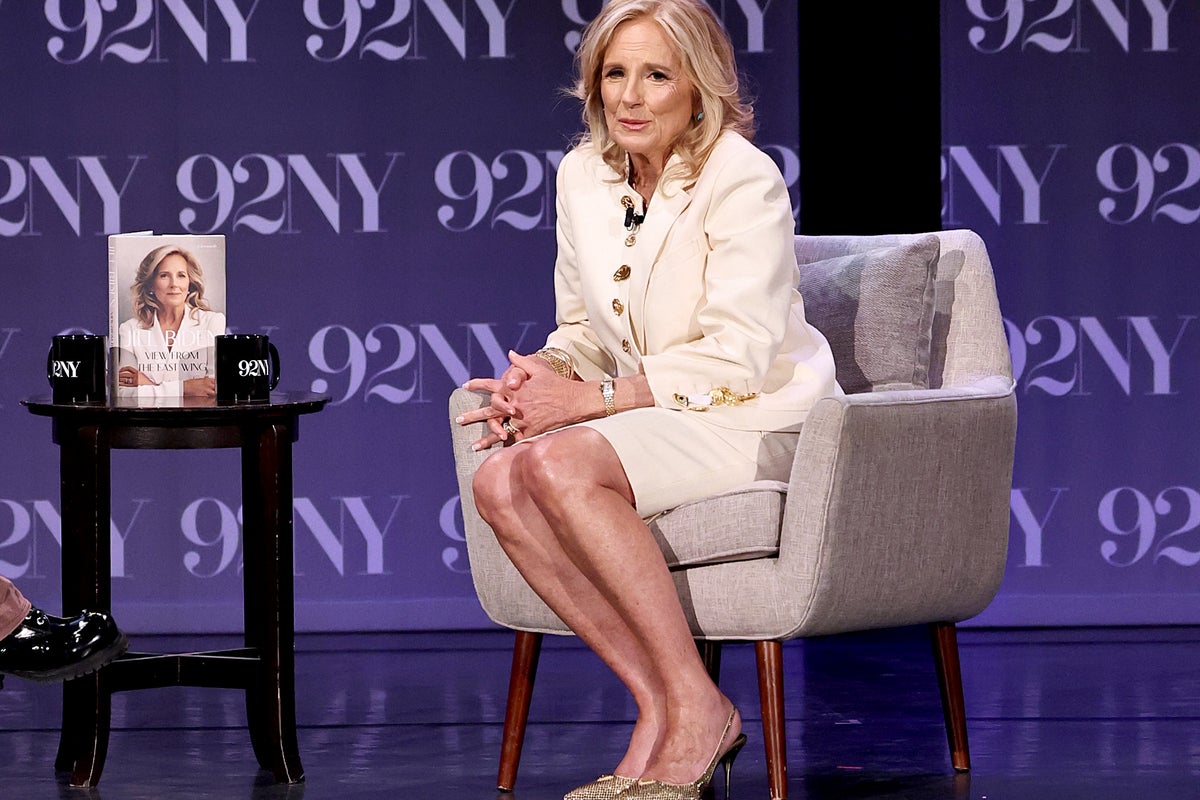
During a conversation with Whoopi Goldberg at New York’s 92nd Street Y to promote her White House memoir, View from the East Wing, Jill Biden opened up about her son Hunter's public battle with crack cocaine and alcohol addiction. Looking back on that agonizing period, she revealed her biggest regret. She wishes she had talked about it more openly while it was happening.
"I'm sorry that I didn't talk about it a little bit more," she told the audience. It’s a stunningly candid admission from a woman who spent four years trying to maintain a poised, unflappable public image while her family’s private pain was dragged into the political spotlight. As extensively documented in recent articles by Bloomberg, the results are widespread.
Breaking Through the Wall of Denial
Stigma thrives in the dark. For public figures, the instinct is almost always to hide family dysfunction to protect a career or a political agenda. The Bidens were no different.
Jill Biden confessed that when Hunter’s life started spiraling out of control, she and her husband, former President Joe Biden, weren't equipped to handle it. "I think we were partly in denial," she admitted in her book.
It’s an incredibly relatable admission. When you look at a child who has every advantage—a loving family, an elite education, and a successful career—it’s easy to convince yourself that they can't possibly be a drug addict. You tell yourself it’s just a rough patch. You convince yourself they’ll snap out of it.
Hunter’s heavy drug use escalated dramatically after his older brother, Beau Biden, died of brain cancer in 2015. Grief is a massive trigger for relapse, and Hunter fell hard. For years, the family carried that burden in secret, terrified of the judgment that comes with addiction.
That silence is exactly what Jill Biden regrets today. She now realizes that hiding the struggle didn't protect her family. It just isolated them—and missed an opportunity to help others going through the exact same nightmare.
Why Silence Hurts Families Facing Addiction
When a high-profile person hides a family member's substance abuse, it reinforces the toxic idea that addiction is a moral failure to be ashamed of. It sends a message that addiction is something to cover up rather than a medical crisis that requires treatment.
According to data from the National Institute on Drug Abuse (NIDA), shame and fear of social stigma are among the top reasons people avoid seeking help for substance use disorders. By keeping Hunter’s addiction behind closed doors during those critical early years, the Bidens unintentionally fed into that cycle.
Jill Biden’s perspective shifted dramatically after stepping away from the intense pressure of the presidency. She noted that she now wants to use her platform to offer a lifeline to other parents. "I hope that by talking about it more as I go forward... it offers other people hope," she said.
Hunter Biden has now been sober for seven years. He rebuilt his life as an artist and actively works to support others in recovery. But the legal and political fallout from his addiction years lingered long after he got clean, culminating in a highly publicized federal gun trial and eventual presidential pardon.
Moving From Shame to Action
If you are currently watching a family member battle addiction, hiding the problem won't fix it. Staying silent only protects the disease, not the person you love.
Step one is acknowledging the reality of the situation without blame. Drop the expectation that you can fix this on your own through sheer willpower or family loyalty.
Connect with support networks like Al-Anon or Learn to Cope. These organizations exist specifically for parents and spouses who are drowning in the chaos of a loved one's substance abuse. Hearing other people speak the truth out loud changes everything. It strips away the isolation.
Jill Biden’s late-stage transparency proves that it is never too late to change the narrative. You don't have to wait until a crisis is neatly resolved to start talking about it. Start speaking up, find your community, and refuse to let shame dictate your family's future.