There can be only one.
We chanted it in the dark theaters of the nineteen eighties, the heavy metal soundtrack vibrating through the sticky floors, the leather jacket of a Scottish immortal cutting a lonely figure against the rain-slicked concrete of New York City. Connor MacLeod did not age. He did not bleed to death. He absorbed the power of his fallen enemies through the Gathering, carrying centuries of memory behind eyes that had seen empires rise and crumble into dust.
We wanted to believe the magic was real. We needed something to hold back the terrifying erosion of time.
Decades later, the convention hall in Pittsburgh hummed with that exact brand of stubborn nostalgia. Fluorescent lights beat down on rows of folding tables laden with signed memorabilia, vintage posters, and plastic action figures frozen in eternal youth. People had driven for hours, parting with hard-earned cash for a five-second handshake and a blurry photograph with the man who taught us that mortality is just a technicality.
Then, the queue stopped.
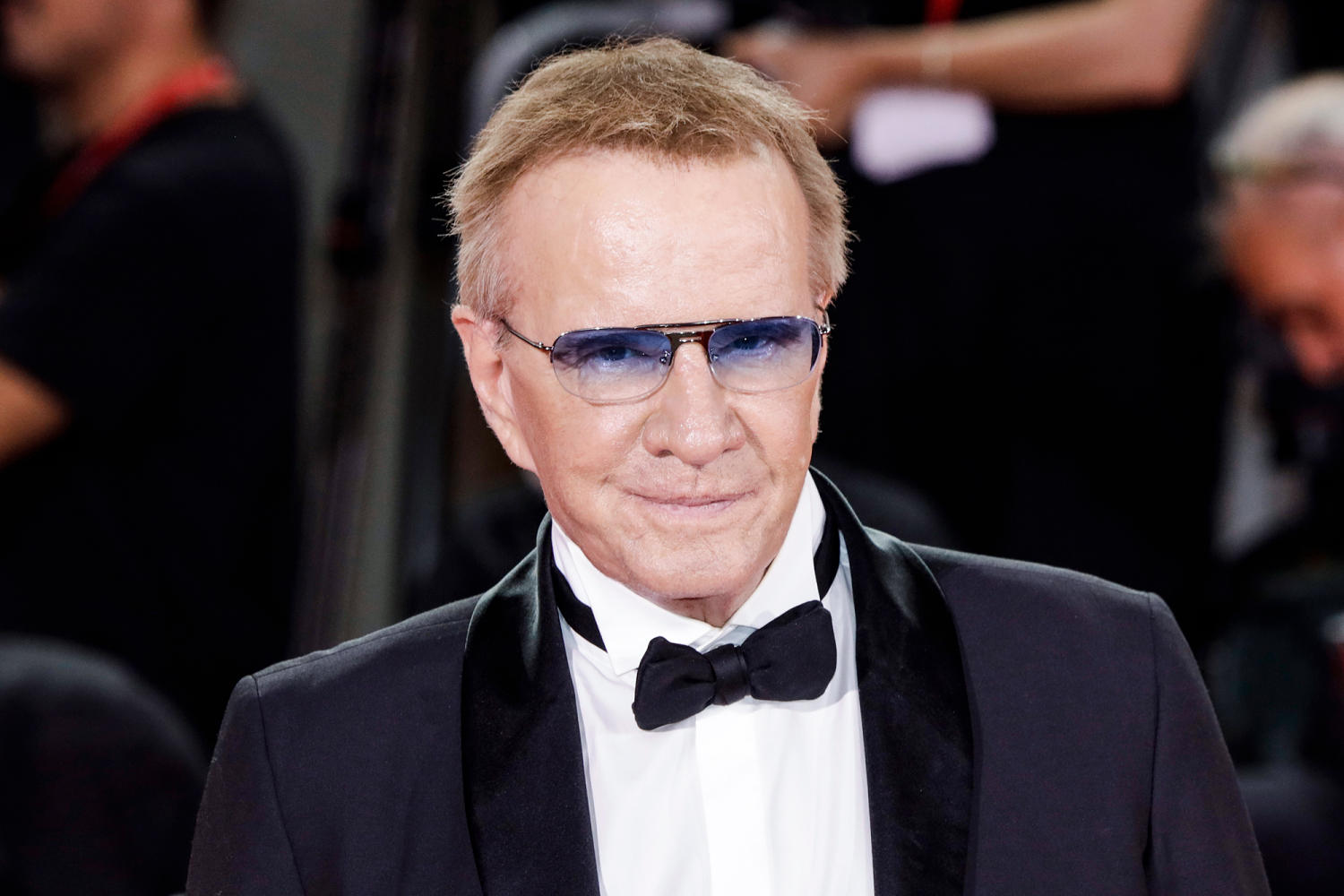
Rumors move through a crowd like wind through dry grass. First, it was a murmur near the photograph booths. Then, a hesitant shuffle of feet. Finally, an announcement that hung heavy in the air. Christopher Lambert had left the building.
Panic is too strong a word for what happened next, but confusion carved a sharp silhouette across hundreds of faces. People had traveled from neighboring states. They carried worn VHS tapes they had cherished since childhood. They had brought their children, eager to pass down the ghost of a cinematic icon. To have the door shut early feels personal, even when logic whispers that bodies break down regardless of what silver screen mythology dictates.
The official word trickled out soon after. A health scare.
Suddenly, the illusion shattered. The man beneath the trench coat was flesh and bone, susceptible to the very human frailties that the rest of us fight against every single day.
Consider what happens next in the modern age of digital echo chambers. Within minutes, speculation metastasized online. Was it serious? Was it a momentary dizziness from the stale convention air, or something heavier that required quiet dignity away from prying camera lenses? The internet demands absolute transparency, treating public figures like commodities whose every heartbeat belongs to the collective ledger. We forget that underneath the biography, the red carpets, and the timeless film reels, there is a person navigating the quiet terror of a sudden physical warning sign.
I know that fear intimately.
It happens without fanfare. One moment you are upright, functioning, answering questions, moving through the motions of an ordinary day. The next, your chest tightens or your vision blurs, and the illusion of invincibility vaporizes. The world keeps spinning, but you are forced to stop. You must step off the stage. You must look at the crowd and say, without words, I cannot finish this today.
For an actor whose entire professional legacy is built on the concept of eternal endurance, the irony is thick enough to choke on. Christopher Lambert spent a lifetime portraying immortals, figures impervious to the decay that rusts our joints and clouds our minds. Tarzan. Raiden. Connor MacLeod. Names etched into the pop culture consciousness as synonyms for unstoppable power.
Yet reality has a cruel way of puncturing myth.
When a body says stop, it does not negotiate with box office receipts. It does not care about the line of hopeful fans wrapped around the convention center corner. It does not respect the schedule of flights, panels, and photo ops. Biology operates on a different, more ancient rhythm, one that hums quietly in the background until it demands absolute attention.
Stepping away is the hardest part.
Pride whispers that you can push through. It tells you to smile for just a few more minutes, to sign just a few more autographs, to prove to yourself and everyone else that you are still the hero they came to see. But wisdom, born of vulnerability, steps in and forces the hand. It takes courage to admit weakness in a room full of people who view you as a god. It takes guts to walk out the side exit and leave the money on the table, choosing survival over spectacle.
The fans waiting in Pittsburgh did not get their moments. Some felt cheated, naturally. Money was spent, expectations were dashed, and the anticipated climax of a weekend pilgrimage dissolved into an empty space behind a curtain. That disappointment is valid. We invest our emotions heavily in the art that helped us survive our own difficult adolescences. When the artist stumbles, we feel the tremor.
But look closer at the aftermath.
Instead of anger, a strange sort of grace settled over the venue. People began to pack up their posters. They talked about his older films, swapping favorite scenes from the mountain sequences in Scotland, laughing about the soundtrack, remembering the sheer joy of discovering a cinematic universe that made them feel larger than life. The human connection did not require a handshake to remain intact.
We often forget that our heroes are dying, too. We trap them in amber, expecting them to remain twenty-five and battle-ready forever, refusing to grant them the grace of aging, of faltering, of needing to sit down. We demand eternal performance from mortals.
The convention lights eventually flickered off. The floor sweepers moved in, clearing away the discarded coffee cups and program guides. Somewhere away from the noise, in the quiet shelter of privacy, a man who once fought for the Prize was simply resting, learning all over again that the most important battle any of us will ever fight has nothing to do with swords, and everything to do with listening to the quiet voice inside that says enough is enough.

_Steam_Key-GLOBAL_1.webp)