You can't build electric vehicles, advanced defense gear, or semiconductor chips without critical minerals. Right now, getting a steady supply of these elements is a geopolitical bottleneck. Union Commerce and Industry Minister Piyush Goyal just made it clear that India is aggressively moving to fix this vulnerability.
Speaking at the 66th Annual Session of the Automotive Component Manufacturers Association of India (ACMA), Goyal noted that New Delhi is deep into negotiations with the United States, the UK, and European partners. The core goal? Securing domestic access and processing capabilities for vital raw materials before global supply chains experience another major shock. For a different look, consider: this related article.
Breaking Free From Single-Source Dependencies
For decades, the global supply of elements like lithium, cobalt, and rare earth elements has suffered from severe concentration risks. When one single geographic region controls extraction and processing, the rest of the world is left exposed to sudden export restrictions or price spikes.
India wants to stop playing defense. By leaning into multilateral pacts, the country is actively rewiring how it sources essential inputs for high-tech manufacturing. Similar coverage on the subject has been shared by Forbes.
- The Pax Silica Alignment: India is working alongside the US within the Pax Silica framework, an economic-security initiative designed to secure supply lines spanning artificial intelligence, semiconductors, and essential minerals.
- Critical Minerals Partnership: Membership in this coalition ensures that democratic, market-driven economies can counter attempts by any single nation to weaponize global trade.
- European and UK Dialogues: Parallel talks are ongoing with European capitals and London to build resilient processing corridors that insulate local industries from sudden shortages.
Trade Pacts as a Strategic Shield
Goyal emphasized that India isn't just relying on diplomatic handshakes. Free Trade Agreements (FTAs) signed over the past four to five years have opened up zero-duty access to 38 developed countries representing a combined GDP of roughly $60 trillion.
That is a massive leap from the older generation of trade pacts inked prior to 2014, which covered a combined GDP of roughly $10 trillion. This expanded trade architecture gives Indian industrial players the leverage needed to source raw components globally and compete with top international manufacturers.
To support this shift domestically, the government is also drafting regulatory exemptions. High-tech manufacturing sectors will soon bypass mandatory Bureau of Indian Standards (BIS) certification hurdles for specific equipment and components required to set up local facilities. The message from trade authorities is simple: remove bureaucratic friction so local factories can scale faster.
What This Means for Domestic Industries
If you run a manufacturing business or supply components into the automotive and electronics sectors, you need to watch these developments closely. Sourcing raw materials locally or through allied international corridors is shifting from a nice-to-have policy goal to an operational necessity.
Take a hard look at your supply chain exposure right now. Diversify your tier-one and tier-two suppliers before trade restrictions tighten further. Align your procurement strategy with the nations currently forging secure bilateral trade pacts with New Delhi.
The global race for raw materials is moving fast. Sit back and wait, or start building supply chain redundancy today.
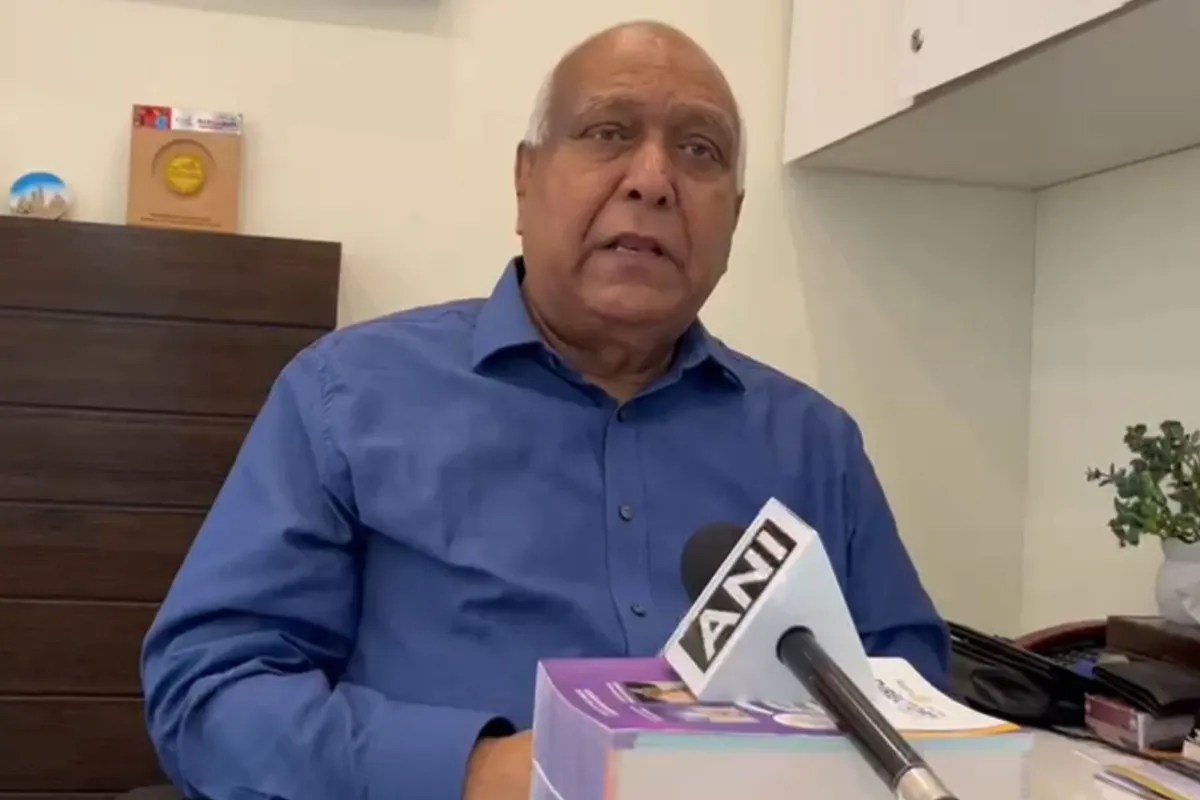
India Eyes Critical Minerals Partnerships With US, UK & Europe: Piyush Goyal
This video provides additional context on Union Minister Piyush Goyal's remarks regarding India's strategic push for critical mineral partnerships with Western allies.