Two lives ended abruptly on a Saturday inside an industrial zone in Mahad. A toxic gas leak at the Indo Amines manufacturing facility didn't just halt chemical production; it claimed the life of a company employee and a worker at a neighboring factory.
Accidents like this get buried under corporate statements. They shouldn't.
When specialty chemical manufacturers experience catastrophic containment failures, the fallout rarely stays neatly contained within factory fences. In this case, the poison reached beyond the plant's boundaries, proving that perimeter safety protocols in heavy industrial belts are often dangerously porous.
What Actually Happened at Mahad
Details from corporate disclosures are sparse. Indo Amines confirmed that the leak occurred on a Saturday, but the public only learned the full scope when official statements dropped on Monday. Operations at the facility faced immediate temporary suspension.
The fatalities reveal a terrifying operational reality. One victim worked directly for the company. The second victim was employed at an adjacent industrial unit, succumbing to their injuries during medical treatment.
Think about that for a second. You can go to work at an entirely different company, miles away from the source of a chemical hazard, and still lose your life because containment failed.
Market reactions were swift. Shares of Indo Amines fell sharply following the news, dropping nearly four percent. Wall Street and stock exchanges care about share prices. Local communities care about breathing.
The Illusion of Corporate Preparedness
Companies always lean on standard crisis playbooks. They suspend operations. They pledge cooperation. They insist the exact cause remains unknown while investigations crawl forward.
Let's be honest about how chemical plant safety works on the ground.
- Maintenance schedules get tight.
- Profit margins squeeze safety budgets.
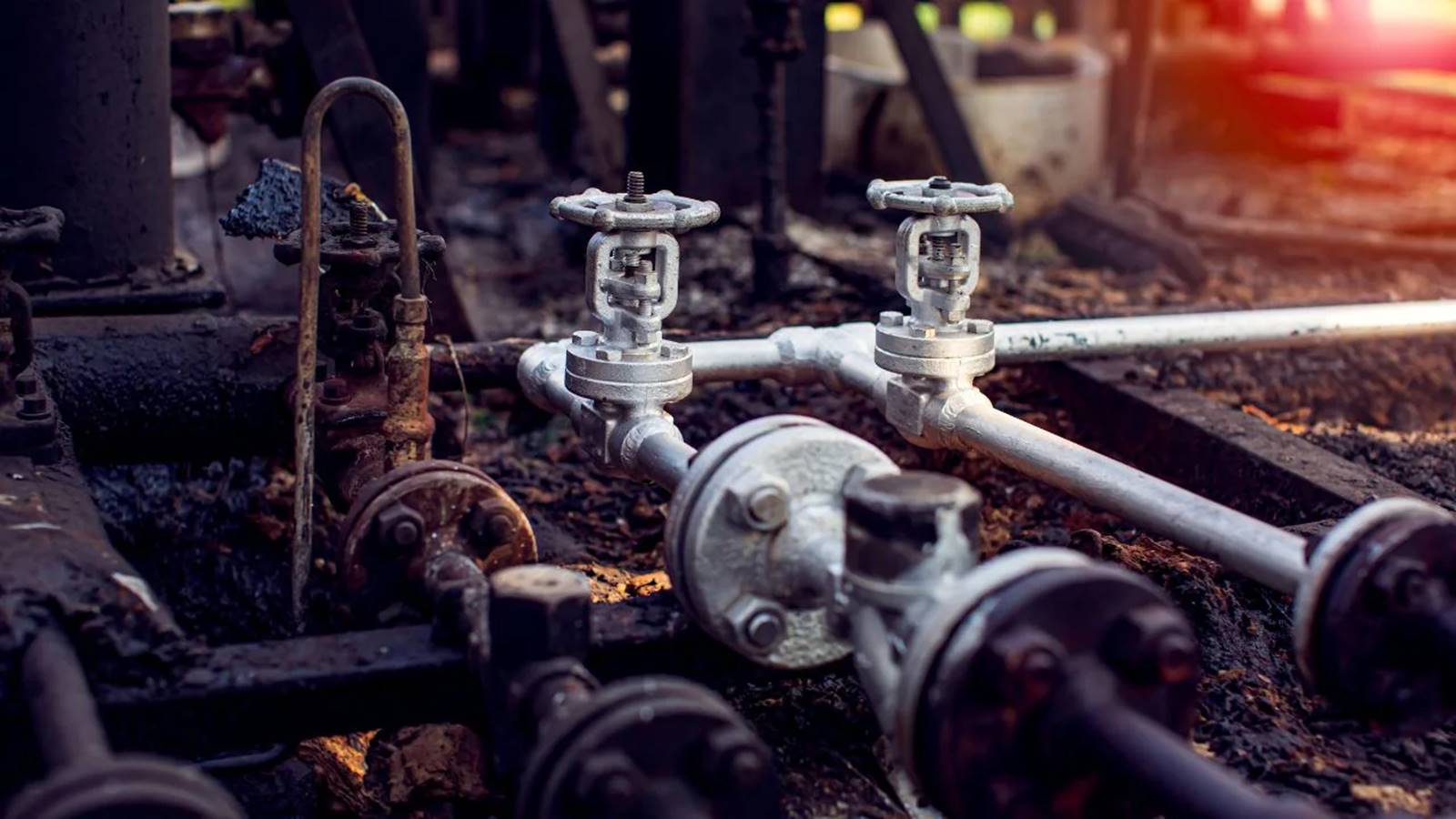
- Aging valves and seals escape rigorous inspection until a catastrophic failure forces the issue.
When specialized chemical plants handle volatile substances, equipment failure is rarely sudden. It usually follows months of overlooked warning signs, deferred maintenance, or operator fatigue. Yet, every time a leak occurs, management acts surprised.
Why Neighboring Facilities Remain Vulnerable
Industrial clusters like the one in Mahad, Maharashtra, pack dozens of hazardous processing units close together. This geographic density creates a shared danger zone.
If a toxic cloud escapes one facility, it immediately threatens workers downwind in completely unrelated businesses. Neighboring plants rarely have automated evacuation triggers linked to external chemical alarms. Workers rely on smelling something strange or seeing emergency vehicles rush past. By then, it's often too late to put on proper respiratory gear.
Accountability gets diluted in these multi-factory parks. Who monitors the safety buffer zones between competing chemical firms? Often, nobody until a tragedy forces government inspectors to visit.
What Needs to Change Right Now
Regulatory bodies need to stop accepting vague post-incident reviews. Suspending operations temporarily is just a public relations speed bump.
Real reform requires aggressive transparency. Chemical plants must open their real-time sensor logs to independent municipal oversight. Neighboring factories need shared early-warning air quality monitors that automatically sound sirens long before toxic concentrations reach lethal levels.
Until plant executives face personal criminal liability for negligence that kills people outside their gates, these preventable leaks will keep happening. Two families are grieving today while corporate boards calculate stock dips. That system is broken.