Indian Finance Minister Nirmala Sitharaman arrived in the Blue Ridge Mountains of North Carolina not merely to attend a routine multilateral conference, but to navigate an increasingly fractious global economic order. Gathering in Asheville for the G20 Finance Ministers and Central Bank Governors meeting under the United States Presidency, the world’s economic stewards faced an agenda dictated less by polite consensus and more by acute geopolitical friction. Washington’s intent for the summit was explicit from the opening gavel: push major economies to tackle persistent trade imbalances, restructure cumbersome sovereign debt architectures, and force compliance with sweeping new economic measures against Iran.
For New Delhi, the stakes of the Finance Track summit extend far beyond standard communiqué drafting. Sitharaman’s itinerary combined high-stakes multilateral diplomacy with direct corporate outreach, anchoring India's position not just as an expansive consumer market, but as a critical alternative node for advanced manufacturing and technology supply chains. Yet, beneath the diplomatic handshakes in western North Carolina lay deep structural tensions over subsidies, industrial overcapacity, and the weaponization of financial access.
The Back to Basics Doctrine
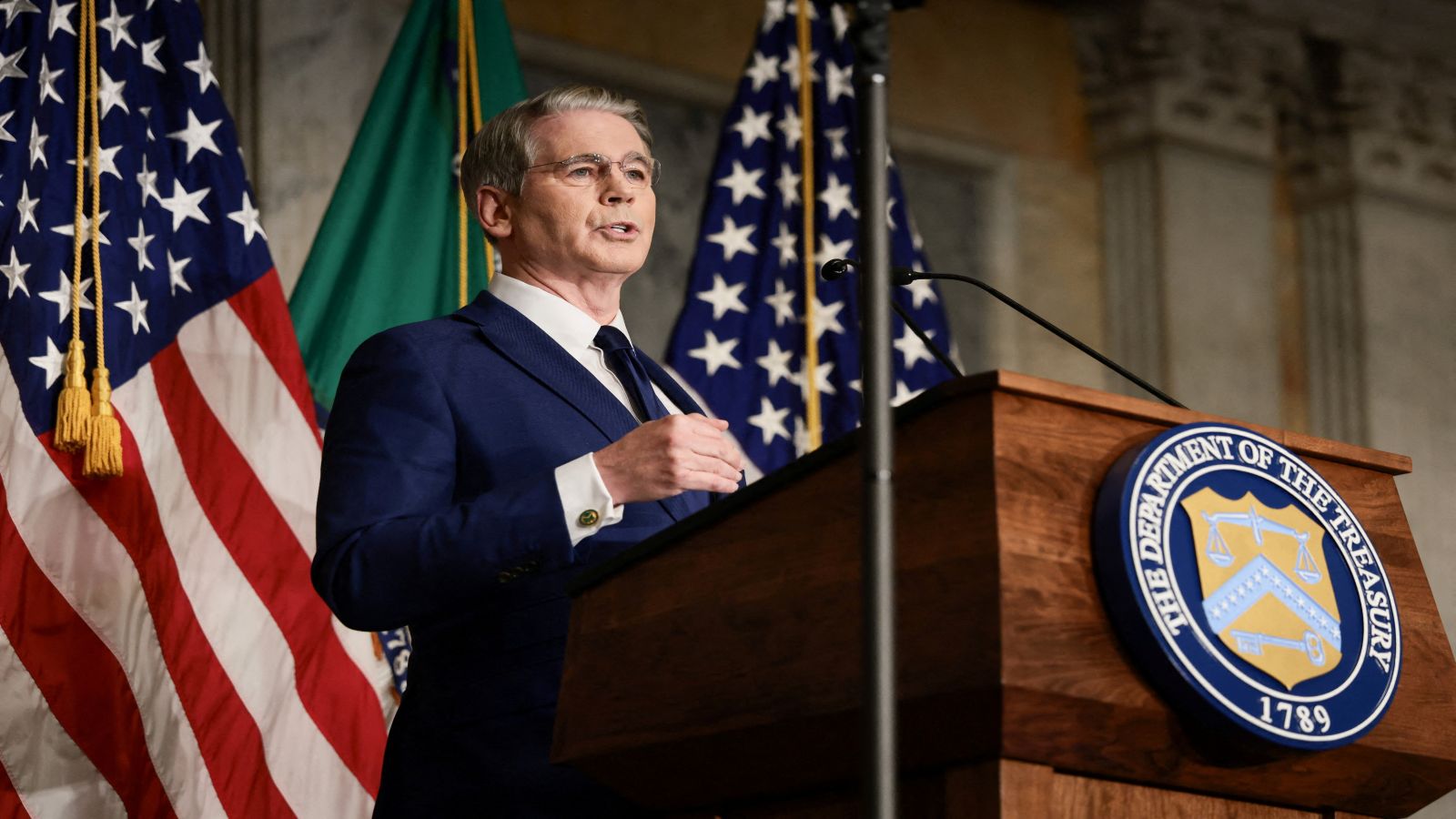
The United States Treasury, led by Secretary Scott Bessent, framed the Asheville ministerial around a doctrine of returning the G20 to basics. Gone were the sprawling, unfocused mandates of prior years. Instead, the focus locked squarely onto domestic growth, market-led innovation, and private capital deployment as the true metrics of national security.
Choosing Asheville as the host city carried deliberate symbolism. Western North Carolina was still recovering from the catastrophic impact of Hurricane Helene, and Washington utilized the backdrop to project an image of stubborn economic resilience. Behind closed doors, however, the discussions were sharp. US officials made it clear that Washington expects its G20 partners to align with its broader macroeconomic strategy, particularly regarding trade distortions originating from state-backed industrial policies.
For emerging economies like India, these American priorities require careful balancing. While New Delhi shares Washington's desire for predictable supply chains and open markets, prescriptive mandates regarding industrial subsidies can easily conflict with domestic manufacturing incentives designed to jumpstart local industrialization. Sitharaman’s diplomatic mandate involved protecting national manufacturing autonomies while remaining an active participant in global financial stability discussions.
Corporate Diplomacy on the Sidelines
While central bankers debated monetary policy inside the security perimeter, Sitharaman utilized her time outside the formal plenary sessions to lock in concrete industrial commitments. Her bilateral meeting with 3M Chairman and Chief Executive Officer William Brown exposed the practical undercurrent of the visit.
Discussions bypassed vague diplomatic talking points, focusing instead on:
- Deepening localization of research and development within Indian R&D hubs
- Scaling up regional manufacturing capabilities to feed broader Asia-Pacific supply chains
- Addressing data security frameworks to safeguard intellectual property within enterprise ecosystems
- Optimizing the domestic engineering talent pool for advanced production methodologies
By pairing her G20 duties with targeted corporate roundtables—including engagements with executives from agriculture, defense technology, and hospitality sectors—Sitharaman positioned India as a pragmatically aligned destination for capital fleeing higher-risk jurisdictions. This economic statecraft reflects a mature strategy: leverage multilateral friction to drive bilateral investment inward.
The Sanctions Shadow over Asheville
The most contentious element of the Asheville gathering did not appear on the official schedule, but dominated every bilateral interaction. Washington used the ministerial to press international counterparts on secondary sanctions related to Iran, tying continued access to the dollar-based Western financial system to strict compliance with the American containment campaign.
For economies dependent on diversified energy imports and complex regional trade networks, these pressures introduce severe operational risks. Global financial architecture relies on predictable multilateral rules, yet meetings in venues like Asheville increasingly showcase how bilateral security demands can override traditional financial multilateralism.
Sitharaman’s navigation of these competing gravitational pulls highlights the realities of modern financial governance. Emerging economies cannot afford total alignment with every Western strategic whim, nor can they afford exclusion from the primary clearing mechanisms that govern international trade.
The meetings concluded with familiar divides over how to handle structural debt relief for developing nations and how to penalize market-distorting export policies without triggering retaliatory trade wars. As delegations packed their bags to travel onward to subsequent ministerial stops and the upcoming Leaders Summit in Miami, the fundamental tension of the contemporary global economy remained entirely unresolved. Capital flows where it is welcomed, but security dictates where it is allowed to stay.