The bodies of two brothers returned to their ancestral graveyard in Soro, Mand, carrying gunshot wounds that tell a story far removed from official narratives. Imam and Muhammad Umar, two laborers who made a meager living in the Kuntani area of Jiwani, were found dead days after witnesses reported seeing them detained by Pakistani security forces at a deserted crossroads. Their deaths have reignited a fierce debate over state-sponsored extrajudicial violence and what human rights organizations describe as a systematic campaign of enforced disappearances in Pakistan's largest, most volatile province.
The official silence surrounding the incident contrasts sharply with the digital propaganda that preceded the identification of the bodies. Before the family even knew their sons were dead, state-aligned social media accounts were already celebrating the neutralization of two anonymous militants in the region. This pattern is not new. It represents a deeply entrenched doctrine where the line between counter-terrorism and the summary execution of civilians has completely evaporated.
The Fatal Fuel Stop at Balicha Cross
On a recent Friday afternoon, Imam and Muhammad Umar were making the long journey back to their home in Shaban Bazaar, Mand. They were ordinary working-class men navigating a region fractured by checkpoints and decades of insurgent warfare. Near Balicha Cross, their motorcycle sputtered to a halt, out of fuel. It was an ordinary mishap in an unforgiving geography.
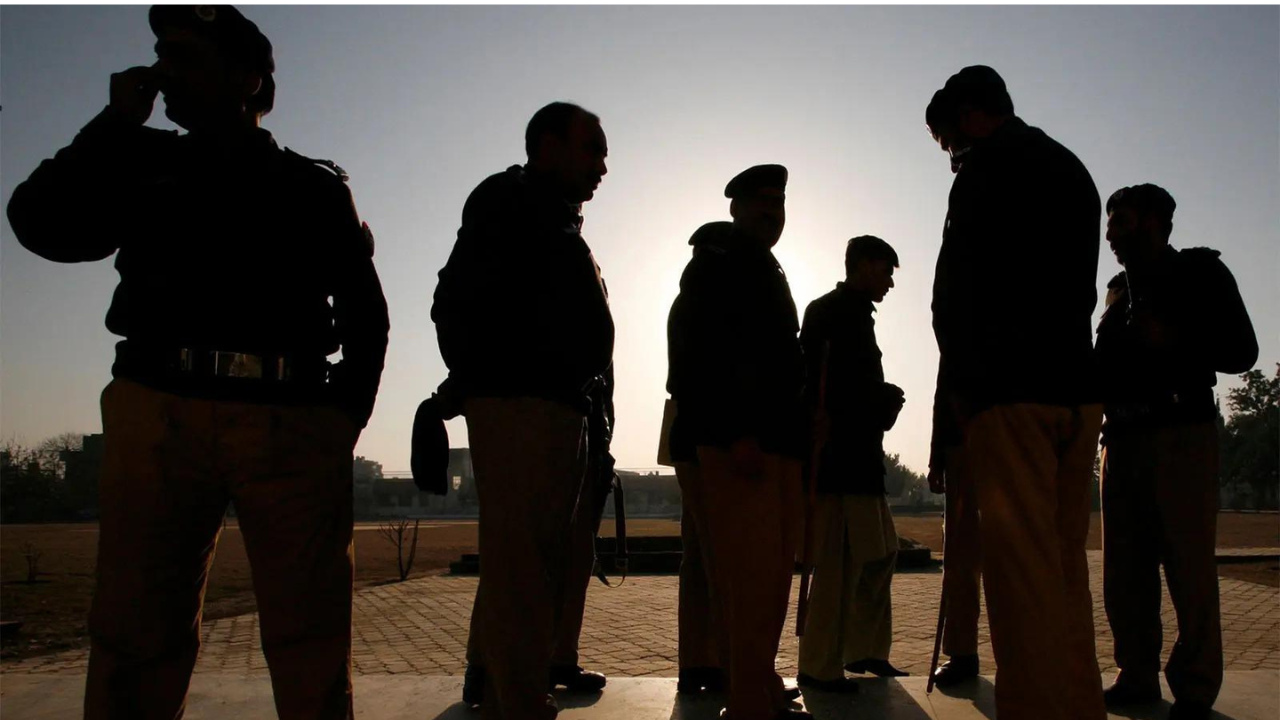
Witnesses at the scene observed security personnel approach the stranded brothers. Instead of offering assistance or conducting a routine identity check, the forces took both men into custody. They were removed from the highway, stripped of their communication devices, and driven away into a network of unaccountable detention centers.
For forty-eight hours, the family endured the agonizing silence that thousands of Baloch families recognize all too well. Hope ended on Sunday when local police handed over two bullet-riddled corpses.
The state offered no explanation. No formal charges had been filed against the brothers, no warrant had been issued for their arrest, and no judicial oversight accompanied their short, fatal detention. Human rights department Paank immediately condemned the killings, demanding an independent, transparent investigation into what it categorized as a blatant extrajudicial execution. But in Balochistan, demands for accountability usually hit a wall of absolute institutional indifference.
The Mechanics of the Kill and Dump Infrastructure
To understand why these brothers died, one must examine the broader operational framework governing Balochistan. For over two decades, human rights watchdogs have documented the phenomenon known as the "kill and dump" policy. This is not an occasional breakdown of discipline among frontline soldiers. It is a calculated strategy designed to bypass the conventional judicial system entirely.
The strategy follows a distinct, predictable loop:
- A target is identified, often on thin suspicion of sympathizing with separatist elements or simply being in the wrong place during a security sweep.
- The individual is forcibly disappeared, leaving no paper trail, no record of arrest, and no legal recourse for the family.
- The captive is subjected to intense interrogation away from public scrutiny.
- The cycle ends when the body is discovered by a roadside, in a barren ditch, or delivered directly to a local morgue by law enforcement claiming a sudden armed encounter occurred.
The Pakistani legal system has proven entirely incapable of arresting this slide into lawlessness. The Torture and Custodial Death Prevention and Punishment Act was enacted to address these exact violations, yet its implementation remains non-existent in the frontier regions. Security agencies operate with complete legal immunity, protected by an establishment that views any demand for constitutional rights as an act of treason.
The rationale behind this approach is rooted in desperation. The state faces a genuine, complex separatist insurgency that targets infrastructure and security personnel. However, instead of combatting militancy through intelligence-driven policing and rule of law, the security apparatus has opted for collective punishment. By targeting ordinary laborers, students, and activists, the state hopes to terrorize the wider population into submission. It is a policy that confuses fear with stability.
The Social Media Narrative Machine
What sets the deaths of Imam and Muhammad Umar apart is how the state attempted to control the information ecosystem surrounding their execution. Long before the police contacted the family, a coordinated campaign materialized on digital platforms. Anonymized accounts with close ties to the military establishment began circulating reports of a successful counter-insurgency operation.
These accounts claimed that dangerous terrorists had been eliminated in a fierce exchange of fire. Images of weapons staged next to unidentifiable shapes were pushed to validate the claim. This digital preemptive strike serves a dual purpose. It sanitizes the extrajudicial killing for national consumption, and it creates an immediate barrier of skepticism against any future claims of innocence raised by the family.
Once the bodies were identified as the two brothers from Mand, the state-backed narrative began to crack. Local residents, who knew the men as simple workers trying to survive an economic crisis, rejected the militant label out of hand. The discrepancy highlights a growing vulnerability in the state's propaganda infrastructure. The local population no longer believes the official bulletins. Every time an "encounter" is announced, the default assumption among citizens is that another group of missing persons has been liquidated.
This informational warfare has devastating consequences for the families of the victims. They are forced to mourn their loved ones while simultaneously fighting to clear their names of terrorism charges manufactured by the very people who killed them. The psychological toll is immense, weaponized to ensure that neighbors and relatives think twice before organizing public protests or speaking to global media outlets.
The Cost of Silencing Pakistan Restive Frontier
The long-term consequences of this governance model are catastrophic for the integrity of Pakistan as a federation. By replacing the judiciary with extrajudicial death squads, the state alienates the exact segments of society it needs to stabilize the region. Young Baloch men see no protection under the law. They look at the fate of the Umar brothers and realize that a broken motorcycle can carry a death sentence.
This existential insecurity feeds the very insurgency the military claims to be fighting. When peaceful activism is criminalized and ordinary citizens are murdered in custody, the arguments of armed separatist groups begin to sound rational to a traumatized youth population. The state is effectively acting as the primary recruiting agent for its own enemies.
Furthermore, the economic exploitation of the province deepens the resentment. Balochistan is rich in natural resources, hosting massive mining operations and international port projects like Gwadar. Yet, the local people remain among the poorest in southern Asia. Laborers like Imam and Muhammad Umar must travel hundreds of miles through dangerous corridors just to find basic employment, only to be viewed as disposable collateral damage by an occupying security force.
The international community shares a portion of the blame. Blinded by geopolitical considerations and regional security partnerships, global powers consistently overlook the human rights nightmare unfolding in Balochistan. Western capitals continue to provide security assistance and diplomatic cover to an establishment that uses those very resources to crush domestic dissent.
The cycle will not stop until the structural incentive for extrajudicial violence is removed. This requires more than just superficial judicial inquiries or statements of concern from human rights bodies. It requires an immediate halt to military-led administration in the province and the restoration of actual civilian legal authority. Those who order these secret detentions and execute unarmed civilians must face public trial in transparent courts. Until that shift occurs, Balicha Cross will remain a symbol of a state waging an endless, dirty war against its own people.


