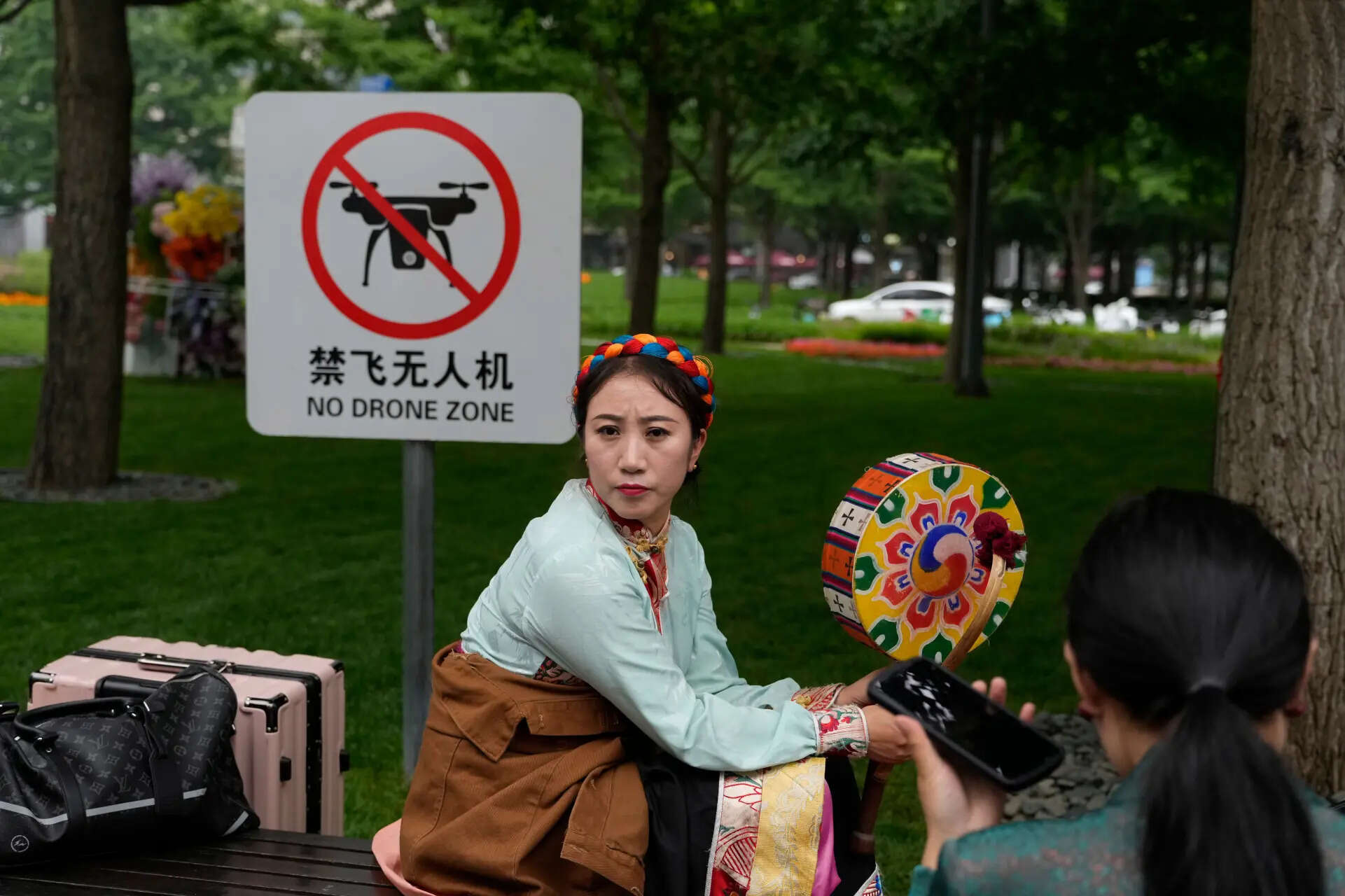
When the municipal government in Beijing drew a hard administrative line across the capital's airspace and living rooms, civilian operators realized the rules of the sky had fundamentally changed. Under newly enforced municipal revisions, keeping, storing, or even transporting a consumer quadcopter within city limits became a punishable offense. This measure went far beyond traditional flight restrictions or localized no-fly zones. It eliminated the legal right of private citizens to possess unmanned aerial technology altogether.
For years, urban drone policy relied on geofencing, registration databases, and altitude caps. Authorities expected hobbyists and commercial pilots to respect invisible software boundaries. That model failed the moment cheap consumer hardware evolved past the point of reliable interception. When airspace security meets the reality of mass-market aerial robotics, governments choose absolute containment over compliance monitoring. Beijing's sweeping mandate transformed thousands of legal owners into potential lawbreakers overnight if they failed to liquidate, scrap, or relocate their equipment. Also making news in related news: The Architecture of Urban Airspace Denial Anatomy of the Beijing Drone Ban.
The operational footprint of this policy is absolute. The ban applies across the entire municipal administrative zone, capturing residential neighborhoods, commercial districts, and transit hubs alike. Tourists arriving at railway stations or airports with photographic gear face immediate confiscation. Transit passengers passing through local terminals cannot claim an airside exemption. If a quadcopter or its core components physically cross the city boundary, the owner is in violation.
To soften the blow of forced compliance, officials introduced structured channels for disposal. State-backed buyback programs offered financial compensation for surrendered hardware, though prices dropped sharply as the deadline approached. Local marketplaces scrubbed listings for second-hand units to prevent underground trading. Owners caught holding equipment after the cutoff date face heavy fines and asset seizure. Exemptions exist, but they are tightly rationed. Only state-approved entities handling emergency response, scientific research, or public infrastructure maintenance retain the right to operate. Additional information regarding the matter are explored by Mashable.
This hardline stance highlights a growing divergence in global technology governance. While industries elsewhere race to integrate autonomous delivery fleets and aerial logistics into cityscapes, high-density political capitals view those same consumer-grade sensors as asymmetrical security threats. The era of casual urban aerial photography is over in the world's most heavily monitored metropolis. Security architects have decided that the risk of unmanaged airspace outweighs the utility of consumer innovation, leaving a quiet, empty sky over the capital.