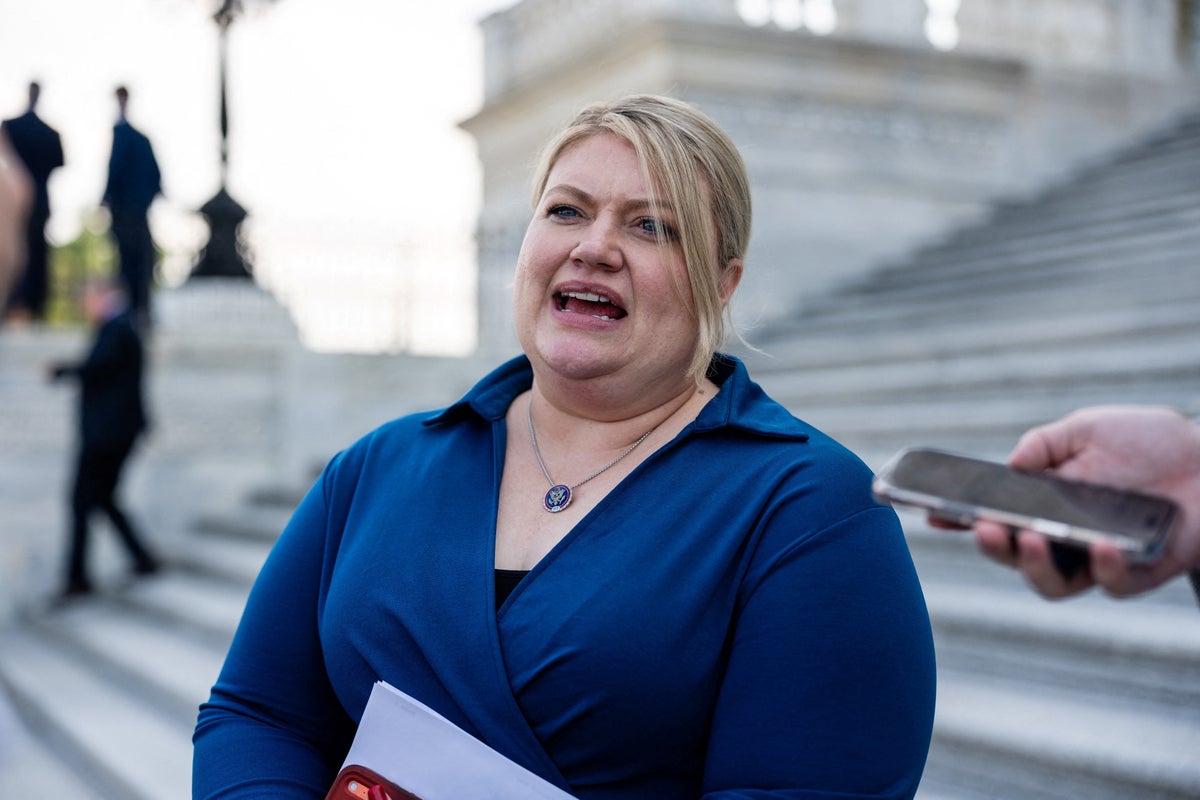
A Mother in Congress Draws the Line
When a sitting Republican lawmaker publicly admits she would discourage her own daughter from working on Capitol Hill due to a pervasive culture of misconduct, it signals a systemic breakdown that policy tweaks have failed to fix. U.S. Representative Nancy Mace sparked intense national conversation when she candidly voiced her hesitation about letting her daughter enter Congressional staff ranks. Her warning was not grounded in partisan posturing, but in the harsh reality of an environment where dynamic power imbalances, late-night legislative sessions, and informal accountability mechanisms continue to put young aides—particularly women—at risk.
The primary issue is not a lack of formal HR guidelines, but the functional immunity created by the Congressional Accountability Act framework, where individual member offices operate as isolated fiefdoms. Aides entering these offices often find that traditional workplace protections crumble when the employer is a high-ranking politician with absolute authority over their career trajectory. For a closer look into this area, we recommend: this related article.
The Isolated Fiefdoms of Legislative Power
Capitol Hill does not operate like a standard corporate enterprise. There is no central Human Resources department with the authority to discipline or fire an abusive manager or a predatory politician.
Instead, Congress is composed of 535 independent entities—the personal offices of each senator and representative, along with dozens of committee staffs. Each member functions as a chief executive with near-total discretion over hiring, firing, office policy, and internal culture. For broader information on the matter, detailed coverage can be read at USA Today.
                                    ┌─────────────────────────────┐
                                    │    535 Independent Offices  │
                                    └──────────────┬──────────────┘
                                                   │
                       ┌───────────────────────────┴───────────────────────────┐
                       ▼                                                       ▼
        ┌─────────────────────────────┐                         ┌─────────────────────────────┐
        │   Absolute Authority Over   │                         │  Informal Rules & High-     │
        │    Hiring & Termination     │                         │  Pressure Environment       │
        └──────────────┬──────────────┘                         └──────────────┬──────────────┘
                       │                                                       │
                       └───────────────────────────┬───────────────────────────┘
                                                   │
                                                   ▼
                                    ┌─────────────────────────────┐
                                    │ Severe Career Disincentive  │
                                    │    for Reporting Abuse      │
                                    └─────────────────────────────┘
This structure breeds severe vulnerabilities:
- Career Bottlenecks: A single negative word from a chief of staff or member can derail a young staffer’s political career before it begins.
- Insular Oversight: Complaints made against a senior staffer or member are frequently handled internally to avoid public scandal.
- Hyper-Competitive Environment: Hundreds of eager, underpaid applicants compete for entry-level positions, making current aides feel entirely replaceable if they raise concerns.
This dynamic creates an ecosystem where misconduct thrives quietly. Staffers are trained early on to prioritize loyalty to the office above personal comfort or safety.
Why Reform Attempts Keep Missing the Mark
Congress tried to address these issues in the wake of public outcry several years ago, reforming the Office of Congressional Workplace Rights (OCWR). The revisions eliminated mandatory cooling-off periods and mediation requirements that previously forced victims to wait months before filing a formal complaint.
Yet, these administrative updates failed to address the root causes of the problem.
| Mechanism | Old System | Current Reform | Operational Reality |
|---|---|---|---|
| Reporting Process | Mandatory 30-day counseling & mediation | Direct filing permitted | Fear of career fallout deters initial filings |
| Financial Liability | Taxpayers paid all settlements | Members pay for personal harassment claims | Offices obscure non-physical misconduct claims |
| HR Authority | Non-existent central authority | Advisory-focused OCWR | Members retain total firing autonomy |
The reform focused heavily on financial liability for sexual harassment settlements, ensuring taxpayers were no longer automatically on the hook when a politician was personally accused. While financially accountable, the system still leaves victims professional casualties. Reporting a powerful lawmaker or a well-connected chief of staff remains professional suicide for a junior staffer.
The Invisible Price Paid by Junior Staff
Consider a hypothetical scenario that reflects the common operational realities of congressional staff life: A 23-year-old legislative assistant attends an after-hours networking event hosted by a senior lobbyist and several congressional chiefs of staff. Alcohol flows freely. Boundary-crossing comments occur. If the assistant speaks up, she risks losing her security clearance access, her line-item portfolio, or being quietly pushed out through unrealistic performance metrics.
The incentives are entirely stacked against reporting.
"The true currency of Capitol Hill is access and discretion. The moment you are labeled 'difficult' or 'not a team player,' your access vanishes, and with it, your career in national politics."
💡 You might also like: The Illusion of the Blue Line and the True Cost of Crossing It
The toxic workplace environment drives out high-performing talent, replacing them with aides willing to tolerate boundary violations in exchange for proximity to power. This turnover erodes the institutional knowledge of Congress, leaving junior staff dependent on outside lobbyists for policy expertise.
Structural Changes Required for Real Safety
Fixing the workplace culture on Capitol Hill requires moving beyond superficial training modules and addressing the structural power imbalance directly.
1. Establish an Independent Inspector General for Staff Welfare
The Office of Congressional Workplace Rights lacks genuine prosecutorial authority over workplace environment standards. An independent Inspector General with the power to conduct unannounced audits, inspect office turnover rates, and take anonymous testimony could identify toxic offices before egregious abuse occurs.
2. Standardize Termination and HR Oversight
While members of Congress must maintain control over their legislative strategy, raw administrative HR authority over baseline employee safety should be centralized. Termination of staff following internal complaints should require third-party review to prevent retaliatory firing.
3. Create External Whistleblower Channels
Staffers need a secure, encrypted mechanism to report non-criminal misconduct, toxic work environments, and harassment directly to a non-partisan ethics body without notifying the member's immediate leadership team.
The frank assessment offered by a mother serving within the halls of Congress underscores a truth long kept behind closed doors: until Congress surrenders its unique exemption from real workplace accountability, it will remain an environment where the nation's laws are drafted under conditions that violate basic standards of worker safety.