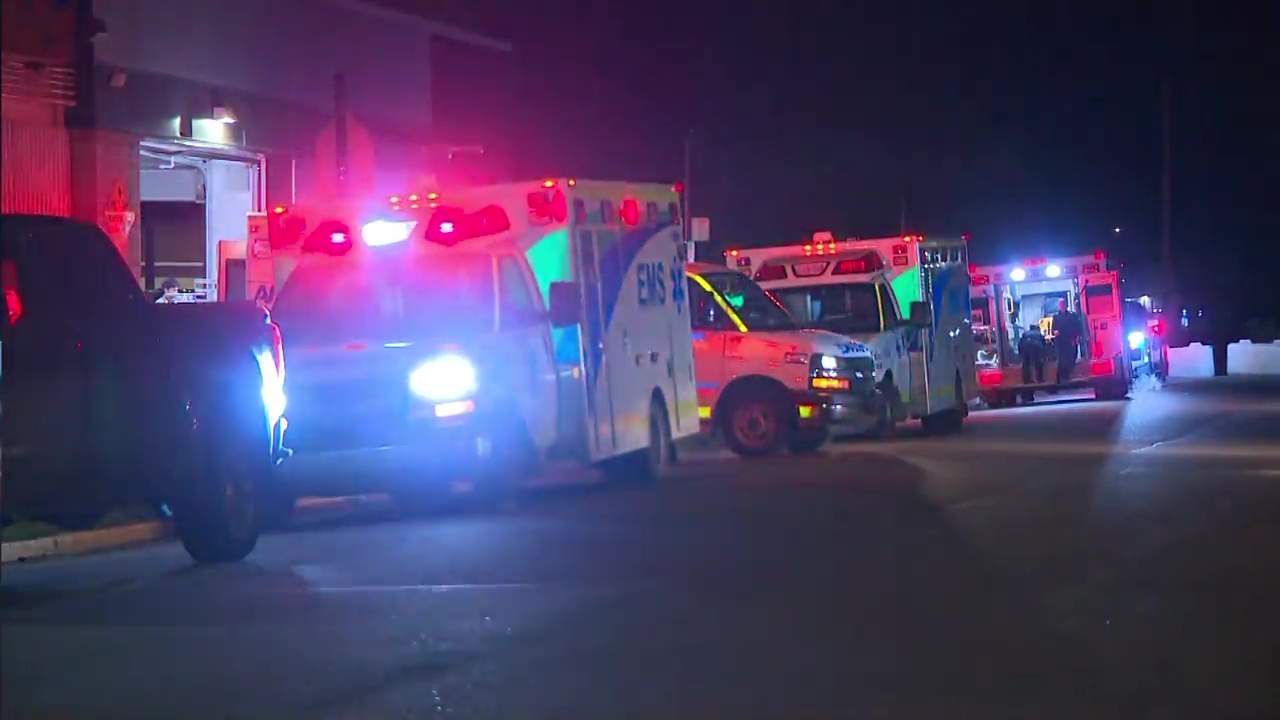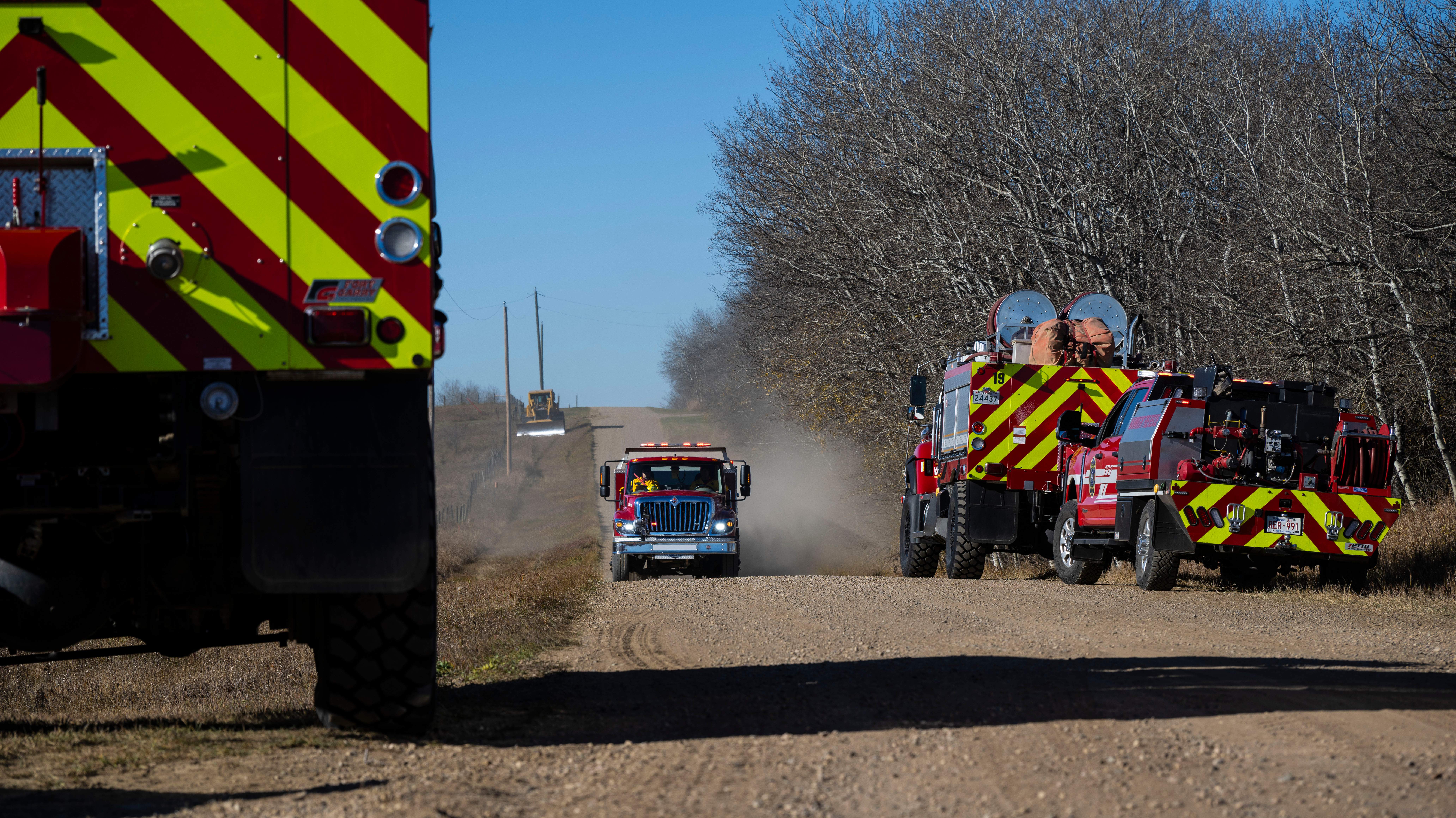
Five Canadian soldiers are dead and dozens more burned after an October 17, 2026, training fire at CFB Wainwright tore across central Alberta grasslands.
Early wire dispatches called it a deadly explosion and fire. That framing is wrong. According to the Canadian Forces Provost Marshal, there was no indication of explosions or oil and gas infrastructure involvement. Instead, a grassfire sparked on an automatic grenade launcher range and was driven into troops by brutal winds. One month later, with Private William Douglas Dal Bianco having died on November 13 from his injuries, the real story is not a mysterious blast. It is a collision of prairie meteorology, range logistics, and institutional blind spots.
Why Early Explosion Claims Missed the Real Danger
Initial reports leaned toward explosions because live-fire exercises and smoke plumes on a military base naturally trigger that assumption. Yet when the smoke cleared on the automatic grenade launcher range, investigators pointed to an ignition source in dry grass and a fire that crews could not reach quickly.
In high-intensity infantry drills, live ordnance creates heat and sparks in terrain where unexploded ordnance or range rules restrict immediate ground entry. That is standard operating reality on a training range. When dry autumn prairie grass catches a spark, the range itself becomes a barrier to rapid suppression.
A grassfire driven by shifting prairie winds does not need a detonation to become lethal. It only needs dry fuel, open terrain, and time.
Calling the event an explosion distracts from a much harder question. Why were soldiers operating in conditions where a fast-moving grassfire could overtake them? Military training inherently carries risk, as senior commanders have noted. Still, risk management only works when warnings translate into field action before visibility drops and flames outpace boots on the ground.
Weather Warnings and Remote Forecasting Limits
Environment Canada had been forecasting strong winds ahead of October 17, with gusts projected to climb and shift direction from southwest to west. By early afternoon, a yellow wind warning signaled hazardous gusts.
On paper, CFB Wainwright has weather monitoring and standing orders requiring Range Control to receive forecasts twice a day. In practice, satellite data and weather records show a two-kilometre stretch of fire around noon as winds built and a sharp cold front approached. Wildfire researchers have described that setup as a classic warning sign when grass is already burning.
Remote forecasting adds another layer of friction. Environment Canada confirmed no meteorologist was stationed at Wainwright that day, with remote support coming from CFB Gagetown in New Brunswick. A distant forecaster can read pressure charts and wind models. They cannot smell smoke on the range or feel how fast cured grass is drying out under a specific afternoon sun.
- Forecast lead time: Warnings of strong winds and a directional shift arrived well before the worst afternoon gusts.
- Local vs. remote eyes: Remote meteorological support cannot replace on-site situational awareness when a live grassfire is already active.
- Wind shift hazard: A turn in wind direction can turn a flank into a headfire in minutes, trapping troops who thought they had clearance.
Anyone who has watched a prairie grassfire in stiff gusts knows how deceptive the edge looks. Flames can creep low in thick grass or surge ten times faster when a gust hits. Relying on scheduled twice-daily briefings on a day of escalating wind alerts creates a dangerous lag between forecast and reality.
Oil Wells, Regulators, and Overlapping Hazards
The tragedy at CFB Wainwright also pulled civilian energy oversight into the spotlight. Days before the fire, the Alberta Energy Regulator placed assets belonging to Sumerian Oil and Gas—including more than three hundred well licences on the base—under the Orphan Well Association following enforcement actions.
Military officials stated that oil and gas infrastructure was not involved in the fire. Sumerian Oil and Gas countered that its wells in the fire zone were not properly shut in before the blaze and warned the emergency line that night. Meanwhile, energy specialists have pointed out that oil and gas infrastructure is scattered across Alberta landscapes where wildfire intensity is rising.
| Factor | Military Account | Counterpoint or Complication | Practical Implication |
|---|---|---|---|
| Cause of harm | Grassfire sparked on range; rapid wind spread | Early reports cited explosions; three investigations ongoing | Focus must stay on fire spread and range safety |
| Weather & fire | Uncommonly strong winds shifted fire direction | Forecasts warned of strong gusts; no on-site meteorologist | Faster abort thresholds needed during wind shifts |
| Energy infrastructure | No indication oil and gas was involved in fire | Operator disputed well shut-in status amid enforcement clash | Clearer emergency coordination on multi-use bases |
Even when energy infrastructure does not ignite a fire, overlapping industrial sites on training land complicate emergency response. Every wellhead, pipeline marker, or access road changes how responders route equipment and assess hazard zones during a fast-moving brush fire.
Medical Strain and the Long Tail of Recovery
Thirty-nine soldiers were initially injured in the fire. By mid-November, twenty-three remained hospitalized across Alberta, British Columbia, and Ontario, with several still in critical condition after severe burn injuries.
Severe thermal burns test a health system like few other injuries. Treatment requires specialized burn units, repeated surgeries, infection control, and months of rehabilitation. When dozens of severely burned patients arrive from a single event, even strong provincial hospital networks feel the strain, prompting military medical reinforcements and new public tracking of recovery updates.
Recovery does not end at hospital discharge. Advocates and family supporters have pressed provincial and federal leaders for structured peer networks, clear recovery navigation, and stronger mental health support for wounded troops, first responders, and families. Reserve pay disparities and long-term care pathways have also surfaced as tough institutional questions alongside the formal investigations.
What Investigations Must Answer Next
Three separate inquiries are examining what unfolded at CFB Wainwright. To prevent another repeat, those reviews need clear, unvarnished answers on three operational points:
- Abort triggers: Under what exact wind speed, humidity, or active-fire conditions must live-fire and field exercises halt immediately?
- Range access: How can units monitor and contain grassfires on ranges where crews cannot safely enter during active firing?
- Command clarity: How are weather alerts, on-ground fire observations, and base infrastructure hazards synthesized in real time for commanders in the field?
Honouring Sergeant Morgan Wong, Private Shaun Farrell, Private Aidan Goulding, Private Hayden Lykkemark, and Private William Douglas Dal Bianco requires more than solemn ceremonies and grief. It demands hard operational changes before the next dry wind sweeps across a training range.