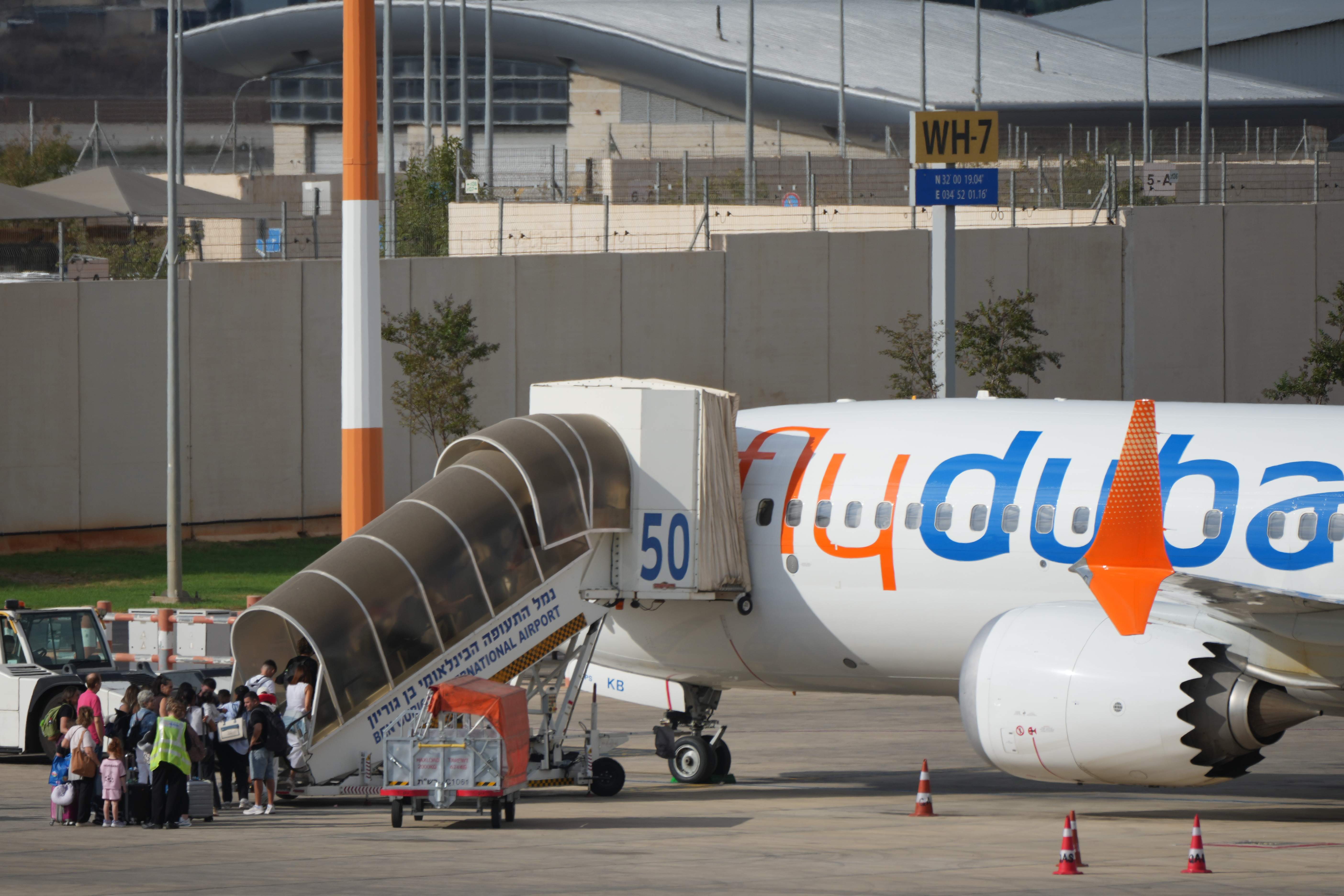
Commercial aviation relies on a foundational, unbreakable assumption: the people locked inside the flight deck share one absolute priority. They want to land the plane safely. When Flydubai flight 1073 headed toward Tel Aviv with roughly 160 Israeli citizens on board, that assumption shattered at 35,000 feet.
Israeli Prime Minister Benjamin Netanyahu later confirmed what passengers suspected during those terrifying minutes. The co-pilot allegedly turned on the captain, launching a brutal knife attack inside the cockpit and sending the aircraft into a violent, 17,000-foot plunge over Saudi airspace. Building on this topic, you can also read: The Sixty Minute Mercy.
What actually happened inside that confined space? And how did ordinary travelers prevent a catastrophic disaster?
The Anatomy of a Mid-Air Cockpit Attack
The flight started like any other routine regional connection from the United Arab Emirates. But deep into the journey, a violent struggle erupted between the captain, Smit Machchhar, and the co-pilot. Observers at TIME have also weighed in on this trend.
According to investigations and survivor accounts, the co-pilot—identified by officials as an Omani national—suddenly assaulted the captain. Despite sustaining severe stab wounds, Captain Machchhar fought back fiercely, managing to crack open the cockpit door latch.
That single action saved the flight.
The chaos spilled outward. Passengers and crew heard the frantic screams and realized something catastrophic was unfolding up front. As the aircraft abruptly pitched downward, plummeting thousands of feet in mere minutes, a handful of passengers—including a vacationing plumber and other travelers—forced their way past the barrier.
Yaniv Hayoun, one of the passengers who stormed the cockpit, described putting the attacker in a chokehold and dragging him away from the flight controls. The attacker was actively trying to smash instrument panels to disable the aircraft. With the assailant subdued on the floor, untrained passengers grabbed controls blindly or assisted crew members until stability could be restored.
The plane ultimately diverted to Tabuk Airport in Saudi Arabia, where local security forces took the co-pilot into custody.
Motives, Radicalization, and State Security
In the aftermath, global intelligence and political leaders scrambled to parse the threat. Netanyahu stated publicly that preliminary findings point toward radical indoctrination, suggesting the co-pilot may have been acting out of extremist motivations or severe psychological distress.
Security analysts immediately pointed to the severe geopolitical backdrop. The attack occurred near the sensitive anniversary of the October 7 conflicts, heightening anxiety across the Middle East. Israel even temporarily scrambled warplanes out of fear that the flight was part of a coordinated hijacking plot.
Yet, investigators noted that the incident bore the markers of a lone-wolf actor or a suicide attempt disguised as terror, rather than an organized military hijacking. Flydubai responded swiftly by suspending its routes into Israel, while aviation regulators worldwide began re-evaluating the vulnerabilities of modern cockpit security protocols.
The Uncomfortable Question of Modern Cockpit Access
Post-9/11 aviation security focused heavily on keeping unauthorized people out of the flight deck. Steel doors, deadbolts, and strict entry procedures became standard across global fleets.
This incident exposes the terrifying inverse of that design. When the threat originates from inside the flight deck, a locked door transforms from a protective shield into a lethal cage. The wounded captain had to manually scramble to keep the latch from sealing permanently, and outside help required brute force to breach the cabin.
Airlines now face an impossible engineering and psychological dilemma. How do you design a barrier that protects against external threats while allowing crew members to intervene when a pilot goes rogue?
For Flight 1073, the answer came down to raw human intervention. It took a bloodied captain refusing to yield, alongside passengers willing to risk their lives in an airborne brawl, to keep a commercial jetliner from becoming a weapon.