When a powerful 7.4-magnitude earthquake struck western Colombia, shattering buildings across cities like Cali and Pereira and killing over 250 people, the immediate media response focused on heartwarming individual survivals. Yet beneath the headlines of miraculous extractions lies a brutal infrastructural reality. Thousands remain missing, and the disaster has exposed severe systemic vulnerabilities in the region's urban planning, emergency response networks, and structural engineering compliance.
Earthquakes do not kill people uniformly; poor building standards and delayed logistical access do.
The Physics of Failure
To understand why urban centers suffered such extensive devastation, we must look at the structural mechanics of buildings in the affected coffee-growing heartland. Many older residential blocks and commercial structures lacked the modern seismic retrofitting required in active tectonic zones. When the tremor hit near the Pacific coast, shear forces overwhelmed unreinforced masonry and outdated concrete frames.
Pancaking—where floor slabs collapse directly on top of one another—created pockets of air while simultaneously trapping victims under thousands of pounds of dense concrete.
Emergency responders faced immediate hurdles. Roads were fractured, electricity grids collapsed, and several regional airports were forced to close due to runway and terminal damage. This isolation turned the critical first forty-eight hours into a localized scramble. Neighbors, volunteers, and civilian brigades were forced to act as the primary first wave of rescue operations, digging through twisted steel and pulverized brick with their bare hands before heavy machinery could arrive.
Political Pressure Points
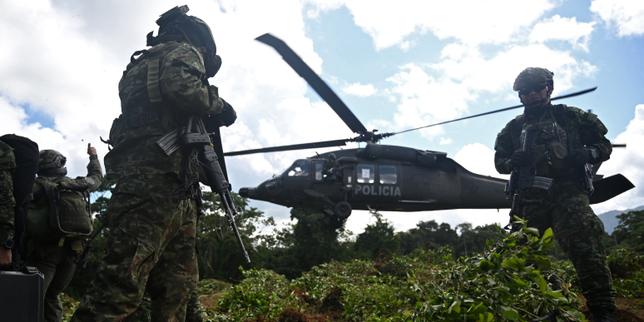
The timing of the disaster added an intense political dimension to an already chaotic humanitarian crisis. President Abelardo de la Espriella had taken office just days prior to the tremor. Thrust immediately into a massive national emergency, his administration declared a state of disaster and rushed military personnel, engineers, and search dogs to the worst-hit zones.
Comparisons across Latin America quickly surfaced. Regional analysts noted a stark contrast with the sluggish, opaque official reactions seen during recent major disasters in neighboring nations. Speed matters in search-and-rescue work, but early administrative visibility can mask the grueling long-term reality of reconstruction.
Swift executive decrees and emergency funding injections—such as the $15.5 million allocated by the United States and millions more mobilized through international banking channels—provide immediate relief for temporary shelter and medical supplies. However, cash flow alone cannot rebuild compromised municipal infrastructure or instantly restore fractured water and healthcare networks.
The Long Road of Recovery
As the search for survivors transitions into body recovery and structural damage assessment, the true cost of the disaster comes into focus. Thousands of families are displaced, staring down months or years of temporary housing arrangements.
Municipal leaders in Cali and Pereira face mounting pressure to enforce stricter building codes during the upcoming reconstruction phase. Simply replacing what was lost with the same materials invites future tragedy. True recovery requires integrating modern engineering techniques that can withstand high-magnitude seismic events without catastrophic failure.
The human element remains at the forefront, but the underlying systemic flaws demand permanent reform. Unless urban architecture adapts to the physical reality of a tectonic landscape, every future tremor will threaten a repeat of this crisis.