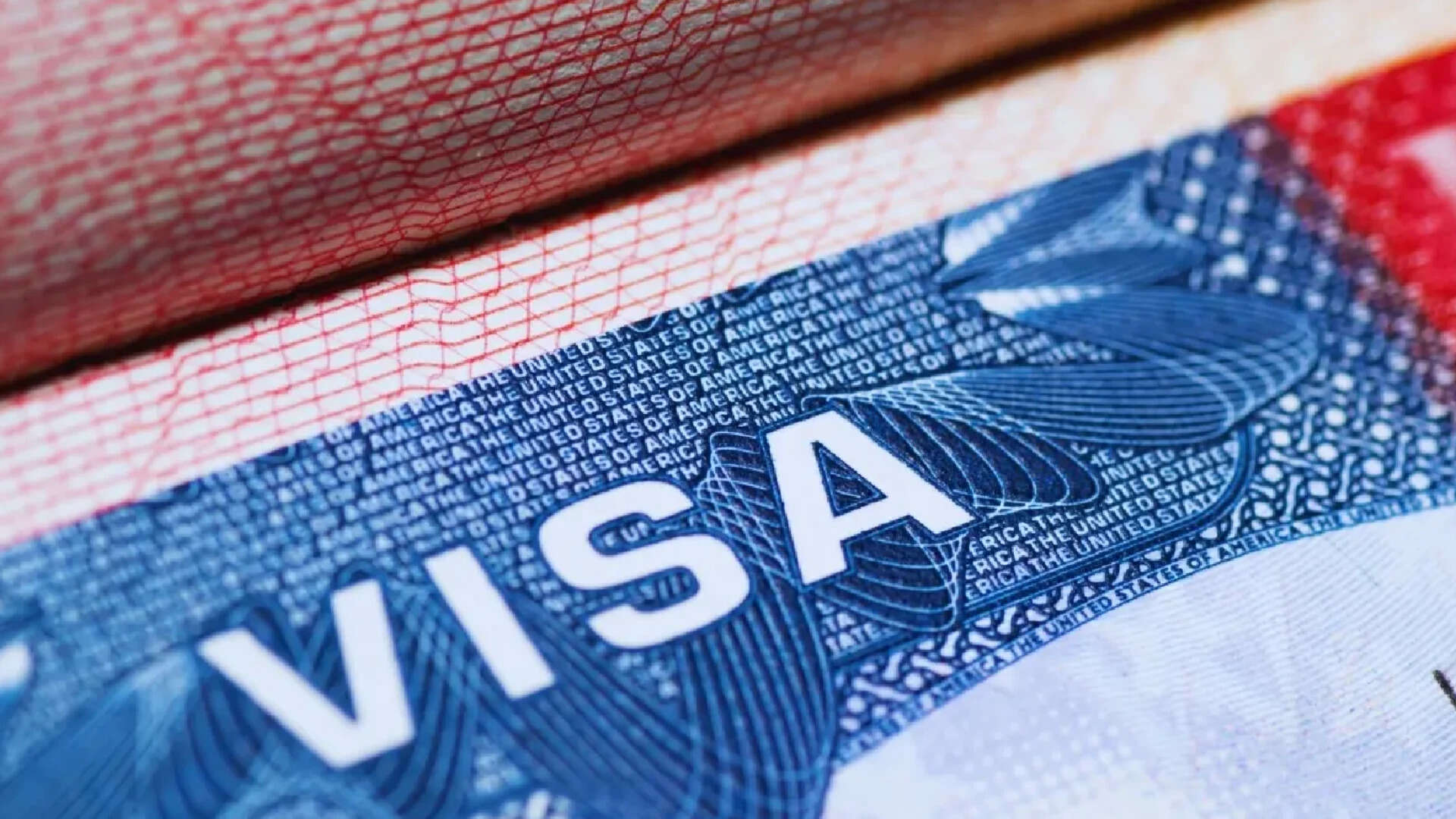
A quiet administrative directive has fundamentally upended the US visa interview. Consular windows across India and the globe are no longer just evaluating employment letters, university fat letters, or bank accounts. They are probing the psychology of fear.
Every applicant seeking a non-immigrant visa—whether an elite H-1B software engineer, a prospective Ivy League student, or a grandmother planning a three-week holiday—now faces an explicit, two-pronged interrogation. Have you experienced harm or mistreatment in your home country? Do you fear harm or mistreatment upon your return? For an alternative view, check out: this related article.
An affirmative answer to either question, or a simple refusal to answer, triggers an immediate, mandatory visa denial.
The Invisible Filter
This policy shift, executed via an internal State Department cable, targets the legal doctrine of non-immigrant intent. Under Section 214(b) of the Immigration and Nationality Act, temporary visitors must prove they possess strong economic and social ties to their home country that will compel their departure from the United States. Related coverage on this matter has been provided by Reuters.
The new verbal screening bypasses the lengthy, written DS-160 application entirely. Consular officers are mandated to ask these questions aloud and log the verbal responses directly into the internal case management system.
The strategy is legally efficient. By forcing an applicant to state they have experienced no harm and fear no return, the US government establishes a baseline of testimony. If that individual later arrives on American soil and attempts to claim asylum, the initial consular denial or the recorded "no" serves as immediate impeachment evidence. An applicant who admits to fear is denied on the spot for lacking non-immigrant intent. An applicant who hides their fear to secure a visa faces a permanent lifetime bar for willful misrepresentation of a material fact if they apply for asylum later.
The trap is total.
                  [ Visa Interview ]
                          |
             +------------+------------+
             |                         |
       Answers "YES"             Answers "NO"
     (or refuses answer)               |
             |                         v
             v                 [ Process Continues ]
      Immediate Denial                 |
     (Section 214(b)/221(g))           v
                               [ Arrives in US ]
                                       |
                              +--------+--------+
                              |                 |
                        Stays Legally     Seeks Asylum
                              |                 |
                              v                 v
                        Normal Exit       Impeached via
                                          Consular Notes
                                          (Fraud/Perjury)
Collateral Damage in the Corporate Pipeline
While the policy aims to intercept potential asylum seekers at the source, its implementation creates significant complications for multinational corporations and high-value tech workers. Dual-intent visas like the H-1B and L-1 are legally structured to allow foreign nationals to work in the US while simultaneously pursuing permanent residency. Historically, these applicants were exempt from the strict home-residency presumptions of Section 214(b).
The new directive ignores this nuance.
While an H-1B holder cannot easily be denied under 214(b) for lacking ties to their home country, immigration attorneys report that affirmative answers from corporate transferees are instead resulting in immediate administrative processing holds or refusals under Section 221(g). A tech worker from an area experiencing regional unrest or political volatility cannot simply answer honestly about a localized threat without freezing their corporate trajectory.
The corporate immigration pipeline functions on predictability. This policy introduces a variable that corporate legal teams cannot prep away with a standard employment verification letter.
The Definition Gap
The most pressing vulnerability for everyday applicants lies in the complete lack of legal definitions provided during the window interview. To a federal immigration judge, "harm or mistreatment" implies a high legal threshold: systemic, state-sanctioned persecution, human trafficking, or severe physical violence tied to a protected social class.
But a regular visa applicant does not speak fluent immigration law.
An applicant might interpret "mistreatment" as a recent corporate layoff, an aggressive bureaucratic dispute over local property, or generalized urban crime. Venting about an everyday grievance at the visa window can now be misconstrued as an admission of systemic vulnerability. The consular officer will not offer a legal seminar. They will simply press the denial key.
Conversely, individuals who have survived genuine domestic abuse, localized political targeting, or systemic discrimination face an impossible calculation. Admitting the reality of their situation guarantees an instant denial, closing off legal pathways for business travel, education, or temporary escape.
The Bureaucratic Weaponization of Consular Notes
Consular absolute power is a defining feature of US immigration law. Under the doctrine of consular nonreviewability, a visa refusal by a foreign service officer cannot be appealed in US courts. There is no judicial oversight for what happens during those ninety seconds at the window.
This structural lack of accountability creates a dangerous environment when combined with mandatory verbal screening. Consular notes are permanent. If an officer notes that an applicant hesitated, appeared evasive, or gave a nuanced answer regarding regional safety, that note remains attached to the individual's global biometric profile.
The policy effectively transforms the consulate from a processing center into an intelligence-gathering outpost designed to build a preemptive case against future asylum claims. It assumes bad faith from the outset, operating on the premise that large volumes of temporary visa applicants are attempting to misrepresent their true operational intent.
The math is simple for the State Department. It is far cheaper and politically cleaner to deny a visa in New Delhi, Mumbai, or London than it is to process an asylum claim within the heavily backlogged domestic court system. The fact that this preemptive filter catches thousands of legitimate business travelers, students, and family members in the crossfire is viewed not as a policy failure, but as a minor consequence of border enforcement.
Preparation for the modern visa interview is no longer just about proving wealth or professional competence. It requires a flawless navigation of an applicant's own personal history. A single misstep regarding the realities of life in one's home country will end a global career before it even begins.