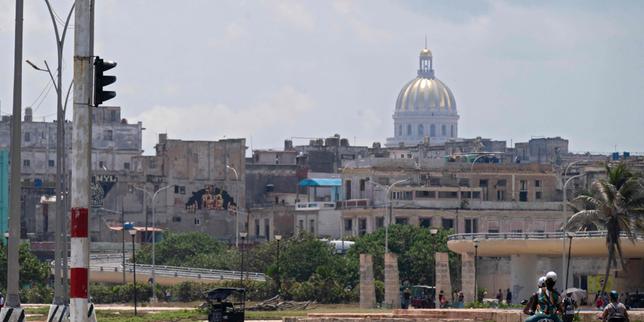
At 11:05 a.m. on Tuesday, Cuba plunged into total darkness for the third time in less than ten days, a catastrophic system-wide failure that left ten million people without electricity. The immediate trigger was a sudden frequency shift caused by the unexpected failure of the Felton 1 generating unit. However, the true cause of this unprecedented energy crisis lies deeper than failing machinery. A crushing United States oil blockade, coupled with decades of deferred maintenance on plants built during the Soviet era, has systematically starved the island’s electrical grid of both fuel and essential parts.
The breakdown represents the fifth nationwide blackout this year, exposing a humanitarian and infrastructure emergency that goes far beyond simple utility management.
The Sudden Silence of Felton One
The National Electric System, known locally as the SEN, operates on a razor-thin margin where any unexpected shift in load or generation can trigger a cascading failure. When the Felton 1 unit in eastern Cuba dropped offline unexpectedly on Tuesday morning, it did not just take its own megawatts with it. It caused an immediate, violent oscillation in the grid's electrical parameters.
Grid stability requires an absolute balance between power generation and demand. When a massive unit like Felton 1 fails, the system frequency drops instantly. Automated safety relays across the island trip to prevent total destruction of the remaining turbines. This safety mechanism, meant to protect individual assets, creates a domino effect. Within minutes of the initial failure, every major thermal plant on the island disconnected, turning the lights off from Pinar del Río to Santiago de Cuba.
The state-run electrical union, UNE, immediately began the slow, delicate process of building regional microsystems. These are isolated electrical islands powered by decentralized diesel generators and small solar arrays, intended to provide just enough power to jumpstart the large thermoelectric plants.
It is a grueling task. Electrical workers must carefully synchronize these small pools of energy before they can even think about bringing the massive boilers at the Antonio Guiteras or Felton plants back online. If they move too fast, the grid collapses again, forcing engineers to start from scratch.
The Anatomy of an Islanded Grid
To understand why a single equipment failure can turn off an entire country, one must look at the physical age of Cuba's energy infrastructure. The backbone of the island's electricity generation relies on eight thermoelectric plants built between the 1960s and the 1980s. These facilities have long outlived their engineered operational lifespans.
Maintenance on these plants requires specialized steel alloys, proprietary turbine blades, and precision electronics that Cuba cannot easily buy on the international market. Because of long-standing financial restrictions, repairs are often improvised. Plant technicians frequently manufacture temporary replacement parts by hand in local workshops, keeping machines running through sheer mechanical ingenuity rather than proper engineering cycles.
Furthermore, these thermal plants were designed to burn heavy domestic crude oil, which has a exceptionally high sulfur content. Burning this low-grade fuel accelerates the corrosion of boilers, pipes, and exhaust systems, creating a cycle of constant leaks and thermal inefficiency. The Antonio Guiteras plant in Matanzas, for example, has suffered repeatedly from boiler tube leaks that take days to patch, only to fail again weeks later under the strain of continuous operation.
The alternative is utilizing decentralized generator sets, which run on higher-quality diesel or fuel oil. During the mid-2000s, the government installed thousands of these smaller engines across the country to reduce reliance on the centralized grid. This decentralized system worked well when fuel flowed freely, but today it faces an insurmountable bottleneck: there is simply nothing left to pump into their tanks.
Washington Tightens the Noose
While mechanical decay provides the spark for these blackouts, the current US administration's geopolitical strategy provides the fuel—or rather, the total lack of it. In January of this year, Washington implemented an aggressive fuel blockade by issuing Executive Order 14380, declaring Cuba an extraordinary national security threat. This policy targeted the island’s vital energy supply lines with unprecedented precision.
For decades, Cuba relied on heavily subsidized oil shipments from Venezuela to meet its baseline energy needs. Following the US-backed removal of the Venezuelan administration in early January, those shipments ground to a near-total halt. Mexico’s state-owned Pemex attempted to step into the void, but quickly backed away after Washington threatened to impose sweeping tariffs on any nation or company that facilitated oil transport to Havana.
The economic fallout of this strategy has been immediate. Estimates suggest Cuba’s total imported fuel supply contracted by roughly 90 percent over the course of a few weeks. Without the constant arrival of tankers at the ports of Havana, Cienfuegos, and Santiago, the island's storage tanks ran dry, leaving the energy sector to operate entirely on what little domestic crude could be extracted and a handful of rationed shipments from distant allies.
United States officials argue that these measures are intended to pressure the Cuban government into enacting sweeping political reforms and releasing detainees. However, the immediate victims of this economic warfare are not the political elite, who rely on dedicated backup generators, but ordinary citizens enduring sweltering heat without refrigeration, running water, or functional medical facilities.
Life in the Dark
When the power grid fails in Cuba, the entire fabric of daily life unravels simultaneously. Water distribution systems rely entirely on massive electric pumps to move water from underground aquifers to municipal networks and rooftop tanks. When the electricity cuts out, water stops flowing. In many neighborhoods across Havana, residents report going weeks without running water, forcing families to buy expensive water from private trucks or carry heavy buckets from communal cisterns.
Food preservation has become a luxury. In a country where food shortages are already severe, a multi-day blackout means whatever little meat, dairy, or produce a family has managed to secure spoils within hours. The constant hum of private gasoline generators can be heard outside a few high-end restaurants and foreign embassies, but for the average citizen, the only option is to watch their food rot while sitting on doorsteps to escape the suffocating heat of unventilated apartments.
The healthcare system faces the most harrowing challenges. While major hospitals are equipped with emergency diesel generators, these machines are not designed for long-term, continuous operation. Fuel rationing means doctors must make impossible choices, prioritizing emergency surgeries while postponing tens of thousands of elective procedures.
Refrigerated medications, including insulin and certain oncology treatments, are at constant risk of spoilage. Medical staff across the island have had to resort to ice packs and primitive cooling methods to save critical pharmaceutical stocks.
Public frustration is reaching a boiling point. Last week, spontaneous protests broke out in several Havana neighborhoods, with residents taking to the dark streets to bang pots and pans, demanding the restoration of basic services. The government has responded with a mixture of heavy police presence and public appeals for patience, warning that public disorder will not be tolerated. Yet patience is a dwindling commodity when the basic elements of survival are missing.
The Myth of the Quick Fix
In response to the tightening economic chokehold, the Cuban parliament passed an emergency package of economic reforms in June, easing restrictions on foreign direct investment in hopes of attracting international capital to the energy sector. The government has also pointed to an aggressive expansion of solar energy projects, aiming to build massive solar parks across the island.
While solar energy currently contributes around 10 percent of the national energy mix during peak daylight hours, it cannot solve the immediate structural crisis. Solar arrays do not provide the baseline stability needed to keep a heavy industrial grid balanced at night. Industrial-scale battery storage is far too expensive for Cuba’s depleted treasury to acquire in the quantities necessary to bridge the gap.
International aid has offered temporary relief, but no permanent solution. A single Russian tanker carrying 730,000 barrels of crude oil was permitted to dock earlier this spring, providing a brief respite that kept the plants online for a few weeks before the supply was entirely consumed. Relying on sporadic, long-distance oil shipments from across the globe is an unsustainable way to run a national utility system.
The hard truth is that Cuba’s electrical grid cannot be permanently repaired under the current geopolitical framework. No amount of internal economic reform or mechanical wizardry can overcome a total lack of fuel and a complete exclusion from the international financial system. As long as the oil blockade remains absolute and the thermal plants continue to burn corrosive domestic crude without proper spare parts, the grid will remain on the verge of collapse.
The current cycle of brief restoration followed by catastrophic failure is not a temporary disruption; it is the new operational reality for an entire nation caught in an economic vice. The question is no longer when the lights will come back on, but how much longer the island's decaying infrastructure can hold together before the next inevitable trip of a turbine plunges millions back into the dark.


