Marine conservation rarely offers clear victories. More often, it is a slow cataloging of loss, measured in bleached white reefs and empty ocean shelves. Yet in Kāneʻohe Bay, a quiet laboratory intervention achieved what many marine biologists considered statistically improbable.
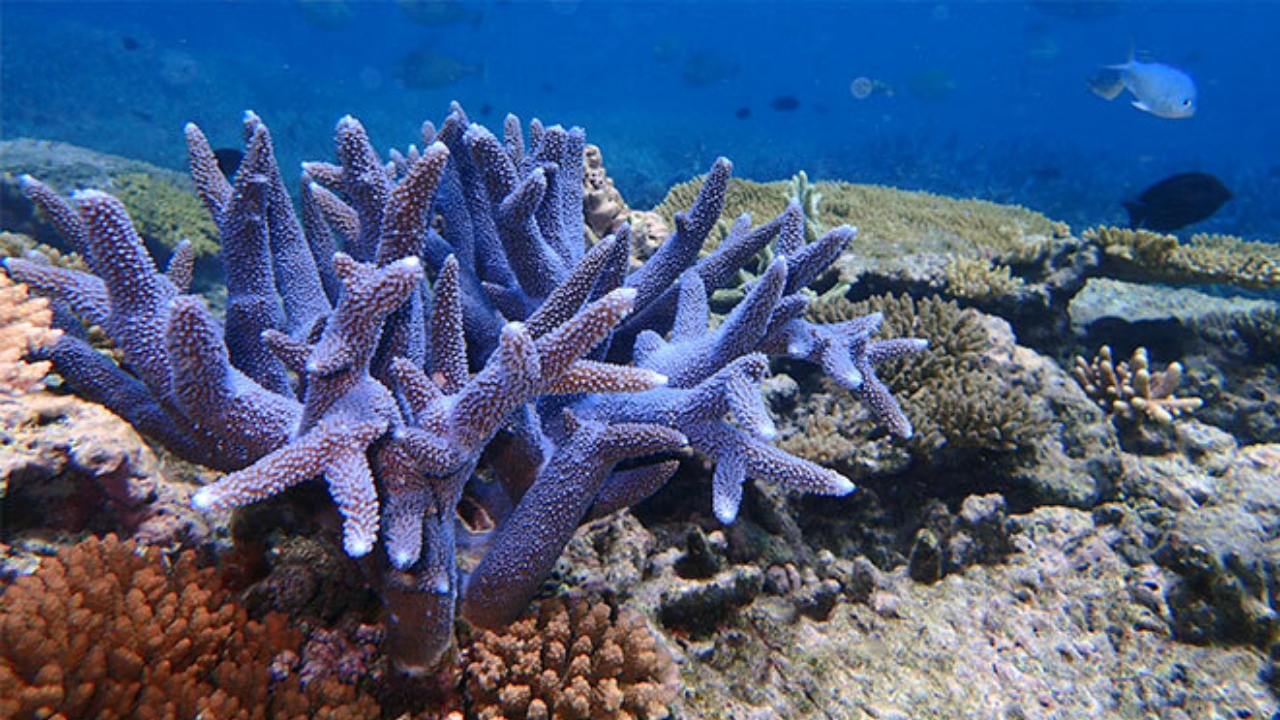
Back in 2015, amid severe warming events and mounting disease pressures that decimated local marine ecosystems, scientists salvaged microscopic fragments of a unique coral strain found exclusively within the bay. Those wild colonies subsequently vanished. What followed was a multi-year exercise in micro-propagation, land-based nursery cultivation, and strict quarantine protocols that ultimately put mature coral colonies back into the ocean.
This operation highlights a profound shift in modern marine science. Conservation is no longer just about protecting pristine habitats. It requires intensive care, operating essentially as an emergency room for species on the brink.
The Mechanics of the Ark
The Hawaii Coral Restoration Nursery operates on a principle most traditional conservationists once resisted: active human intervention through aquaculture. Natural reef recovery can take decades, assuming water temperatures stabilize and pollution remains low. Corals grow notoriously slowly in the wild, hampered by grazing fish, sediment smothering, and recurring thermal stress.
By bringing fragments into a controlled land-based facility, researchers bypassed the brutal attrition rates of the open ocean. Water flow, nutrient delivery, and light spectra were dialed in to maximize calcification rates. Under these optimized conditions, coral tissue expands at a fraction of the time required on a natural reef.
This approach treats endangered marine invertebrates similarly to endangered terrestrial mammals in a breeding program. Every genetic line matters. When a wild population drops to near zero, the loss of a single colony means the permanent erasure of genetic adaptations that might hold the key to thermal tolerance.
The Bottleneck of Outplanting
Growing corals in concrete tanks with filtered seawater is only half the battle. The true test begins the moment those colonies return to the open ocean.
Before any nursery-grown module touches the salt water of Kāneʻohe Bay, it undergoes rigorous screening. Pathogens that circulate freely in closed aquaculture systems can devastate wild populations if introduced unchecked. Acclimatization schedules must simulate natural tidal shifts, variable currents, and fluctuating microbial communities.
Even with meticulous preparation, survival rates fluctuate. Ocean temperatures do not respect laboratory baselines. A sudden marine heatwave can undo months of careful outplanting overnight. Conservation groups have learned that simply scattering fragments across a degraded reef is an expensive form of wishful thinking. Successful restoration demands structural placement, matching species to specific micro-depths, flow regimes, and substrate angles.
Beyond the Bay
The success in Kāneʻohe Bay provides a vital playbook for marine agencies worldwide, yet it also underscores a sobering truth. Laboratories cannot outpace a warming ocean on their own. Nursery propagation acts as a bridge, buying time while global carbon emissions drive the underlying crisis.
If marine biologists can maintain living genetic banks of vulnerable species, reefs battered by consecutive bleaching events retain a fighting chance at repopulation. Without these high-tech interventions, the quiet extinction of endemic marine strains would happen entirely out of sight, leaving behind silent, barren coastlines.