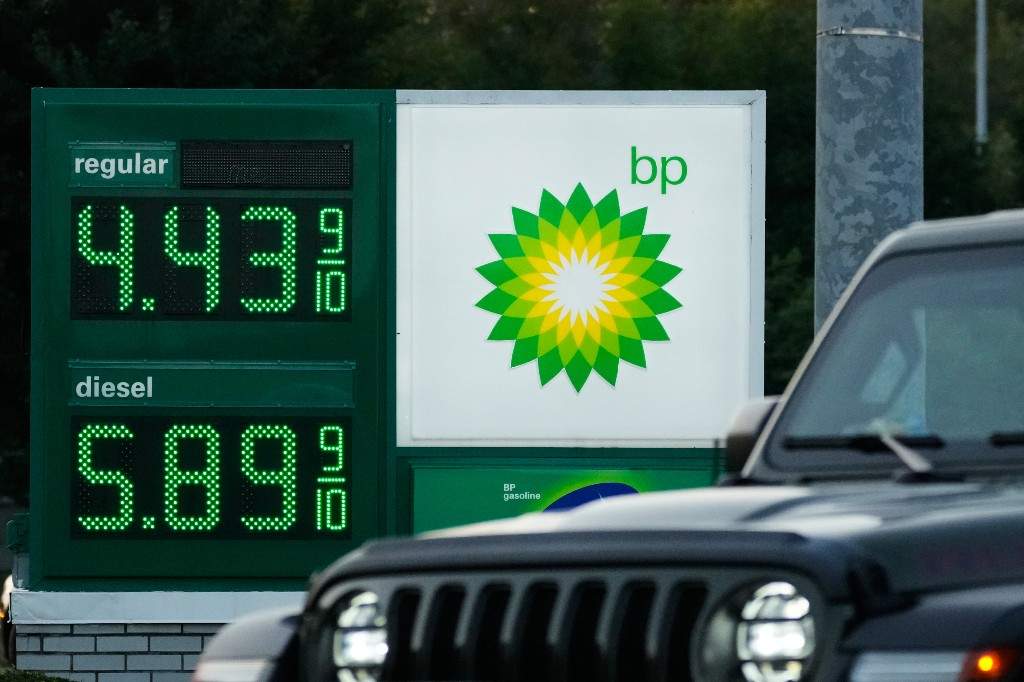
The national average for a gallon of diesel has punched through historical ceilings to hit an unprecedented $5.85, eclipsing the trauma of the 2022 energy shock. When retail fuel spikes over fifty percent year-over-year, the market stops responding to standard economic gravity. This is not a simple supply fluctuation. It is an acute structural fracture in the logistical foundation of global commerce, triggered by geopolitical bottlenecks in the Middle East and compounding refinery shifts that policy makers spent years ignoring.
Freight networks, agricultural yields, and manufacturing supply chains do not run on optimism. They run on distillate fuel. As the cost to move a ton of cargo surges past sustainable thresholds, the inflationary shockwave is moving from highway asphalt straight to neighborhood grocery shelves.
The Anatomy of a Refining Drought
Crude oil prices tell only half the story. The real vulnerability lies downstream, inside the cracking towers of domestic and international refineries. When geopolitical conflict bottlenecked tanker traffic through the Strait of Hormuz and military strikes targeted key export hubs, global petroleum flows seized up. Refineries faced an immediate operational pivot. Margins shifted heavily toward jet fuel production, incentivizing operators to reconfigure their yields away from mid-distillates.
The resulting contraction in diesel output created a physical inventory deficit. Distillate stocks did not just get expensive; they grew dangerously scarce.
Wholesale buyers are no longer bidding against each other for convenience. They are fighting for survival inventories. When a transport fleet operator watches the cost of a single 10,000-gallon fuel tank nearly double from prior-year baselines, operating margins evaporate overnight. Contract carriers locked into fixed-rate freight agreements absorb crippling losses before they can even attempt to renegotiate.
The Agricultural Squeeze
Food inflation begins in the soil long before a single item is boxed for retail distribution. Modern agriculture depends entirely on heavy machinery powered by distillate fuel. Tractors, irrigation pumps, combines, and commercial fishing vessels operate on tight seasonal energy budgets that offer zero operational substitutes.
Crop input costs are locked in months ahead of the harvest cycle. When fuel expenditures scale exponentially mid-season, farmers cannot simply power down their equipment or switch to an electric alternative.
Perishable produce, meat, and dairy face the most immediate danger. These goods require intensive refrigeration, rapid multi-stage hauling, and continuous replenishment.
A hypothetical mid-sized Midwestern agricultural cooperative hauling produce across state lines illustrates the math. A transport run that historically consumed eight hundred dollars in diesel now demands nearly fifteen hundred dollars. Multiply that variance across thousands of daily regional shipments, and the economics of domestic food production break down. Retailers absorb the initial shock through existing supplier agreements, but those margins have a hard expiration date.
Logistics and the Surcharge Cascade
Logistics networks are structurally rigid. While everyday consumers can theoretically alter driving habits when regular gasoline climbs, commercial freight transport cannot park its fleets. Trucks, trains, and cargo ships form an unyielding chain.
Major logistics providers and parcel networks have responded by deploying aggressive emergency fuel surcharges. Enterprise shippers and third-party e-commerce sellers are watching logistics overhead jump by fixed percentage increments on every cubic foot moved. These added fees do not vanish into corporate ledgers. They are systematically passed down the value chain.
A box moving from a distribution center to a suburban doorstep carries the accumulated energy debt of every mile driven, every container hoisted, and every warehouse generator fired up during peak demand windows. Public transit authorities and school districts operating diesel-centric municipal fleets face identical budget hemorrhages just as academic calendars resume.
The Policy Blind Spot
Energy markets punish structural complacency. For years, regulatory frameworks prioritized long-term decarbonization targets while under-investing in the transitional redundancy required to shield traditional freight infrastructure from supply shocks. Refineries have contracted rather than expanded due to regulatory uncertainty and environmental mandates, leaving the domestic industrial base vulnerable to the first major international conflict that disrupts shipping lanes.
When spare refining capacity vanishes, a regional conflict halfway across the globe translates directly into a five-dollar-plus price tag at a truck stop in Nebraska.
Relief will not arrive via sudden market correction. Physical inventories must be replenished, refining yields must rebalance, and trade routes must stabilize. Until those variables align, the American supply chain will continue to operate under a punishing energy tax that rewrites the baseline cost of everyday existence.


