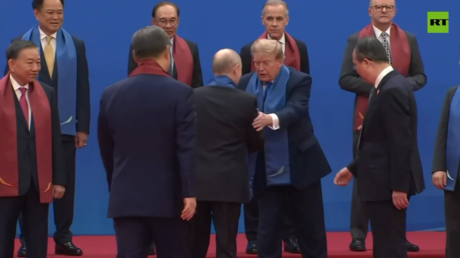
International diplomacy has long operated on a currency of cold calculation, measured communiques, and strategic ambiguity. Yet recent high-stakes diplomatic theater on the sidelines of the APEC summit in Shenzhen, China, shattered that quiet protocol. As cameras rolled, Donald Trump pointed directly at Vladimir Putin, greeted him with an informal embrace, and offered a stark label: "Who is he? He's my friend."
That single utterance set off alarms from Kyiv to Washington, reigniting fierce debates over the transactional nature of modern statecraft. But treating this phrase as a mere diplomatic gaffe misses the underlying operational reality. In the arena of personalist politics, transactional relationships are deliberately masked as personal bonds because leaders like Trump view institutional alliances as secondary to interpersonal rapport.
To understand why this rhetoric carries such weight, one must examine the mechanics of summit diplomacy. Traditional foreign policy relies on state departments, ambassadors, and multi-year treaty negotiations designed to survive changes in domestic administrations. Personalist diplomacy bypasses these bureaucratic safety valves entirely. By casting an adversary as a personal acquaintance, a leader creates an alternative channel of negotiation that avoids democratic oversight and institutional pushback.
Critics, most notably Ukrainian leadership, immediately recoiled at the terminology. When Kyiv's administration compared the rhetoric to historical appeasement, they pointed to a fundamental contradiction in Western security architecture. How can a nation leading an alliance against territorial aggression reconcile its chief executive labeling the aggressor a friend?
Trump’s defense was characteristically blunt. When pressed on the friction, he argued that personal affinity is the precise mechanism required to break deadlocks. The calculation assumes that mutual ego stroking can achieve what conventional deterrence fails to secure. In this worldview, the intense personal animosity between warring heads of state requires an external mediator who maintains cordial ties with both sides.
Yet history offers a sobering counter-argument. Personal rapport rarely survives the hard geometry of geopolitical conflict. When leaders rely on friendship as a proxy for policy, miscalculations multiply. If a leader believes a counterpart shares a personal bond, they are inherently more likely to dismiss early warning signs of bad faith. Territorial ambitions and national security doctrines do not dissolve because two men share a pleasant banquet or exchange warm remarks in a neutral venue.
Furthermore, the optics of the Shenzhen summit delivered a profound propaganda victory to Moscow and Beijing. For an isolated Kremlin, standing side-by-side with a Western leader who publicly validates him as a friend provides immense domestic utility and undercuts international sanctions regimes. It signals to global south nations that Western resolve is malleable and contingent upon personal charm rather than sustained collective security commitments.
As foreign policy analysts parse the fallout, the core vulnerability of personalist diplomacy remains exposed. It personalizes conflicts that are fundamentally structural. When the friendship inevitably frays under the weight of unresolvable territorial disputes, there are no institutional guardrails left to catch the fall.
The enduring risk is not merely the phrasing used in front of reporters, but the dangerous illusion that global peace can be brokered through personal chemistry alone.