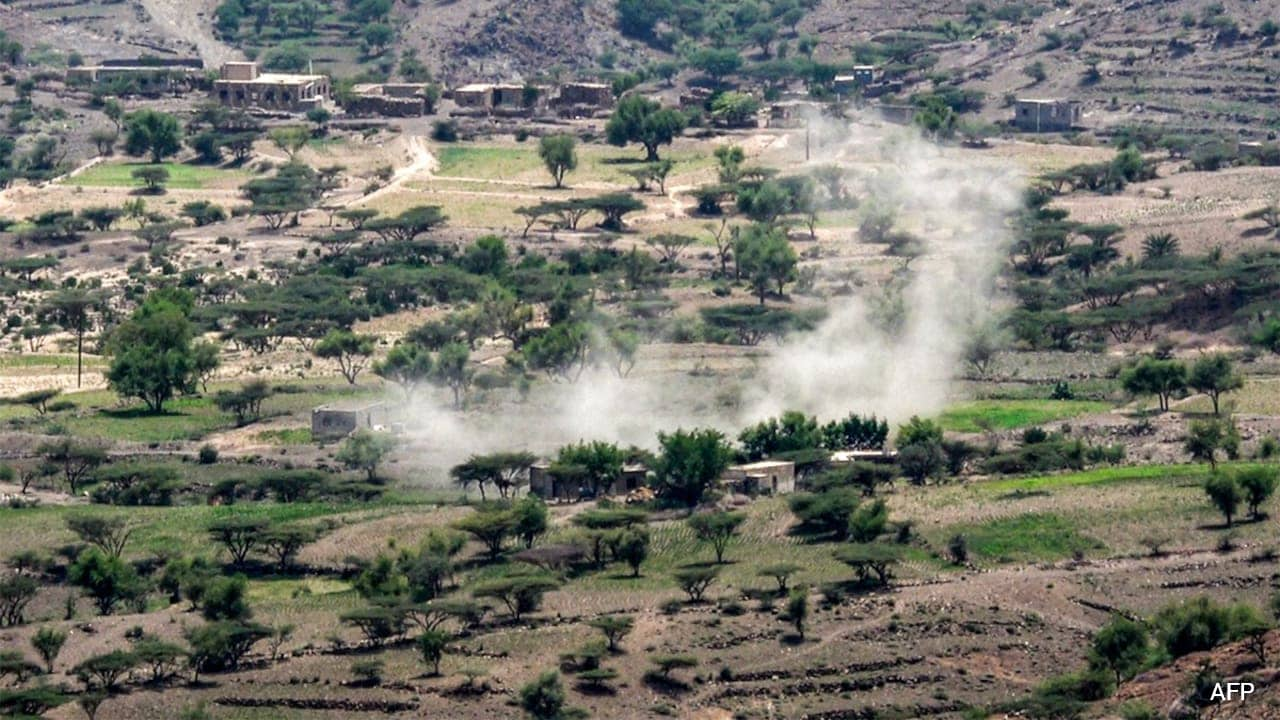
Air campaigns rarely begin with a single flashpoint. They accumulate weight, silent adjustments, and quiet escalations until the threshold of open warfare is crossed once more. When Houthi authorities reported twenty-six separate airstrikes hitting targets across Yemen within a strict twenty-four-hour window, the announcement was treated by international monitors as routine combat reporting. Yet beneath the statistical shorthand of strikes and sorties lies a deeper operational reality. The intensity of this air campaign points to a sustained tactical shift, one designed to degrade remaining infrastructure while testing the limits of regional deterrence.
The Mechanics of Modern Air Campaigns
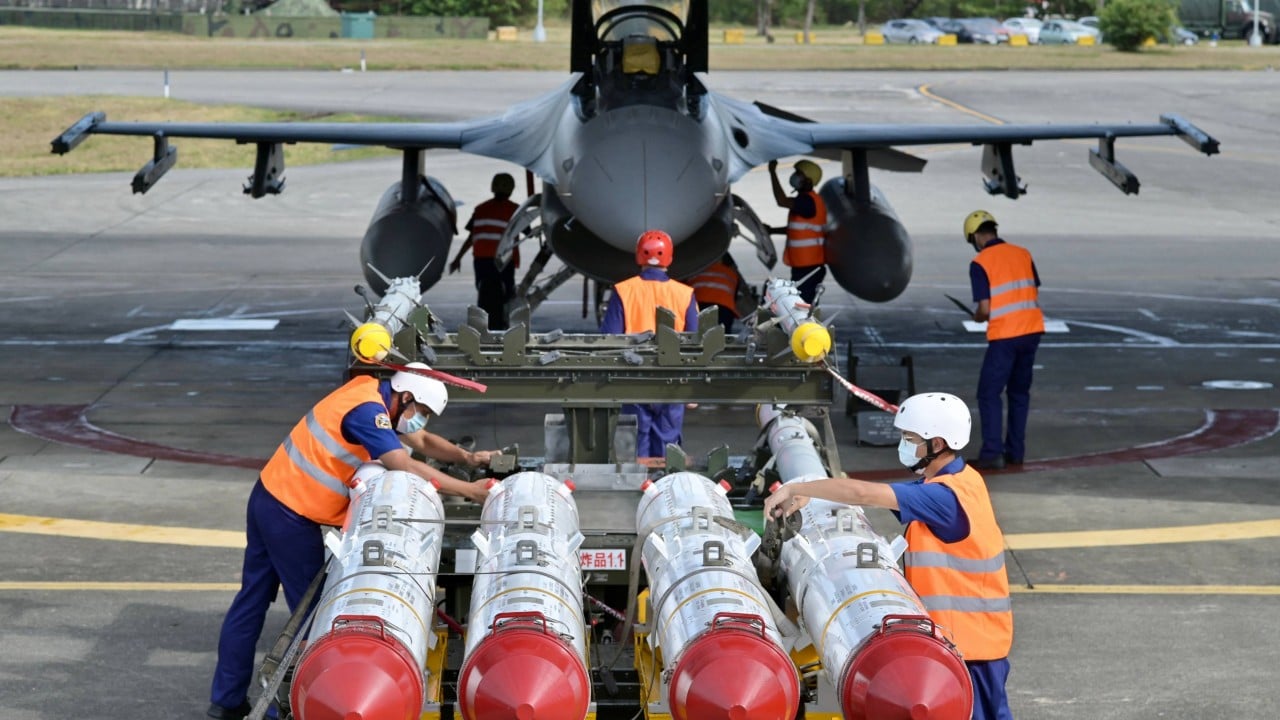
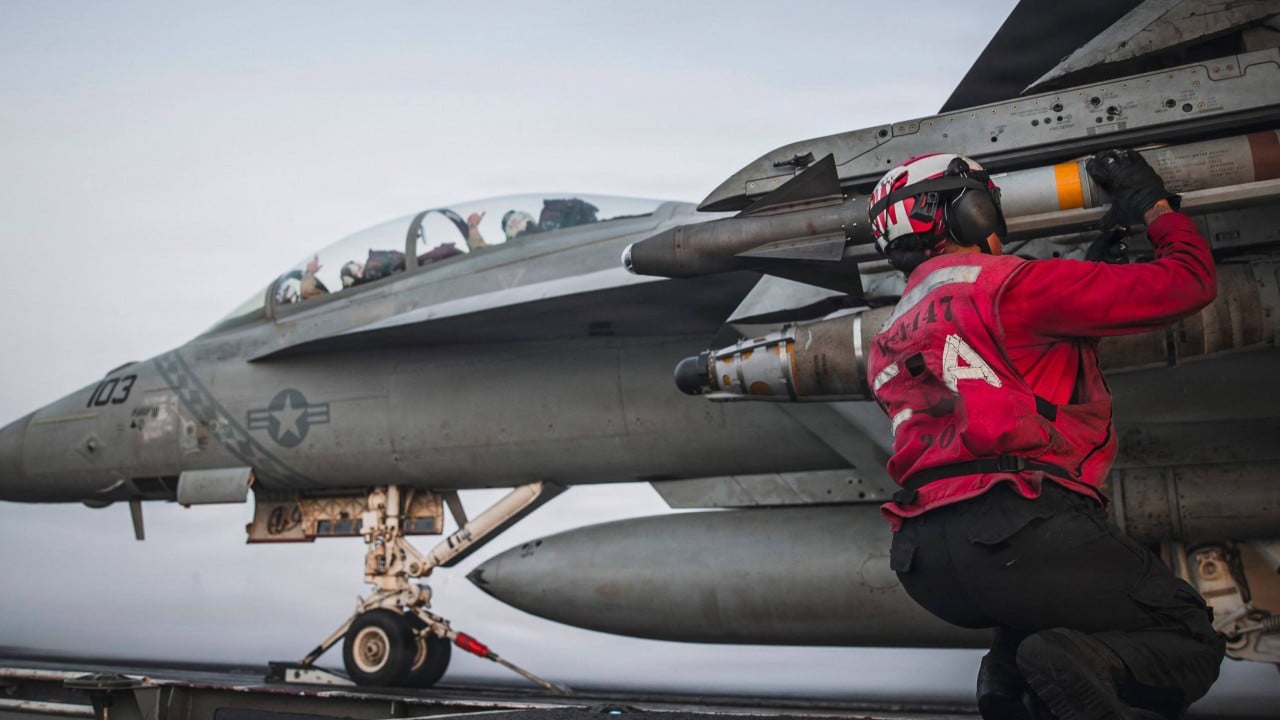
Military aviation operates on strict logistical rhythms. Executing dozens of sorties within a single day requires constant refueling assets, intelligence-surveillance-reconnaissance coverage, and secure staging bases. When strike frequency spikes to the levels reported by Houthi military spokesmen, planners are typically attempting to achieve two distinct objectives. The first is degradation, neutralizing ballistic missile storage facilities, drone assembly sites, and command nodes before they can be utilized. The second is disruption, forcing opposing forces to disperse personnel, abandon fixed positions, and expend fuel and communications assets attempting to evade detection.
Yet air power alone rarely alters fundamental strategic equations. Decades of modern military intervention demonstrate that aerial bombardment can suppress capabilities, but it struggles to achieve decisive political outcomes without sustained ground maneuvers. In the rugged terrain of Yemen, fortified positions and decentralized supply chains absorb structural damage far better than conventional military installations. Storage tunnels carved into mountain ranges remain resilient against standard munitions, meaning that high sortie counts often yield diminishing returns over time.
Shifting Regional Calculations
Beyond the immediate theater of operations, the timing of intensified air strikes carries broader diplomatic and strategic signals. External actors involved in the coalition maintain delicate alliances and competing priorities. Escalation is rarely an accident; it serves as a pressure valve during stalled negotiations or an aggressive countermeasure following cross-border drone and missile launches.
The political cost of prolonged conflict continues to mount for every faction involved. Economic strain deepens inside Yemen, where civilian infrastructure bears the indirect weight of sustained military operations. Ports, transport routes, and fuel depots become secondary casualties of a campaign focused primarily on military containment. Humanitarian access shrinks each time an airfield or logistical hub is targeted, creating cyclical crises that outlast individual tactical engagements.
The Limits of Deterrence
Deterrence relies on predictable consequences. When those consequences fail to alter adversary behavior, military planners face a difficult choice between escalation and withdrawal. The rapid succession of twenty-six reported strikes suggests that coalition leadership remains committed to maintaining military pressure, betting that sheer volume will eventually disrupt Houthi operational capacity.
History suggests otherwise. Insurgents and non-state actors operating within deeply fractured states adapt rapidly to aerial campaigns. They decentralize production, rely on modular components that can be assembled quickly in hidden workshops, and trade fixed command structures for fluid cell networks. Each wave of airstrikes forces an evolution in tactics, making subsequent military campaigns harder to execute and less effective at achieving strategic goals.
The air war over Yemen continues not because it offers a clear path to victory, but because alternative options carry even higher political risks. Until all parties find a viable diplomatic off-ramp, the rhythm of sorties, strikes, and retaliatory salvos will persist, locking the region into a permanent state of managed volatility.