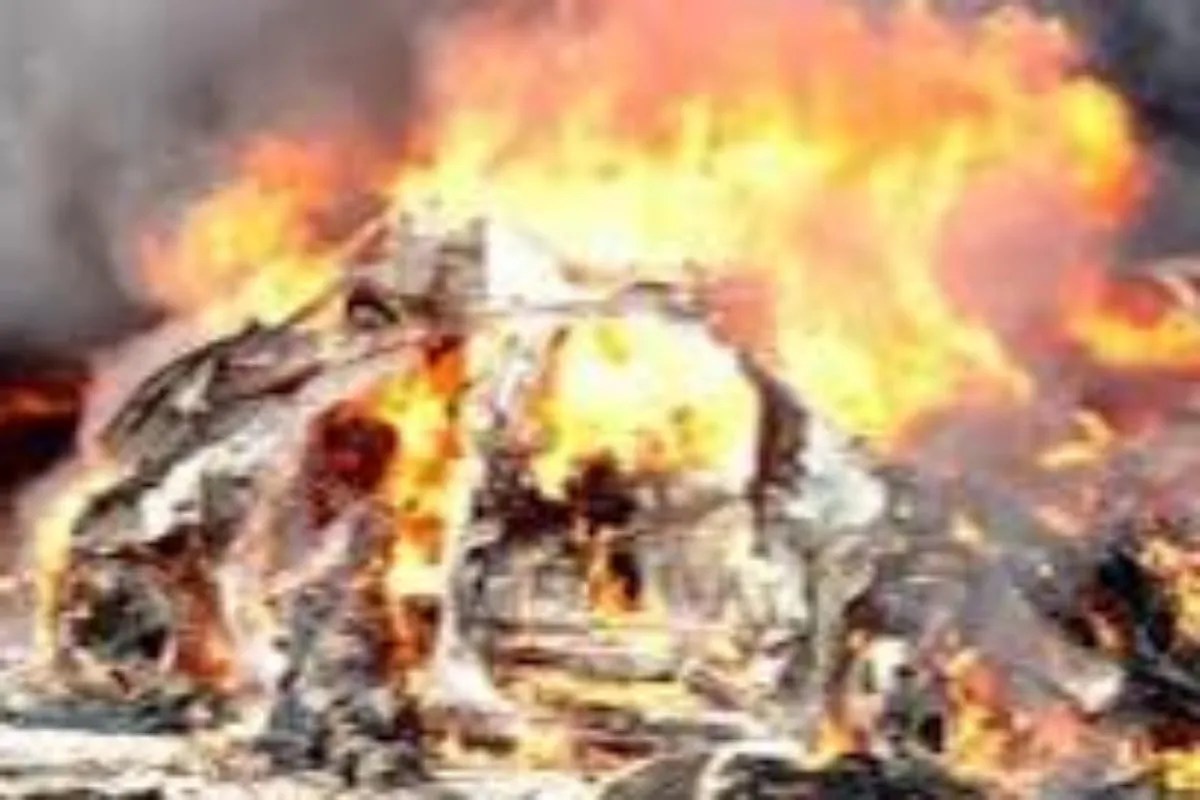
An explosion ripped through the southeastern Damascus suburb of Jaramana, claiming the lives of a man and a child while leaving another individual critically wounded. State media attributed the carnage to a vehicle-borne improvised explosive device detonated near a municipal transit route. This flashpoint marks yet another brutal iteration in the continuous struggle for civil stability following the collapse of Bashar al-Assad's administration in December 2024.
For years, the official narrative surrounding the Levant focused primarily on conventional military campaigns, territorial acquisition, and sweeping geopolitical shifts. Yet the ongoing reality on the ground is dictated by asymmetric urban warfare, shadowy sleeper cells, and the immense difficulty of locking down porous municipal peripheries.
Jaramana has long served as a micro-cosm of the capital’s fragile demographic and security balance. Dense, multi-confessional, and economically vital, the neighborhood sits on the arterial veins connecting central Damascus to the wider countryside. When a device is planted and detonated within these congested municipal zones, the primary objective transcends mere physical destruction. It aims to puncture the psychological armor of an exhausted populace.
State security forces rushed to establish cordons, sealing off the impacted blocks while forensic teams sifted through twisted metal and shattered glass. But investigative momentum frequently stalls when confronted with the decentralized nature of modern asymmetric cells. The Islamic State and various clandestine factions continue to exploit administrative transition periods, moving undetected through rural supply routes before planting ordnance in urban centers.
The transitional governance, led by Ahmed al-Sharaa and supported by international coalitions, faces an uphill battle. Restoring functional order requires more than checkpoints and perimeter sweeps. It demands deep intelligence infiltration, comprehensive counter-narcotics and arms-trafficking interdiction along border corridors, and the painstaking reconstruction of local trust.
When checkpoints become targets rather than deterrents, the entire architecture of internal defense undergoes acute strain. The recent blast in Jaramana, preceded by similar kinetic events in the Deir Ezzor countryside and bus bombings earlier in the year, illustrates a sobering truth. Removing a central dictator does not automatically dismantle the complex underground networks forged during years of absolute chaos.
Intelligence analysts tracking the region note that urban insurgencies thrive in the gray zones of bureaucratic reorganization. New institutional frameworks take time to institutionalize local informants, standardize biometric identification protocols, and secure vast desert frontiers. Until those mechanisms mature, the streets of Damascus and its surrounding belts will remain acutely vulnerable to sudden, devastating interruptions.
The human toll extends far beyond the immediate casualty count reported in wire bulletins. Every detonation reverberates through local markets, schools, and commercial enterprises, stifling economic recovery before it can gain traction. Small business owners shutter storefronts early; families second-guess routine commutes.
Rebuilding a nation requires securing its most vulnerable junctions. Until the underlying intelligence gaps are permanently closed, the specter of urban car bombs will continue to haunt the reconstruction effort.


