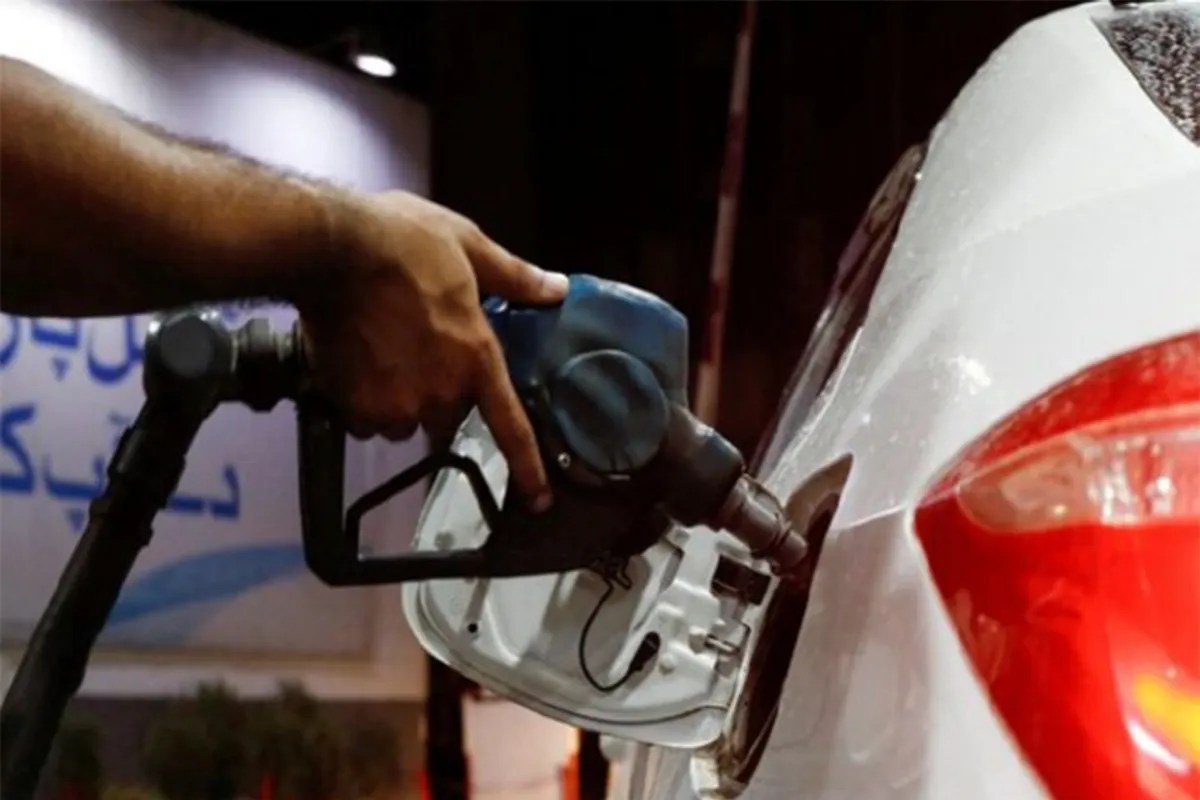
While the global energy market reels from geopolitical shocks, India and Pakistan have faced the exact same supply disruptions with drastically different results. In Islamabad, consumers are reeling as petrol prices climb back over Rs 310 per litre and diesel crosses Rs 323, driven by tax restructuring, regional volatility, and a dangerously low 14-day national stock cover. Meanwhile, across the border in New Delhi, retail fuel rates have remained remarkably flat, insulated by deep state-backed refining capacity and strategic diplomatic posturing.
This is not just a story of varying price tags on a gas station billboard. It is a symptom of structural divergence, sovereign credit rating disparities, and two entirely different philosophies on how to handle economic shocks.
The Illusion of a Shared Storm
When the US-Israel-Iran confrontation earlier this year partially closed the Strait of Hormuz—the choke point for roughly 20% of the world’s petroleum—global crude markets panicked. Every country dependent on energy imports was dealt the same hand. Yet, how that hand was played reveals the core economic realities of both South Asian neighbors.
For Pakistan, the crisis was immediate and devastating. In a matter of weeks, petrol prices surged to an all-time peak of PKR 458.41 and diesel spiked to PKR 520.35. Even after a brief period of easing, the relief was short-lived. By mid-July, the government slammed consumers with another PKR 13-per-litre hike, raising petrol to PKR 310.71 and diesel to PKR 323.30.
Contrast this with India. During the peak of the 2026 West Asian market shock, state-owned Indian oil marketing companies—which control about 90% of the country's retail market—simply held their ground. They absorbed the international cost spike, accumulating massive under-recoveries rather than passing the bill to the public. When India finally adjusted its fuel rates in mid-May, it was a modest hike of just Rs 3 per litre. It was the first major revision in nearly four years.
The percentage changes tell the real story:
- Petrol price increase during the 2026 crisis: Pakistan saw a 54.9% surge, while India experienced a mere 3.2% change.
- Diesel price increase during the 2026 crisis: Pakistan faced a 44.9% hike, while India kept its adjustment to 3.4%.
Why Pakistan Cannot Afford to Shield Consumers
A government’s ability to shield its citizens from market volatility is dictated by its balance sheet. Pakistan's hands are effectively tied by its commitments to international creditors.
+------------------------------------+-----------------------+
| Fuel Tax Component (Pakistan)      | Rate Per Litre (PKR)  |
+------------------------------------+-----------------------+
| Petroleum Levy (Diesel)            | ~80.00                |
| Petroleum Levy (Petrol)            | ~70.00                |
| Climate Support Levy               | 5.00                  |
| Customs Duty (Petrol)              | 20.00                 |
+------------------------------------+-----------------------+
Under pressure from the International Monetary Fund (IMF), the Pakistani government has had to restructure its fuel tax system. From July 1, the state doubled its climate support levy to PKR 5 per litre, offset only by a slight reduction in the standard petroleum levy, which still sits at a staggering PKR 70 to PKR 80 per litre.
The total tax burden on a single litre of fuel in Pakistan is now hovering around PKR 95 to PKR 101. When crude prices rise globally, Islamabad cannot cut these taxes to soften the blow because those revenues are promised directly to debt servicing.
Furthermore, Pakistan’s oil supply chain is fundamentally fragile. While State Oil remains a lifeline, smaller oil marketing companies are hesitating to import because of more than PKR 66 billion in unpaid price differential claims from the government. This has triggered severe supply anxiety, with national petrol stocks dipping to a precarious 14-day cover. The moment fuel stocks dry up, hoarding and profiteering worsen, driving up costs even further.
India’s Buffer of Diversification and Balance Sheet Strength
India’s resilience is built on three strategic pillars that its neighbor lacks:
1. Diplomatic Agility in Crude Sourcing
India has masterfully navigated global sanctions and geopolitical divides to buy discounted crude wherever it can find it. By maintaining ties with Russia and navigating West Asian partnerships, Indian state-backed refiners have consistently kept their average crude basket costs below global Brent benchmarks.
2. Massive Domestic Refining Capacity
India is a refining powerhouse. It does not just import fuel; it imports raw crude, processes it, and exports finished petroleum products. This domestic infrastructure insulates the country from the premium hikes that international traders slap on imported refined products. Pakistan, on the other hand, relies heavily on importing expensive, pre-refined fuels, leaving its supply chain exposed to exorbitant shipping and insurance premiums.
3. Financial Shock Absorbers
The Indian government has the fiscal runway to allow its public-sector oil companies to absorb temporary losses. These companies can carry the burden of "under-recoveries" during a global spike, knowing they can recoup losses when global prices cool down. Pakistan's treasury has no such luxury.
The divergent realities of these two neighbors highlight a basic economic truth. When a country lacks foreign exchange reserves, relies on imported refined products, and operates under strict international bailout conditions, global market volatility acts as an immediate tax on the poorest citizens. For India, fuel pricing is a strategic levers-and-pulleys system managed to control domestic inflation. For Pakistan, it remains an existential balancing act where every minor shift in the Middle East translates directly into a crisis at the local pump.