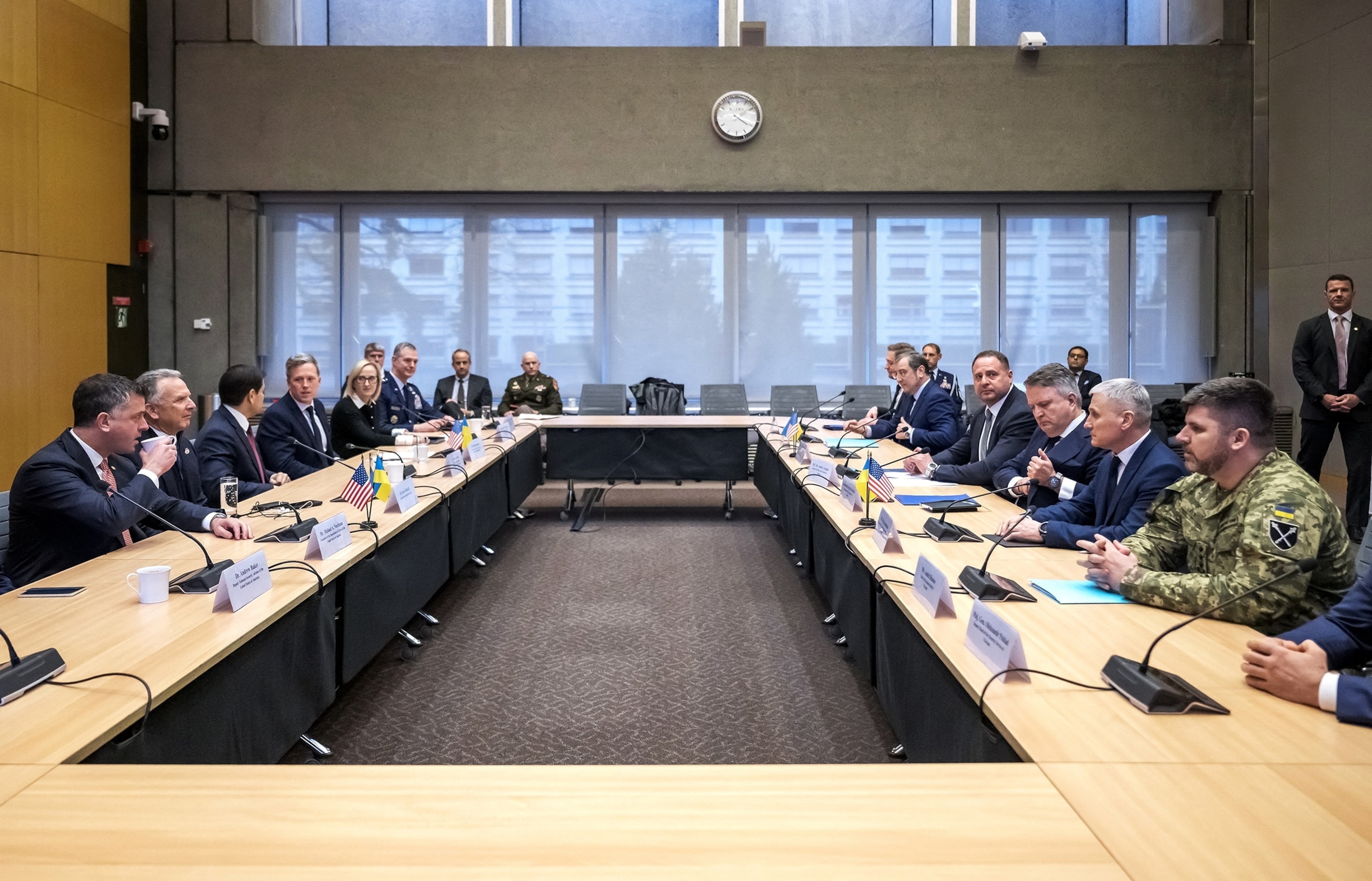
The conference rooms of Geneva remain pristine, far removed from the mud of North Kivu where the state apparatus of the Democratic Republic of the Congo disintegrates daily. Diplomatic delegations gather in European hotels under the glow of international mediation, tasked with salvaging a peace accord that exists mostly on paper. Months after Washington brokered a high-profile treaty between presidents Félix Tshisekedi and Paul Kagame, the conflict in eastern Congo mocks every diplomatic communiqué.
The primary question driving international anxiety is whether these high-level talks can dismantle the machinery of war, or if they simply provide a diplomatic veneer for ongoing geopolitical conquest. The reality on the ground offers a brutal answer. While envoys debate disengagement timetables and joint security mechanisms, the humanitarian catastrophe deepens, and the extraction networks funneled through regional proxies continue unhindered.
To understand why diplomatic summits in Geneva or Doha repeatedly stall, one must look past the polite language of communiqués and examine the structural incentives of the combatants. Kinshasa insists that Rwandan military intervention and backing of the M23 rebel coalition represent an intolerable violation of national sovereignty. Kigali counters that the continued presence of the Democratic Forces for the Liberation of Rwanda, an armed group founded by remnants of the perpetrators of the 1994 genocide, poses an existential security threat that the Congolese state is either unable or unwilling to neutralize.
This security dilemma is real, but it operates alongside a parallel economy of extraction. Eastern Congo contains massive deposits of coltan, gold, and other critical minerals essential for global technology supply chains. Control over smuggling routes, taxation points, and border crossings generates millions of dollars in illicit revenue. Armed factions, local militias known as Wazalendo, regular national army units, and external actors are all entangled in this economic web. When peace pacts threaten these revenue streams, spoilers within the military and political hierarchies routinely find ways to sabotage implementation on the ground.
External powers bear significant responsibility for the persistent failure of these diplomatic frameworks. Western nations, eager to secure critical mineral supply chains for the energy transition, have repeatedly prioritized rushed diplomatic announcements over deep, structural enforcement. The Washington Accords, signed with great fanfare under American mediation, attempted to link regional security guarantees with economic integration partnerships involving foreign investors. Critics have long argued that this approach treats the symptoms of a governance crisis while ignoring the fundamental breakdown of state authority in Kinshasa and the security calculations of Kigali.
When agreements are structured primarily to satisfy foreign diplomatic calendars rather than resolve local grievances, they collapse at the first contact with reality. A clear case of this dynamic occurred when the Joint Security Coordination Mechanism attempted to establish verification protocols for troop withdrawals. Without an independent, heavily enforced monitoring apparatus on the ground, both Kinshasa and Kigali routinely accuse one another of violating ceasefires. A single skirmish in the hills above Goma is enough to unravel weeks of painstaking diplomatic negotiation in Europe.
Furthermore, the exclusion of local civil society groups and marginalized communities from these elite-pact negotiations ensures that sustainable reconciliation remains out of reach. Peace is treated as a transactional bargain between competing political elites rather than a comprehensive societal rebuilding process. Disarmament, Demobilisation, and Reintegration plans for combatants are routinely underfunded and poorly managed, leading former fighters to cycle back into rebellion simply because they have no viable civilian economy to return to.
The Geneva tracks and their sister negotiations face an impossible paradox. They attempt to construct regional stability using the very institutions and actors that profit from instability. Until international mediators are willing to impose genuine, targeted consequences on political and military leaders who violate cessation-of-hostilities frameworks, these summits will remain an exercise in diplomatic theater.
The displaced families huddled in makeshift camps outside provincial capitals do not measure peace by the communiqués issued in Switzerland. They measure it by whether they can return to their fields without fear of violence. Until the Geneva process addresses the economic incentives of the war economy and forces genuine accountability from all signatories, the cycle of violence in eastern Congo will persist unchecked.


