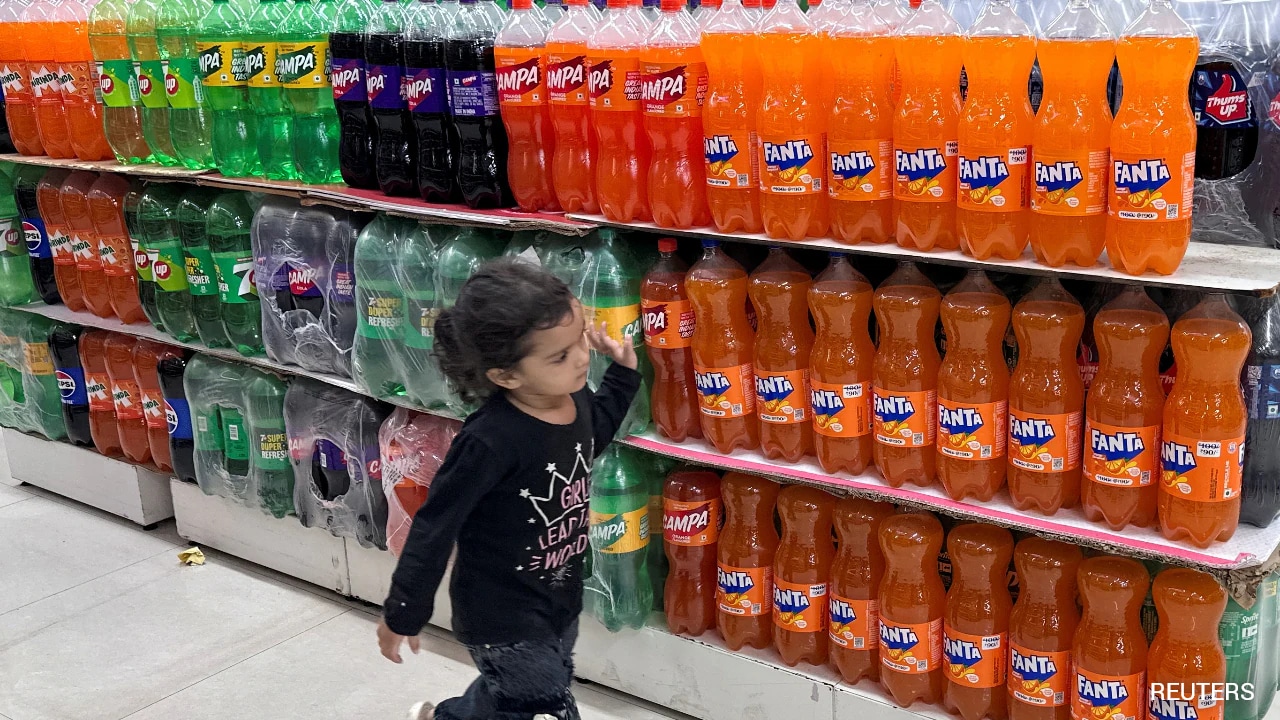
The grocery aisles of Ontario and British Columbia look remarkably different this season. Shelves once crowded with California citrus and domestic American brands sit half-empty or replaced entirely by domestic equivalents, driven by a grassroots economic backlash.
Canadians are boycotting American goods on a massive scale, transforming ordinary grocery trips into a political statement following the collapse of bilateral trade negotiations and the imposition of harsh 50 percent tariffs by the Trump administration. Prime Minister Mark Carney's administration has responded with dollar-for-dollar retaliatory duties, but the consumer rebellion extends far beyond government policy. This economic friction is redrawing supply chains, punishing southern tourism destinations, and permanently damaging decades of cross-border brand loyalty. Also making headlines recently: The Heavy Chair Waiting in the Smoke.
The Mechanics of a Grassroots Freeze
Consumer boycotts rarely sustain momentum without infrastructure. In this case, digital organization filled the gap almost overnight. Social media groups boasting millions of members act as clearinghouses for product verification, while mobile applications allow shoppers to scan barcodes and identify country-of-origin data instantly.
Grocery giants like Loblaw brought back explicit origin labeling and warning markers to help shoppers navigate the shifts. The sentiment quickly moved from passive preference to active avoidance. When provincial liquor boards pulled American wines and spirits from their inventories, retail sales of local alternatives surged dramatically. More details on this are detailed by CNBC.
People are willing to accept higher prices or minor inconveniences if it means keeping their money out of the United States. This behavioral shift catches corporate boardrooms flat-footed. Brand equity built over forty years of frictionless trade evaporates when a consumer base decides a neighbor's market is hostile.
Tourism Sectors Pay the Price
The friction is not confined to packaged goods. The tourism industry across the border is experiencing a sharp contraction as Canadian travelers cancel vacations to traditional hotspots.
University research tracking travel patterns reveals double-digit percentage drops in visits to major metropolitan areas, New England border towns, and Florida destinations. Snowbirds who traditionally spend winters in the American Sunbelt are redirecting their capital elsewhere or staying home. State tourism boards in the United States are launching aggressive discount campaigns to salvage what remains of the Canadian demographic, yet the response remains lukewarm.
National pride intersects directly with household budgeting here. When travel agencies report that alternative domestic or overseas destinations are outselling standard trips to Nevada or New York by wide margins, the financial toll on U.S. hospitality businesses becomes impossible to ignore.
The Trap of Maple Washing
As demand for domestic goods skyrockets, local markets face an unexpected hurdle known as maple washing. Unscrupulous distributors attempt to rebrand imported items or obscure supply chain origins to capture the surge of patriotic purchasing.
Regulatory bodies face a steep rise in consumer complaints regarding misleading labels. Shoppers are fighting back through hyper-vigilance, scrutinizing fine print on dairy, produce, and manufactured goods before items ever reach the checkout counter. This vigilance forces independent grocers to audit their supply chains with unprecedented rigor.
Retailers who fail to verify their vendors risk swift public exposure on digital forums. Trust once lost in this climate is exceptionally difficult to win back.
Structural Realities Beyond the Noise
Trade analysts point out that replacing deeply integrated supply chains is neither cheap nor instantaneous. Heavy manufacturing, automotive components, and specialized technology sectors cannot pivot overnight without absorbing production bottlenecks and higher baseline costs.
Yet the political calculus driving the consumer base relies on long-term diversification rather than short-term convenience. Policymakers in Ottawa are doubling down on inter-provincial trade agreements to make domestic commerce smoother, attempting to eliminate internal trade barriers that historically made buying from the United States easier than buying from a neighboring province.
The standoff reflects a permanent fracture in North American economic assumptions. What began as a dispute over steel and automotive thresholds has matured into a fundamental questioning of mutual dependency.
Borders are thick again, and consumers on the northern side have decided that distance is worth the cost.