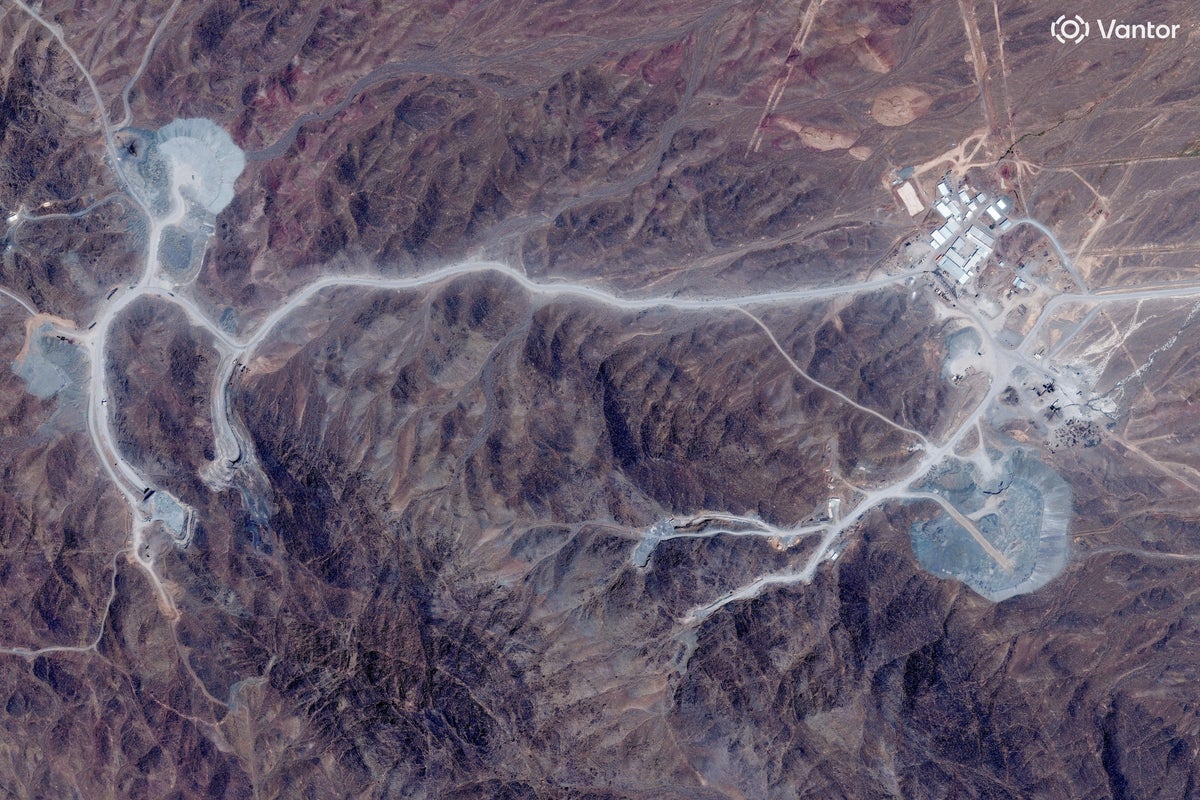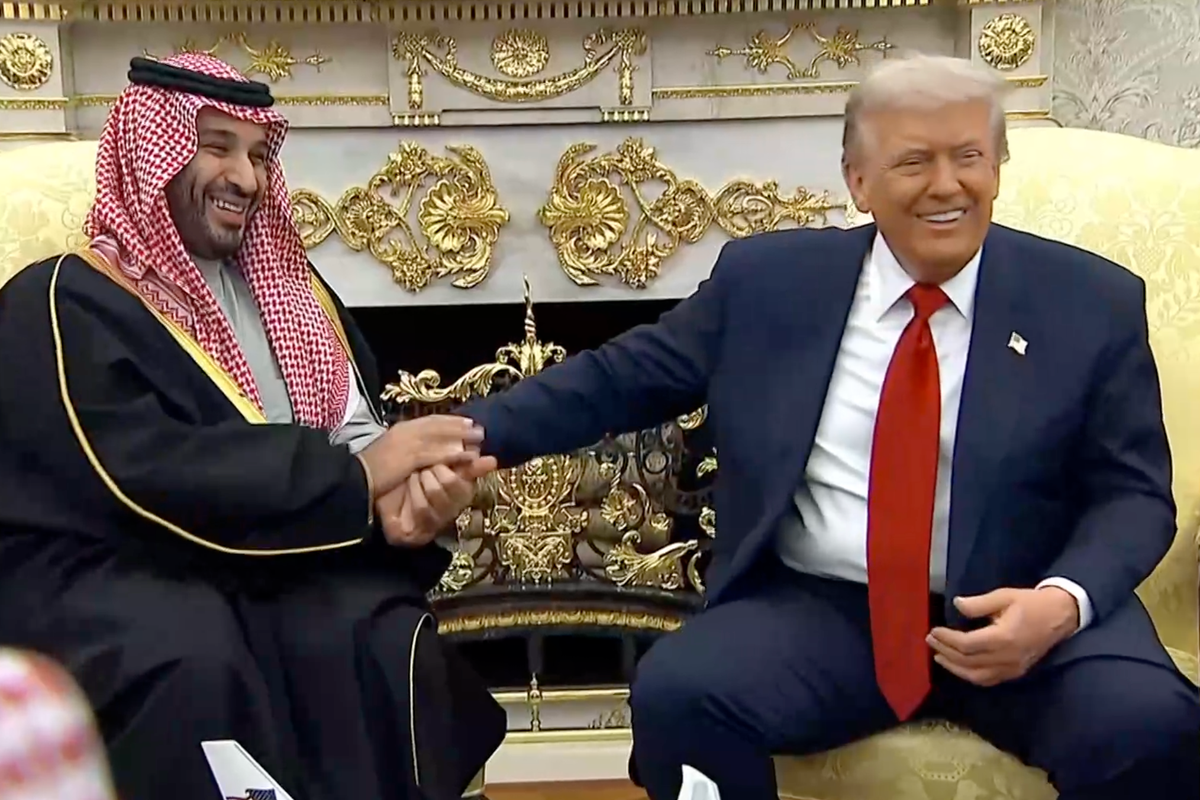
The White House has approved a 30-year bilateral 123 Agreement with Saudi Arabia to establish a civilian nuclear energy framework. Beyond the immediate headlines, this arrangement exposes a stark shift in Washington's foreign policy priorities: sacrificing traditional nonproliferation mandates to secure American corporate dominance and prevent Riyadh from pivoting to Chinese or Russian reactors. By omitting the historic "gold standard" prohibitions against domestic uranium enrichment and bypassing the International Atomic Energy Agency’s (IAEA) intrusive Additional Protocol, Washington is wagering that commercial integration can manage nuclear risks in the world's most volatile region.
The Strategic Shift From Proliferation Guardrails to Commercial Dominance
For decades, American nuclear diplomacy operated under a clear nonproliferation framework. The gold standard, established during negotiations with the United Arab Emirates in 2009, legally required recipient nations to forfeit any domestic capacity to enrich uranium or reprocess spent fuel.
That benchmark has been discarded. Under Section 123 of the U.S. Atomic Energy Act of 1954, formal bilateral cooperation requires congressional review. However, the agreement crafted by Energy Secretary Chris Wright and Saudi Energy Minister Abdulaziz bin Salman leaves the door open for domestic enrichment inside Saudi Arabia following a two-year joint feasibility study.
Industry insiders recognize the political reality driving this compromise. Had Washington held firm on strict nonproliferation clauses, Riyadh was prepared to hand its multibillion-dollar nuclear infrastructure contracts to state-backed entities in Beijing or Moscow. China National Nuclear Corporation (CNNC) and Russia's Rosatom do not attach democratic conditions or strict international monitoring regimes to their technical exports. American policymakers chose commercial codependency over diplomatic isolation.
Beyond the IAEA Additional Protocol
The omission of the IAEA Additional Protocol presents a significant point of concern for regional security experts. Without these voluntary oversight mechanisms, international inspectors are denied key privileges:
- Unannounced snap inspections at undeclared facilities.
- Broad environmental sampling rights across the entire nuclear supply chain.
- Direct access to operational logs for advanced centrifuge research and development.
Instead, the administration intends to rely on bilateral security mechanisms and direct American personnel oversight to verify that enrichment technology remains restricted to low-enriched fuel for commercial reactors.
Corporate Interests and Commercial Realities
American nuclear technology providers, led by firms like Westinghouse, have struggled for decades against heavily subsidized state-backed competitors from Russia, China, and South Korea. Securing exclusive access to Saudi Arabia’s expanding energy matrix provides a substantial lifeline to domestic vendors.
┌─────────────────────────────────────────────────────────────────┐
│              US-Saudi Nuclear Agreement Framework              │
├────────────────────────────────┬────────────────────────────────┤
│ Structural Pillar              │ Operational Impact             │
├────────────────────────────────┼────────────────────────────────┤
│ 123 Agreement Provision        │ Opens 30-year commercial trade │
│ Gold Standard Safeguards       │ Excluded; enrichment permitted │
│ IAEA Additional Protocol       │ Excluded; replaced by US rules │
│ Joint Feasibility Study        │ 2-year trial on local enrichment│
└────────────────────────────────┴────────────────────────────────┘
The financial stakes are massive. Constructing a modern multi-reactor civil nuclear grid requires hundreds of billions of dollars over several decades. By embedding American firms at every tier of the Saudi supply chain, the agreement attempts to lock in technical compatibility and operational reliance on Western systems through the mid-21st century.
The Regional Security Paradox
This commercial maneuver arrives during heightened geopolitical tension across the Middle East. The decision to allow potential enrichment capabilities in Saudi Arabia creates a challenging dynamic while Washington simultaneously demands that Tehran dismantle its fuel cycle infrastructure.
Crown Prince Mohammed bin Salman has stated publicly that if Iran acquires a nuclear weapon, Saudi Arabia would be forced to follow suit. Constructing a domestic civilian nuclear infrastructure—even under strict bilateral American management—drastically reduces the technical lead time required to build a weapon should the kingdom ever choose to break its commitments.
Congressional Review and Legislative Mechanics
The pact now faces a 90-day continuous session review period in the U.S. Congress. Under the Atomic Energy Act, a 123 Agreement automatically enters into force unless Congress passes a joint resolution of disapproval.
"This agreement, designed within the U.S. and discussed with world-class scientists, adheres to the highest standards of nuclear safety and nonproliferation."
— Chris Wright, U.S. Energy Secretary
Overturning the agreement requires a two-thirds supermajority in both the Senate and the House of Representatives to survive a presidential veto. Despite bipartisan reservations regarding Middle Eastern nonproliferation standards, achieving that threshold remains an uphill battle.
The fundamental calculus in Washington has shifted. Rather than relying on rigid international vetoes to stop proliferation, the administration is betting that placing American corporations directly inside Saudi nuclear infrastructure provides greater real-time influence than any international treaty ever could. Whether this economic lever holds against regional pressures remains an open question.