Diplomatic Backchannels Under Scrutiny
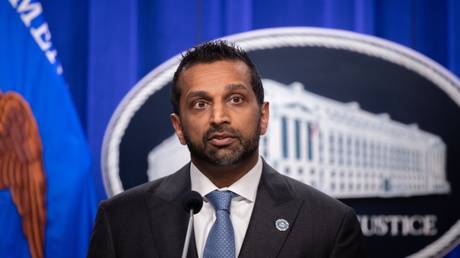
When news surfaced that the FBI director planned a high-level trip to Moscow, political circles in Washington reacted with sharp skepticism. A U.S. law enforcement chief stepping onto Russian soil is never a routine administrative errand. It is a calculated, high-risk maneuver executed against a backdrop of deep espionage concerns, geopolitical friction, and mutual distrust. While official statements framed the engagement as a necessary dialogue on cross-border crime and intelligence sharing, seasoned intelligence observers recognize a far more complex reality unfolding behind closed doors.
The core intent behind such high-level contact centers on maintaining critical operational backchannels when formal diplomatic channels grind to a halt. Law enforcement leaders often find themselves navigating a fine line between national security priorities and geopolitical posturing. A visit of this magnitude requires months of discreet negotiations, secure communication protocols, and strategic risk assessments by federal agencies. Learn more on a related subject: this related article.
The Cold Logic of Law Enforcement Engagement
Counterterrorism and transnational cybercrime do not stop at national borders. Even during periods of intense geopolitical standoff, federal agencies maintain functional touchpoints with foreign counterparts.
Critical Areas of Contact
- Cybercrime Infrastructure: Coordinating actions against international ransomware networks operating from foreign jurisdictions.
- Counterterrorism Intelligence: Exchanging tactical warnings regarding non-state extremist threats that pose risks to both nations.
- Extradition and Prisoner Exchanges: Negotiating the transfer of high-value detainees and intelligence assets.
- Direct Crisis Mitigation: Preventing operational misunderstandings between intelligence agencies during active global conflicts.
The primary challenge lies in asymmetry. Western law enforcement operates within strict constitutional frameworks and legal boundaries. Foreign intelligence apparatuses, by contrast, frequently integrate state power with clandestine operations, using law enforcement interactions to gather intelligence or project geopolitical leverage. Additional analysis by NBC News highlights similar perspectives on this issue.
Geopolitical Friction and Operational Risks
Sending top intelligence or law enforcement personnel into potentially hostile territory carries inherent risks. Intelligence agencies scrutinize every meeting, movement, and agenda item to prevent counterintelligence compromises.
Operational Reality: In high-level bilateral summits, the host nation controls the physical and technological environment. Every conversation, device, and interaction is subject to intense surveillance.
The political fallout at home is often just as fraught as the security risks abroad. Lawmakers routinely question whether engaging with authoritarian adversaries legitimizes their actions on the world stage. Officials must constantly balance the tangible security benefits of direct communication against the domestic political backlash that inevitably follows.
+-----------------------------------------------------------------------+
|                       RISK-BENEFIT MATRIX                             |
+------------------------------------+----------------------------------+
| OPERATIONAL RISKS                  | STRATEGIC BENEFITS               |
+------------------------------------+----------------------------------+
| Technological compromise           | Direct crisis backchannels       |
| Political domestic backlash        | Immediate intelligence warnings  |
| Adversary propaganda exploitation  | Counter-cybercrime cooperation   |
+------------------------------------+----------------------------------+
The Mechanics of Backchannel Intelligence
Direct meetings between agency heads serve as a mechanism to bypass bureaucratic delays inherent in traditional diplomatic channels. When official ambassadors face diplomatic deadlocks, law enforcement chiefs can ground discussions in specific, actionable operational details.
This pragmatic approach focuses heavily on concrete outcomes rather than grand diplomatic agreements. By isolating specific threat vectors, such as organized cyber syndicates or shared counterterrorism concerns, both sides test whether functional cooperation remains possible amid broader political hostility.
Yet history demonstrates that agreements forged in such environments remain fragile. Cooperation often evaporates the moment broader geopolitical interests diverge. High-stakes visits rarely yield permanent alliances, but they provide crucial clarity on where an adversary's hard boundaries lie.
Maintaining these channels requires calculated cynicism. Federal officials go in with full awareness that their counterparts view the interaction through the same strategic lens. Every shared intelligence file, verbal commitment, and diplomatic gesture serves a dual purpose in the ongoing chess game of international security.