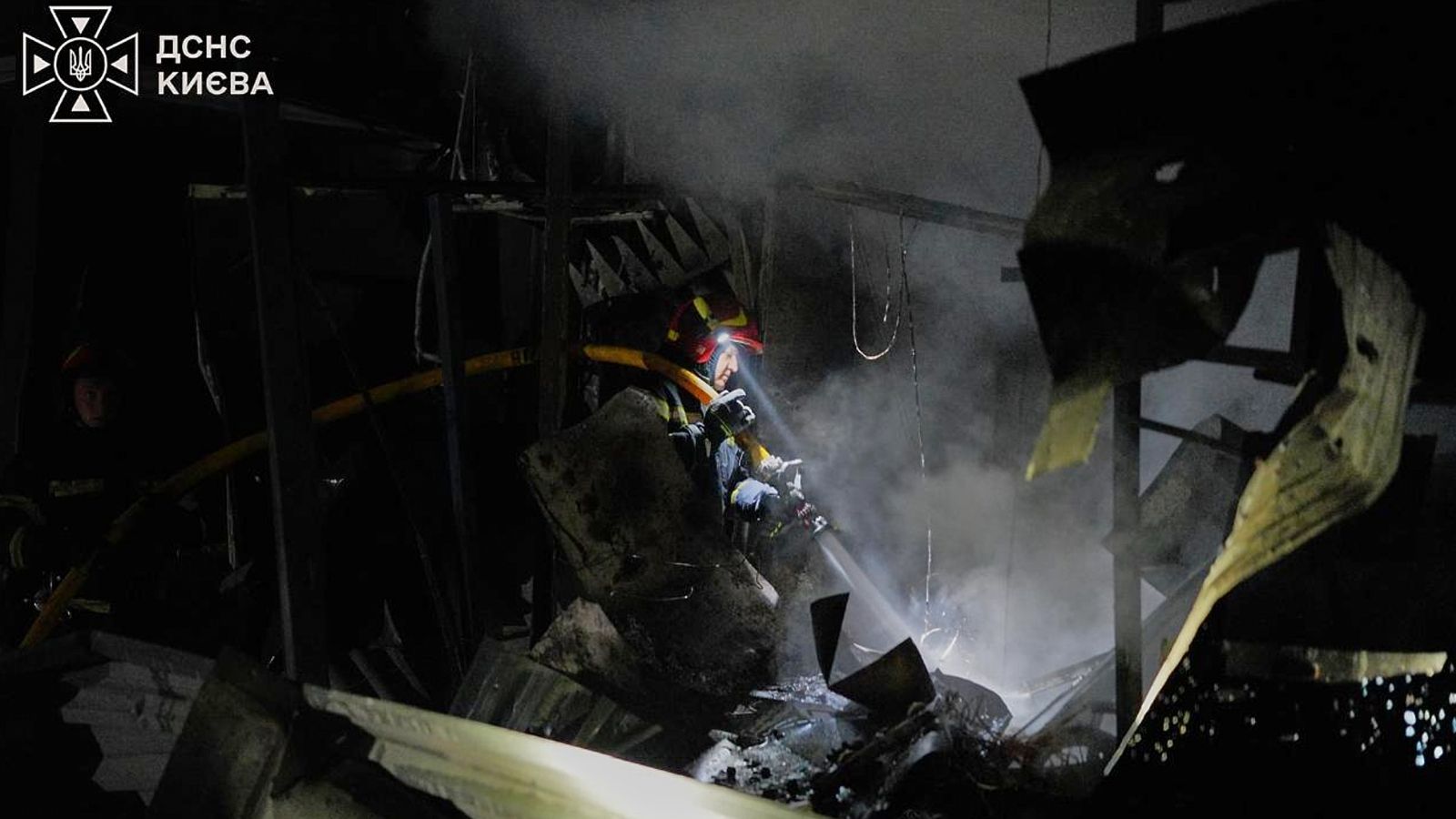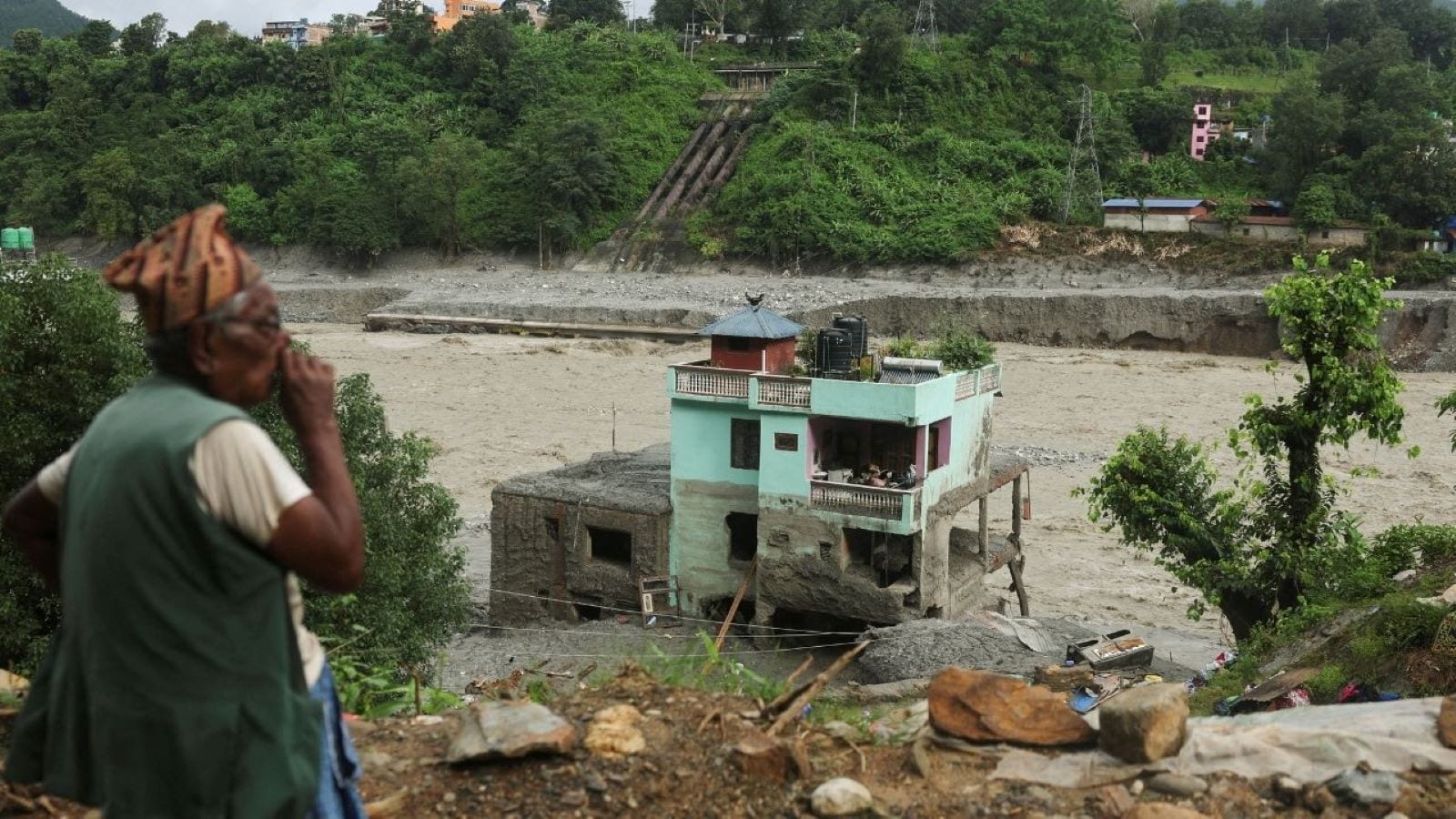
The wall of water did not care about age, pedigree, or the iron-reinforced calculations of engineers when it tore down the Himalayan valleys along the Nepal-China border. When a glacial collapse triggered catastrophic flash flooding across Rasuwa and Nuwakot, the subsequent coverage predictably retreated to safe, comforting clichés. Headlines zoomed in on human-interest snapshots—a toddler rescued from the muck, an elderly resident clutching a pet—while sidestepping the systemic institutional failures that turned an environmental shock into a multi-national mass casualty event.
More than 950 people have been confirmed dead across Nepal and Tibet, with thousands remaining unaccounted for. Behind those grim tallies lies a brutal reality check regarding how South Asia manages transboundary water risks, industrial encroachment in unstable mountain terrain, and the lethal mismatch between early warning technology and bureaucratic inaction. You might also find this connected coverage useful: Why Ontario Oregon Renaming Proves Local Politics is Just Theater.
The Anatomy of a Man-Made Multiplier
To understand why a glacier collapse translated into an industrial-scale catastrophe, look past the rain clouds and examine the concrete shafts bored deep into the mountain ranges. Over the past two decades, the Trishuli River basin and surrounding gorges have transformed into a major hub for hydropower development. Dozens of run-of-the-river projects and sprawling construction sites pepper the steep valleys, designed to feed energy demands across the region.
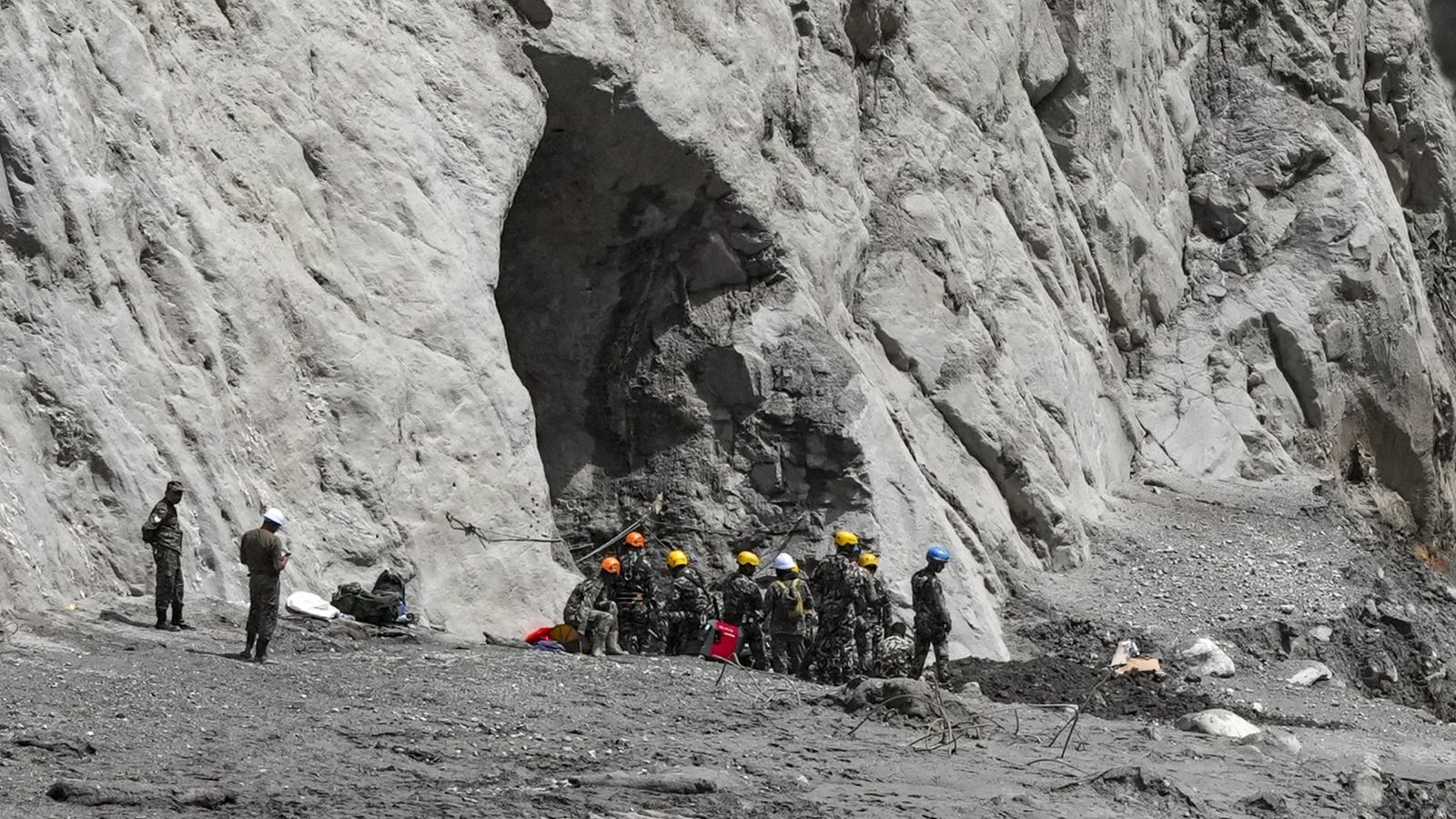
These projects require massive underground tunnels—some wide enough to drive commercial trucks through—and worker camps built directly on the floodplains. When the glacial lake breached high above Gyirong Port, millions of cubic meters of water, mud, and debris did not just follow natural riverbeds; they acted as a hydraulic battering ram directed precisely at these bottlenecked industrial zones. As reported in recent reports by Associated Press, the results are worth noting.
Hundreds of construction workers and engineers were trapped inside subterranean tunnels not because they ignored evacuation orders, but because warning systems failed to bridge the gap between Chinese monitoring stations upstream and vulnerable camps downstream. Transboundary data-sharing protocols between Beijing and Kathmandu remain informal, fragmented, and vulnerable to political friction. By the time emergency notifications cascaded down local communication channels, the muddy torrent was already moving faster than human foot traffic could escape.
The Mirage of Modern Disaster Preparedness
International aid organizations frequently praise local resilience, highlighting stories of survivors who clung to mango trees or crawled out of silt-choked ravines. These narratives, while emotionally true, obscure a dangerous policy failure. Resilience has become a polite euphemism for government abandonment.
When infrastructure collapses—washing out nearly 40 kilometers of vital mountain roads and dozens of bridges in a single afternoon—the immediate response relies almost entirely on military helicopters and improvised ground searches. Nepal's disaster management authorities operate under chronic resource starvation, relying on reactive foreign aid appeals rather than pre-positioned regional logistics hubs.
Consider the logistical absurdity exposed during the critical first seventy-two hours of the crisis. Families converged on Kathmandu hospitals and military barracks in Nuwakot, taping photocopies of missing relatives to concrete walls because centralized digital tracking systems buckled under the load. Foreign tourists, migrant laborers, and local villagers were lumped into chaotic spreadsheets that took days to reconcile. Search-and-rescue teams deployed to major sites like the Upper Trishuli-1 project found themselves moving massive volumes of wet earth with basic hand tools before heavy excavation machinery could be airlifted or trucked through destroyed corridors.
The Cost of Ignoring the Third Pole
The catastrophe along the northern border is a warning flare for the entire Hindu Kush Himalayan region, often dubbed the Third Pole. As global temperatures climb, high-altitude glacial lakes are expanding at an unsustainable rate, creating unstable natural dams that can rupture with little warning.
Yet, regional planning frameworks continue to treat these glacial outburst floods as black swan events—abnormal aberrations outside the scope of normal risk calculation. They are not anomalies. They are predictable consequences of pairing aggressive industrial expansion in fragile high-altitude zones with twentieth-century safety margins. Hydropower developers and state regulators accepted high risks for high economic yields, banking on the statistical unlikelihood of a catastrophic breach during their operational lifespans.
Now, the bill has arrived. Rebuilding the destroyed infrastructure will cost billions of dollars, but pouring concrete back into the exact same gorges without fundamentally rethinking watershed management guarantees a repeat performance. Until regional governments establish real-time, automated transboundary early-warning networks and ban permanent worker housing from high-risk flood channels, every new dam built in the Himalayas is simply another monument waiting for the next thaw.