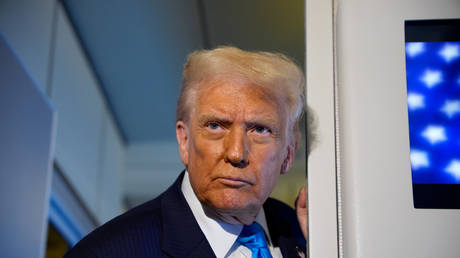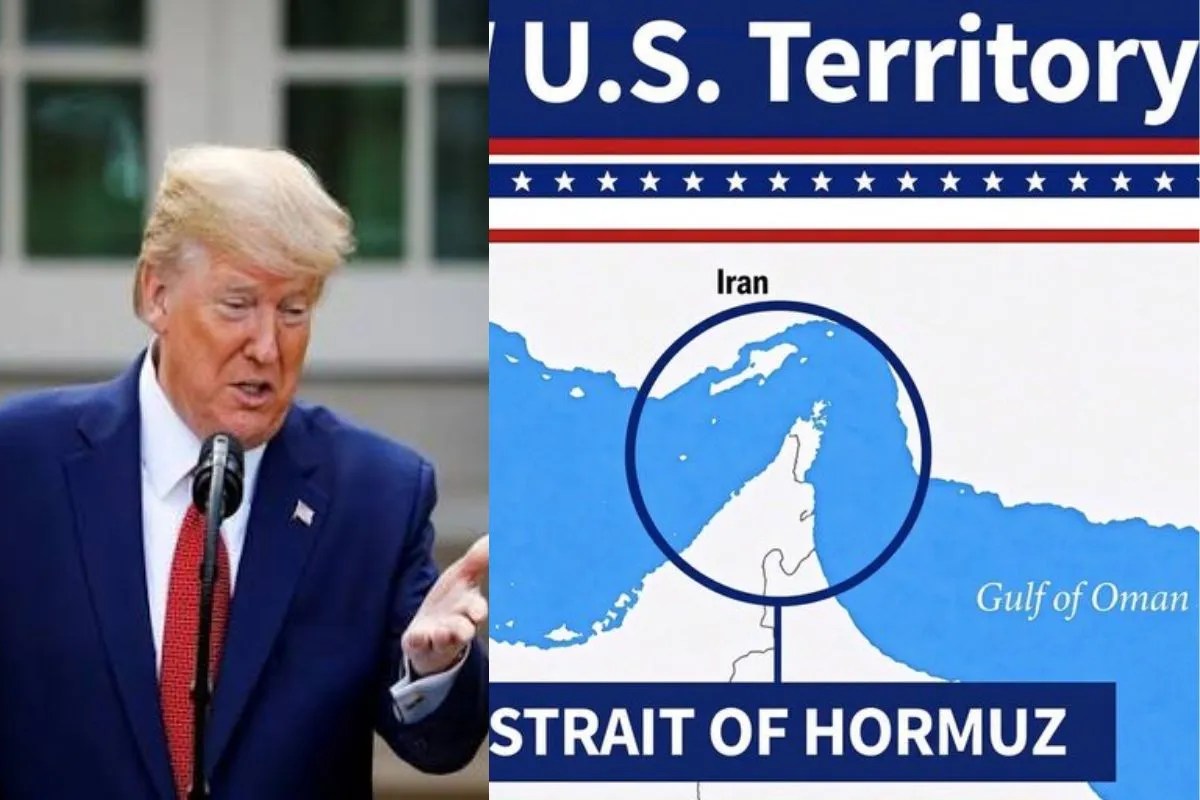
Donald Trump has never met a border he could not redraw or a piece of global infrastructure he could not rebrand with a marker. The latest target of this cartographic bravado is the Strait of Hormuz, the narrow maritime bottleneck through which a massive share of the world's petroleum supply flows daily.
The United States President took to his preferred digital megaphone, Truth Social, to share an image designating the strategic chokepoint as "NEW U.S. Territory". Flanked by blue outlines of the Persian Gulf and the Gulf of Oman, the graphic quickly ignited a firestorm from Tehran to foreign ministries across Europe. Learn more on a similar topic: this related article.
Yet beneath the internet-era meme culture of the post lies a grim reality of maritime warfare, collapsed ceasefires, and an energy corridor held hostage by competing claims of sovereignty.
The Anatomy of a Digital Provocation
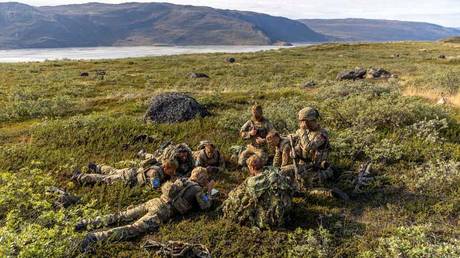
When a sitting American president publishes a map labeling a sovereign Middle Eastern strait as domestic real estate, international law experts cringe, but political tacticians recognize the pattern. Trump has previously floated ideas about absorbing Greenland, renaming major bodies of water, and treating international boundaries like real estate portfolios. Additional journalism by TIME explores related views on the subject.
The post did not emerge in a vacuum. It followed weeks of escalating rhetoric claiming total American dominance over the waterway following the collapse of a temporary June memorandum of understanding between Washington and Tehran.
The expired agreement was designed to ease maritime traffic and roll back sanctions. Instead, it disintegrated amid mutual accusations of bad faith, leaving commercial shipping caught in the crossfire. By posting the map, the administration blurred the boundary between digital political theater and direct geopolitical escalation.
Economic Leverage Behind Closed Routes
The core dispute centers on who actually controls the navigation lanes. The White House insists that a rigorous naval blockade has brought stability to the region, claiming that commercial traffic is moving safely and driving down global oil prices.
Iranian officials flatly reject this narrative. Tehran maintains that the waterway remains effectively shut under its watch, dependent on compliance with a strict set of conditions that include the complete lifting of American economic sanctions and the release of frozen assets.
For global energy markets, this friction is more than a war of words. Tanker traffic through the Persian Gulf requires absolute predictability. When leadership in Washington declares a vital export route to be a new territorial acquisition while authorities in Tehran vow to keep it padlocked, shipping insurers respond with skyrocketing premiums and alternative routing that adds billions to global supply chains.
The Danger of Blurring Meme and Mandate
Foreign policy traditionalists argue that treating critical geopolitical flashpoints like social media punchlines carries immense risk. When allies and adversaries alike attempt to decode whether a presidential post is a satirical jab or an official declaration of policy, room for miscalculation widens.
Iranian leadership responded to the map with swift condemnation, warning that such delusions would be corrected by force if necessary. Meanwhile, regional neighbors sharing the coastline watch anxiously as Washington bypasses traditional diplomatic channels in favor of public ultimatums.
The strategic waterway remains narrow, deep, and fiercely contested. As the post-ceasefire landscape hardens into a prolonged standoff, the gap between digital posturing and naval reality leaves the world's most vital energy corridor walking a dangerous tightrope.