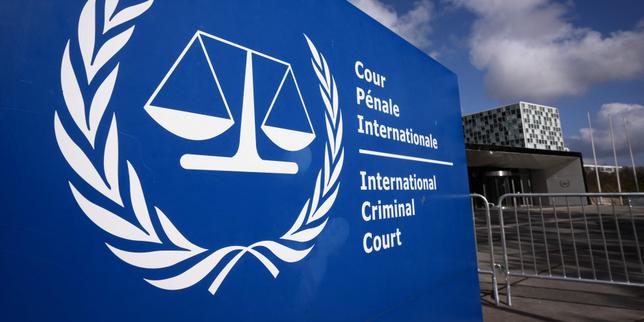
When the European Parliament awarded the 2026 Sakharov Prize for Freedom of Thought to the International Criminal Court and its officials on October 22, 2026, lawmakers framed the vote as a firm stand against Washington. Yet the real story sits behind the applause. A prize costs nothing. Shielding a sanctioned war crimes tribunal from American financial and legal pressure requires activating the EU Blocking Statute, a move Brussels has repeatedly hesitated to make.
Diplomatic theater is cheap in Strasbourg. Banking compliance in Frankfurt and Amsterdam is not.
Why the Sakharov Prize Lands in The Hague Right Now
The timing of the Sakharov Prize selection was deliberate and pointed. Just two weeks earlier, on October 9, 2026, the Trump administration added the International Criminal Court itself to its sanctions list, escalating a campaign that had already targeted individual prosecutors, deputy prosecutors, and judges, including the court's president. That same day, the Norwegian Nobel Committee awarded the Nobel Peace Prize to former ICC judge Navi Pillay, creating a sudden cluster of institutional backing for international justice just as Washington moved to squeeze the court's operations.
European Parliament President Roberta Metsola announced the laureate choice to a standing ovation, casting the European Union as a defender of multilateralism and international law. Named after Soviet dissident Andrei Sakharov and awarded annually since 1988, the prize carries immense moral weight across Europe. On paper, honoring the International Criminal Court signals that Brussels refuses to let Washington dictate the boundaries of war crimes accountability.
In practice, Parliament's vote exposes a fault line inside European power. Parliament can confer prestige and pass non-binding resolutions. It does not control the European Commission's delegated acts, nor does it hold the veto pen inside the Council where national capitals weigh transatlantic security ties against legal principle.
The Real Battleground Is Compliance, Not Rhetoric
Sanctions rarely kill an international institution with a single decree. They starve it through everyday friction.
When Washington sanctions an institution or its officials, commercial banks, cloud software vendors, payment processors, and insurers inside and outside the United States face a stark calculation. Even without formal extraterritorial reach over every European transaction, institutions with dollar clearing lines, American subsidiaries, or US market exposure frequently over-comply out of fear of secondary penalties or lost licenses. Legal scholars and human rights groups have warned that European banks, insurers, and software providers serving the International Criminal Court face acute exposure, with a wind-down or ordinary-dealings license running into April 2027.
| Mechanism | Who Wields It | Practical Impact on the Court | Key Limitation |
|---|---|---|---|
| Sakharov Prize | European Parliament | High political visibility and moral backing | No binding legal shield for banks or vendors |
| Commission Service Notice | European Commission | Signals expectation that EU service providers continue operating | Less legally coercive than an updated blocking regulation |
| EU Blocking Statute | European Commission and Council | Prohibits compliance with listed foreign sanctions; creates legal recourse | Historically tested under US pressure; requires political will to enforce |
| US Sanctions & April 2027 Clock | US Executive Branch | Threatens banking, software, insurance, and operational choke points | Faces diplomatic pushback and shifting legal dynamics |
Consider a hypothetical example to see how commercial pressure works on the ground. Suppose a mid-sized European software vendor provides encrypted document storage or legal case management tools to investigators in The Hague. Its general counsel looks at a US sanctions designation and asks whether a routine American audit or cloud partnership could be jeopardized if the firm keeps invoicing the court. Without ironclad legal protection at home, risk-averse compliance officers pull back first and ask political questions later.
The court has reportedly worked to strip US financial exposure out of its transactions. That defensive step helps, yet modern legal institutions still rely on digital infrastructure, financial rails, insurance coverage, and cross-border cooperation. A Sakharov trophy cannot process a payroll transfer or renew a software license.
Why the EU Blocking Statute Remains Stuck in Neutral
If Europe wants to move past applause, legal analysts point straight to the EU Blocking Statute. Originally designed to counter extraterritorial sanctions—most famously those targeting Cuba and Iran—the regulation forbids EU operators from complying with listed foreign sanctions unless authorized, and allows them to seek recovery in European courts for damages caused by those measures.
Lawmakers in the European Parliament have pressed for months to use the statute to protect the International Criminal Court. Capitals such as Spain and Belgium have backed pushing protective measures forward, while other EU member states remain hesitant to trigger an open legal and financial clash with Washington. The European Commission has issued guidance urging EU-based service providers to keep serving the court, yet adding the October 2026 sanctions squarely under the blocking statute has stalled amid intra-bloc caution.
Why the hesitation? Decades of transatlantic statecraft have taught European policymakers that economic confrontation with Washington carries collateral costs across trade, defense, and intelligence sharing. Past experience with US sanctions on Iran also showed a sobering truth: a statute on paper does not automatically override a bank's fear of losing access to US financial markets.
Honoring a court in Strasbourg while leaving its European vendors exposed in Frankfurt is a half-measure that leaves the hardest work undone.
Critics of the International Criminal Court also raise counter-arguments that European leaders cannot simply wave away. Opponents in Washington and elsewhere argue that the court overreaches its mandate, politicizes prosecutions, or applies uneven scrutiny across global conflicts—an argument that gained fresh traction after arrest warrants were sought against senior Israeli officials in 2024 and amid broader debates over sovereignty and jurisdiction. Even among supporters of international justice, some diplomats worry that a sharp escalation with the White House could make practical cooperation on other fronts harder to sustain.
A Fragile Moment for Global Accountability
The clash over the Sakharov Prize is unfolding while the broader architecture of international criminal justice faces strain from multiple directions. Several states—including Burkina Faso, Chad, Mali, Niger, and Venezuela—have moved to withdraw from the court, eroding universal membership just as conflicts in Eastern Europe, the Middle East, and Africa test global legal norms.
Meanwhile, diplomatic maneuvering continues right up against the April 2027 sanctions timeline. In mid-November 2026, reports emerged that the International Criminal Court formally shelved plans to pursue a long-dormant inquiry into potential unlawful acts by US personnel in Afghanistan due to evidentiary hurdles, a development observers noted could shift incentives around US sanctions pressure even as tensions over other rulings simmer.
For the European Parliament, awarding the Sakharov Prize to the International Criminal Court and its officials was an unmistakable political statement. Whether that statement turns into durable protection depends on what happens between now and April 2027 in Brussels' committee rooms, national ministries, and corporate compliance departments.