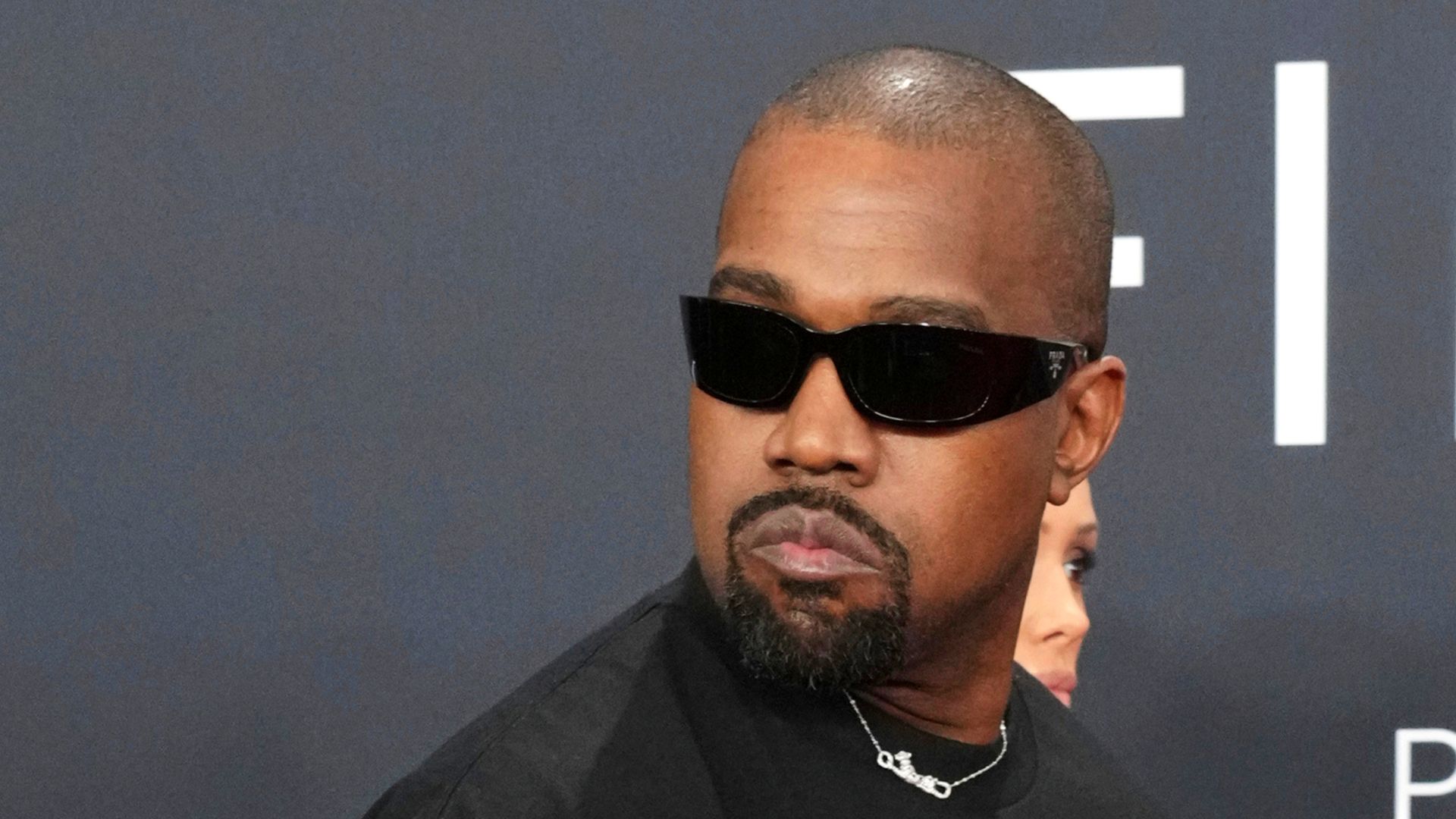
Italy has officially slammed the door on Kanye West. In a definitive move that signals the complete unravelling of the rapper’s European touring infrastructure, local authorities in the northern city of Reggio Emilia have banned his scheduled July performance at the massive 103,000-seat RCF Arena.
The restriction goes beyond mere corporate squeamishness or a brand partnership severed in a boardroom. This is a state-enforced shutdown. Reggio Emilia Prefect Salvatore Angieri issued the cancellation order on explicit grounds of public order and national security, caving to sustained pressure from the consumer protection group CODACONS and the local Jewish communities of Modena and Reggio Emilia.
What makes this collapse unique is its collateral damage. The ban did not just target Ye; it also swallowed Travis Scott, who was scheduled to headline the same venue just 24 hours earlier on July 17 under the banner of the Pulse of Gaia Festival. By scheduling two of hip-hop’s most volatile live acts on back-to-back nights, organizers created a logistical nightmare that Italian security officials decided was fundamentally unmanageable.
The Anatomy of a Live Nation Nightmare
The RCF Arena is one of the largest open-air music venues in Europe. It is a vast, open concrete basin designed for massive cultural consumption, but it requires precise municipal coordination to function safely.
When organizers attempted to stack Travis Scott and Kanye West into a 24-hour window, they triggered an immediate risk assessment from local law enforcement. Scott’s touring footprint remains heavily scrutinized following the 2021 Astroworld tragedy in Houston, where a catastrophic crowd crush left 10 people dead. Stacking that specific crowd-management risk directly against the political volatility of a Kanye West appearance was a gamble Italian authorities refused to take.
Prefect Angieri openly cited the "concrete risk" of violent protests and organized counter-demonstrations targeting West. The sheer volume of people expected to descend on the region within a single day threatened to completely overwhelm the local transit infrastructure, emergency services, and police presence.
The Continental Blacklist
Italy is not an isolated incident. It is merely the latest domino to fall in a broader European blockade that has systematically dismantled West’s ability to operate in Western democracies.
The administrative machinery of several nations has been deployed to keep West off their stages.
- The United Kingdom: In April, British authorities denied West entry into the country entirely, utilizing public-good clauses to effectively cancel his headline appearance at London's Wireless Festival.
- France: A planned stadium show in Marseille was abruptly postponed and then abandoned after reports surfaced that the French central government was actively moving to block his arrival.
- Central Europe: Scheduled performances in both Poland and Switzerland were quietly wiped from the calendar following intense local political backlash.
While West has repeatedly pointed to his diagnosed and untreated bipolar disorder as a context for his behavior, European cultural ministers and local municipal leaders are treating his presence as a straightforward threat to civic peace. The tolerance for rhetoric praising fascist historical figures or utilizing Nazi imagery is virtually zero across European jurisdictions, where hate-speech laws carry real criminal weight.
The Broken Economics of Independent Stadium Tours
For decades, stadium-level artists operated with a safety net provided by global promoters like Live Nation or AEG. These corporate giants manage the insurance policies, secure the local permits, and buffer the financial risks of massive international undertakings.
West no longer has that safety net.
Operating as an independent entity means his team must negotiate directly with local venues and regional promoters who lack the political capital or the financial reserves to withstand a major public backlash. When a local prefect steps in to cancel an event over security concerns, the financial blow falls squarely on the local promoters and the artist's own production company.
The costs of staging these aborted events are staggering. Millions of dollars are sunk into venue deposits, stage design, local security contracts, and international logistics long before the first ticket is scanned. When an entire leg of a tour collapses across four different borders, the insurance payouts are frequently voided by clauses relating to civil unrest or the personal conduct of the performer.
The Geopolitical Shift in Live Music
As Western Europe closes its borders to West, a new touring geography is emerging. The artist is increasingly forced to look toward markets where Western political consensus holds less sway.
Hours after the Italian ban was announced, West was on a stage in Istanbul, Turkey. The Netherlands has also indicated it will allow him to perform, with the Dutch migration minister stating there are no explicit legal grounds to deny his entry visa.
This creates a fractured landscape for global entertainment. High-profile artists are no longer universally welcome commodities; they are subject to the same geopolitical alignment as trade goods or diplomatic envoys. The definitive takeaway from the Italian shutdown is that the live music industry can no longer separate performance from the political realities of the territory. If an artist becomes a public safety liability, the state will step in and pull the plug, regardless of how many thousands of tickets have been sold.


