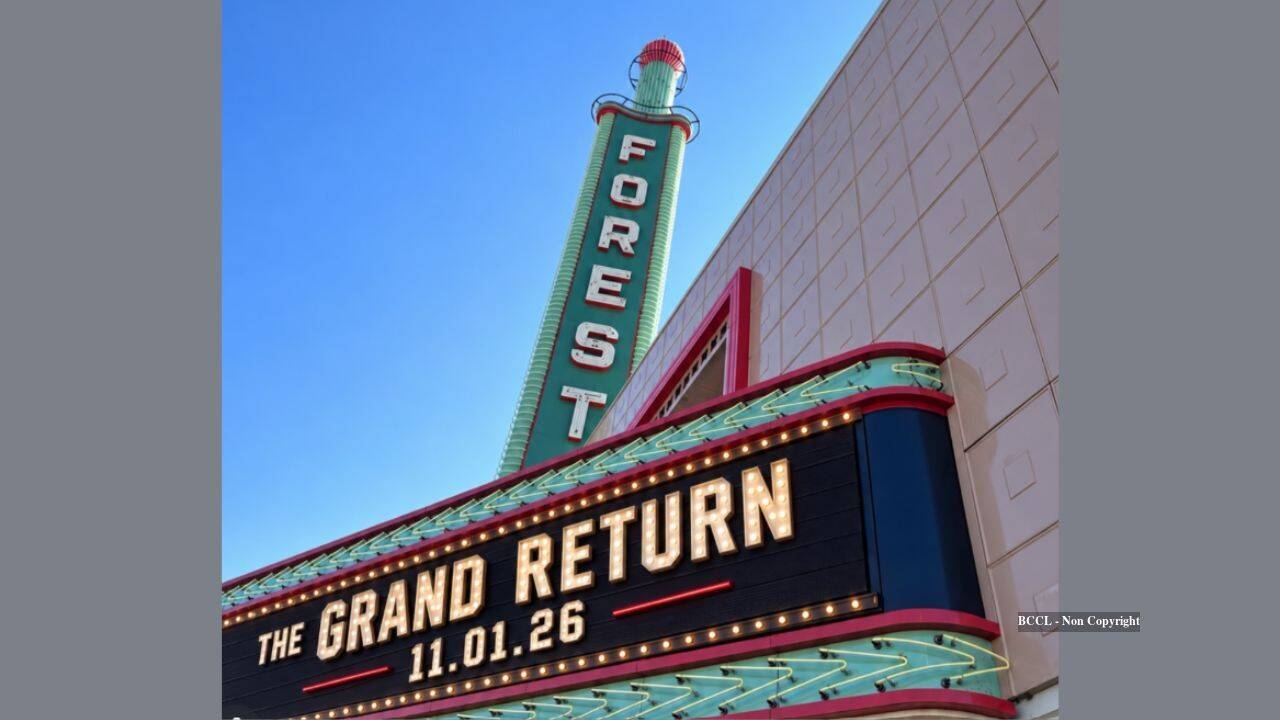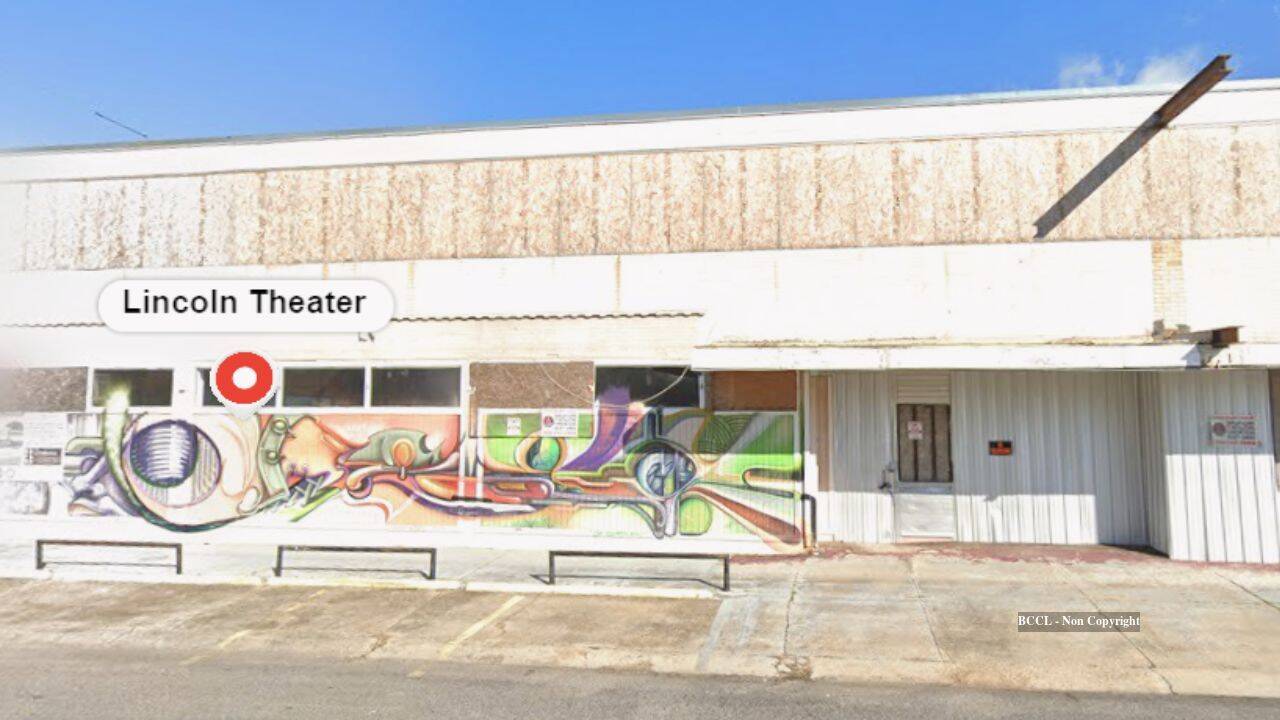
Louisiana’s historic Lincoln Theater is reopening its doors in Baton Rouge after more than a decade of grinding construction, copper theft, and piecemeal grants. Yet the ribbon-cutting in late October 2026 does not mark the end of the struggle; it marks the start of a much harder financial test. Restoring a shuttered 1949 landmark on South Baton Rouge’s Myrtle Walk required roughly $4 million. Keeping the lights on when the novelty fades is another matter entirely.
Anyone who has watched mid-sized cultural venues across the South knows the pattern. Ribbon cuttings bring cameras, brass bands, and warm speeches from politicians who remember watching movies in the balcony as kids. Six months later, when an HVAC chiller dies in August or a seasonal show sells half its house, the cameras are gone. The real story of the Lincoln Theater isn’t just that it survived decay and vandalism. It is whether a community-anchored museum and performance hall can beat the operating math that sinks so many historic theaters.
Why Historic Venue Restorations Stall Before the Curtain Rises
Most coverage of historic theater revivals treats opening night as a fairy tale ending. In reality, opening night is often the most fragile moment in a building’s second life.
Capital campaigns are built on nostalgia and civic pride. Donors and lawmakers like funding visible milestones: a replicated neon marquee lighting up a block, crimson orchestra seats, freshly embroidered curtains bearing the script “L”, or a historic terrazzo floor matched to a new entryway. Those details matter. They tell neighborhood residents that their memory wasn’t whitewashed or paved over.
Operating budgets are built on cold arithmetic. Every square foot of restored plaster, every theatrical lighting rig, and every climate-controlled museum gallery carries fixed monthly costs whether a ticket is sold or not.
At the Lincoln Theater, the Louisiana Black History Hall of Fame spent years assembling capital piecemeal. Board members have spoken candidly about chasing grants and falling just short time after time. When you fund a multi-million-dollar project in increments rather than a single lump sum, inflation eats into scope, schedules stretch across years, and unglamorous essentials—roofing, plumbing, asbestos and mold remediation, electrical panels—consume money that donors wish had gone straight to the stage.
Consider a hypothetical example to see how tight the margins can get. Suppose a restored neighborhood theater and museum needs $450,000 a year just to cover utilities, insurance, basic maintenance, and a lean staff. Even if the auditorium hosts 40 ticketed nights a year at an average net take of $4,000 per night, box office and rental income would bring in only $160,000. That leaves a $290,000 annual hole that must be closed through museum admissions, private events, sponsorships, or ongoing philanthropic support.
That math explains why organizers at the Lincoln Theater haven’t pretended the ledger is finished. Roughly 200 balcony seats still need restoration funding, and ongoing operating money remains an active priority. Calling that out openly is far more honest than pretending a ribbon cutting solves cash flow.
What Was Actually Inside the Building Before Crews Rebuilt It
To understand the scale of the lift on Myrtle Walk, you have to look past the romance of mid-century cinema and see what decades of vacancy do to brick and mortar.
Opened in 1949 during the era of segregation, the Lincoln Theater was never just a place to catch a picture. Like the best neighborhood anchor properties of its era, it bundled daily life under one roof. Patrons came for films and live acts—names tied to the building’s lore and surrounding community include figures like Mahalia Jackson, Otis Redding, B.B. King, Aretha Franklin, and Nat King Cole—while adjacent storefronts and spaces housed everyday businesses like a barbershop, pharmacy, deli, and upstairs offices.
Upstairs in those offices sat a chapter of American history that still carries weight far beyond South Baton Rouge. Rev. T.J. Jemison and local organizers used the space in connection with the 1953 Baton Rouge bus boycott, an organizing effort that preceded and helped shape the 1955–1956 Montgomery bus boycott led by Dr. Martin Luther King Jr. A building with that kind of civic history carries expectations that a standard commercial multiplex never faces.
Once the theater closed in the 1980s, time and neglect moved fast. Stripped copper wiring and stolen metal are classic hallmarks of long-vacant urban structures across the country. Add broken windows, basement air-conditioning damage, water intrusion, and routine decay, and you aren’t doing a quick coat of paint. You are doing structural triage.
Project engineer Morgan Watson summarized that grim starting line at the ribbon cutting: copper wire stolen, metal stripped, basement cooling vandalized, windows broken, marquee battered. Getting a structure like that permitted, safe, and code-compliant again requires patience that outlasts most news cycles.
The Museum and Studio Bet That Could Change the Math
Here is where the Lincoln Theater project gets genuinely interesting from an industry standpoint. A stand-alone historic movie house struggling to book first-run films or compete with regional arenas often bleeds cash. Pairing a performance hall with the Louisiana Black History Hall of Fame museum and cultural center—along with modern production and workshop spaces—changes the value proposition.
A museum gives the property daytime purpose. School tours, history buffs, out-of-town visitors looking for civil rights landmarks, and community groups have reasons to walk through the doors on a Tuesday afternoon when no play or concert is scheduled.
Even more intriguing is the push into media and creative production, including audio recording and youth workshops around podcasting and game development. Veteran industry observers know a simple truth about creative spaces: stages are expensive to program every week, while studios and classrooms can stay busy on smaller budgets. If local musicians, podcasters, educators, and young creators actually use those rooms, the building becomes a working neighborhood hub rather than a shrine opened only for special occasions.
Live theater programming, slated to be run by Baton Rouge’s UpStage Theatre—starting with a December run of Mahalia: A Gospel Musical—gives the auditorium a clear artistic identity right out of the gate. Pairing gospel and Black cultural storytelling with a civil rights site isn’t accidental programming; it aligns the venue’s brand with the exact reason people care whether the building stands.
Where the Strategy Can Still Trip Up
Ambition doesn’t guarantee execution, and there are real friction points ahead that leaders will have to manage closely:
- Programming consistency: A high-profile debut production generates buzz, yet sustaining a full calendar of plays, screenings, community forums, and youth workshops year after year requires steady artistic and administrative bandwidth.
- Unfinished capital items: Leaving balcony seats unfinished after reopening is practical when you want to open the doors, but partial spaces can also create perception gaps if visitors wonder when the whole room will feel complete.
- Neighborhood parking and foot traffic: South Baton Rouge has changed dramatically since 1949. Evening events live or die on whether visitors feel safe, well-directed, and welcome getting from their cars to their seats.
- Governance and succession: Long grassroots restorations are often driven by a dedicated core of board members and elders. Handing operational reins to day-to-day managers without losing institutional memory is one of the hardest transitions in nonprofit culture.
What Other Cities Should Actually Copy From Baton Rouge
Too many municipal leaders look at a restored theater and copy the wrong things. They buy a neon sign and call it economic development.
If other towns with shuttered neighborhood landmarks want a real blueprint from the Lincoln Theater revival, four lessons stand out:
- Secure control of the asset early. Acquiring the vacant building with an initial $345,000 state appropriation gave the Louisiana Black History Hall of Fame a concrete foothold to build upon rather than watching the property decay further or slip into speculative hands.
- Spend restoration dollars where memory lives. Matching original finishes—seats, curtains, concession placement, floor tile—signals respect for the community’s lived history instead of turning the venue into a generic event hall.
- Build daytime and studio utility into the plan. A museum, event space, or recording studio gives the building reasons to operate when the main curtain is down.
- Tell the truth about what’s left to fund. Naming specific remaining needs—like those 200 balcony seats—gives supporters a concrete target instead of vague talk of future phases.
The Verdict After the Ribbon Is Cut
Preservation is an act of stubbornness. Keeping a ruined building alive for more than a decade takes more grit than glamour, and the people who pushed the Lincoln Theater back toward life earned their moment on Myrtle Walk.
Now comes the harder work of proving that historical weight can pay its own way. Watch what happens next spring—not on opening night, when everyone is cheering, but on a quiet weeknight when a local artist records a track, a student learns a new skill, or a family walks past the lit marquee into a room that finally feels alive again.