The fatal shooting of Johan Sebastián Durán Guerrero by federal immigration agents on the streets of Biddeford, Maine, has laid bare a profound disconnect between the rhetoric of political consensus and the reality of a militarized federal agency operating with near-total impunity.
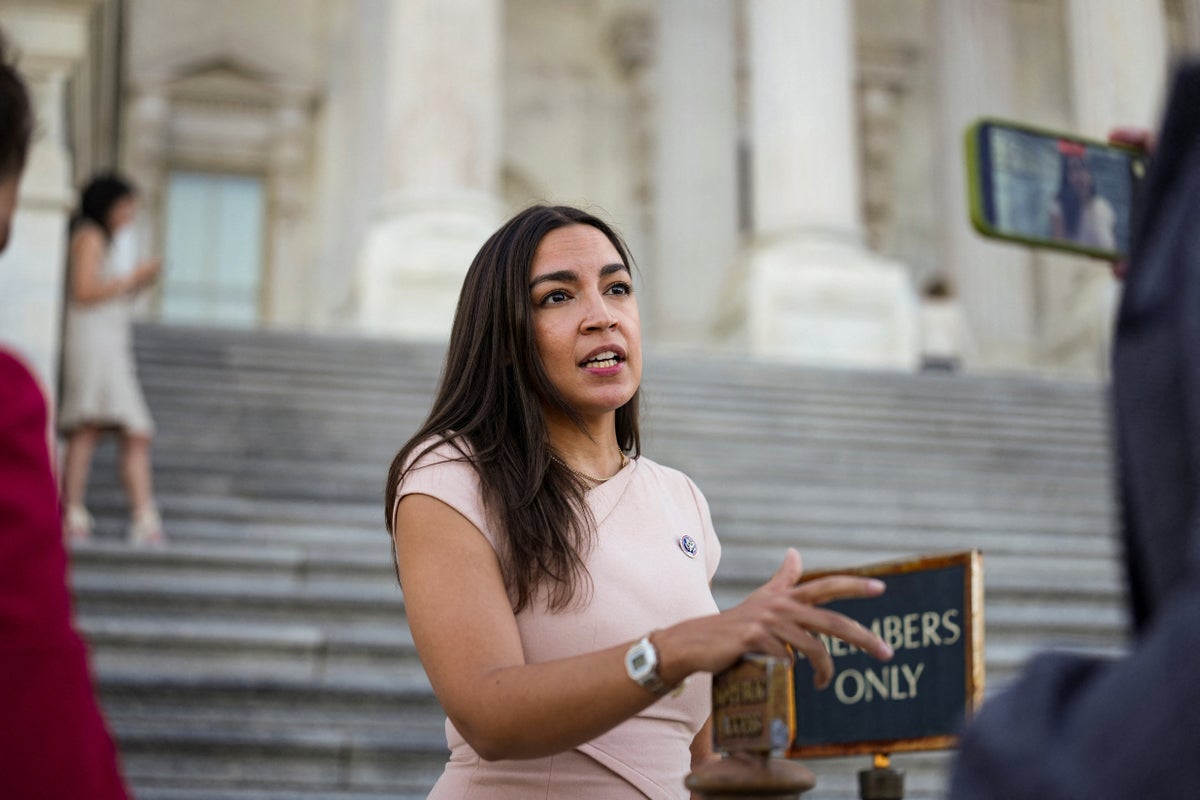
When a 26-year-old Colombian national, authorized to work and holding a valid Social Security number, is shot dead during a routine commute, the machinery of immigration enforcement demands immediate diagnostic scrutiny. The tragedy represents a flashpoint in a quiet, years-long expansion of Immigration and Customs Enforcement (ICE) operations into regions historically removed from intense border enforcement. At the center of the political storm is Senator Susan Collins, whose unique position as a key moderate funding arbiter has placed her directly in the crosshairs of national and local critics, including Representative Alexandria Ocasio-Cortez and local Maine organizers. They argue that the senator’s strategy of quiet compromise has effectively cleared a path for federal overreach without basic oversight.
The Myth of the Tactical Retreat
In January, amid mounting local anxiety over an aggressive federal enforcement push in Maine, Senator Susan Collins announced that ICE had agreed to wind down its "enhanced" operations in the state. She positioned herself as a vital backchannel, a moderate dealmaker capable of tempering the worst excesses of a hardline presidential administration.
But the Biddeford shooting reveals that the federal apparatus never actually retreated. It merely changed its posture.
While public relations announcements suggested a de-escalation, field operations continued apace, shifting to less visible, highly mobile vehicle stops. The fatal encounter on Pool Street occurred during an operation where agents were not wearing body cameras, despite years of Congressional debates and funding provisions supposedly earmarkers for federal law enforcement accountability.
Internal DHS accounts state that Durán Guerrero, who was not the target of the agency's primary warrant, "weaponized" his vehicle, prompting an agent to fire. Eyewitness accounts present a far more distressing narrative, describing a young father trying to stop his vehicle before being dragged from the car after shots were fired. The complete lack of video evidence leaves the community with only the agency's self-serving narrative to rely on.
This is not an isolated incident. The shooting in Maine marks the second fatal ICE encounter on domestic soil within a single week, and at least the ninth death since the administration initiated its latest enforcement push. The pattern indicates that the tactical culture of the agency remains unchanged, regardless of political assurances made in Washington or Augusta.
The Appropriations Machine and the Blank Check
The critique leveled by progressive lawmakers like Alexandria Ocasio-Cortez goes beyond the tragedy of a single morning in Biddeford. It targets the legislative pipeline that funds these operations.
As the senior Republican on the Senate Appropriations Committee, Collins wields immense influence over the federal purse. Critics point out that she has repeatedly voted to advance multi-billion-dollar funding packages for the Department of Homeland Security without attaching binding, non-negotiable reform mandates.
Federal Immigration Funding Allocations vs. Reform Mandates
+-----------------------------------+-----------------------------------+
| Spending Package Component        | Actual Enforcement of Mandates    |
+-----------------------------------+-----------------------------------+
| $64B DHS Funding Bill             | Passed without binding reform     |
| $20M Body Camera Allocation       | Discretionary, unenforced in field|
| $2M De-escalation Training        | Non-mandatory, lack of oversight  |
+-----------------------------------+-----------------------------------+
While Collins has pointed to millions of dollars allocated for body cameras and de-escalation training within DHS packages, these provisions lack teeth. They are structured as discretionary spending rather than hard compliance thresholds. The agency is permitted to draw down billions of dollars for personnel and enforcement operations while treating safety and transparency initiatives as optional, secondary objectives.
This legislative structure allows federal agencies to accept the capital while ignoring the civilian protections meant to accompany it. By voting to advance these massive appropriations bills to keep the government open or to secure other regional concessions, lawmakers essentially sign a blank check. The cash flows directly to the field, where unchecked tactical units operate under internal guidelines that prioritize detention quotas over community safety.
Local Resistance and the Limits of State Power
The backlash in Maine has exposed the limits of local and state authority when confronting a dominant federal entity. In the wake of the shooting, Governor Janet Mills and state legislators have championed emergency legislation designed to restrict ICE's access to state and local properties. Under proposed state measures, federal agents would be barred from entering the private areas of public schools, hospitals, and libraries without a valid judicial warrant.
But state-level brick walls do little to protect individuals on public roadways. Under federal immigration statutes, ICE retains broad authority to conduct stops and investigations within 100 miles of any international boundary or coastline. In a coastal state like Maine, this geographic carve-out covers virtually the entire population.
Local mutual aid networks and advocacy groups, such as Presente! Maine, have long warned that incremental reforms and geographical limits are insufficient. They argue that as long as the federal funding mechanism remains uninterrupted, the pressure to produce enforcement metrics will inevitably result in more fatal street-level encounters.
The political fallout for Collins is compounding rapidly. For decades, her political brand has relied on the premise that her senior status on appropriations committees directly benefits her constituents. Now, opponents are using that very proximity to power to hold her accountable for the actions of a federal agency operating in her backyard. The argument is straightforward: if you have the power to write the checks, you have the responsibility to control how the money is spent.
Rather than offering a solution, the current political landscape reveals an agency that has grown too insulated to be reformed by simple legislative hand-wringing. The Biddeford shooting shows that when accountability is treated as a secondary priority in the halls of Congress, the cost of that compromise is ultimately paid in civilian lives on local streets.