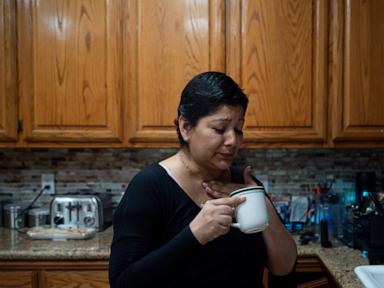
Conservative voters in rural communities across the United States are facing a devastating financial reality when serious illness strikes. Millions who consistently vote for conservative political platforms find themselves financially ruined by medical bills after diagnoses like cancer, despite holding health insurance. This disconnect stems from a system that relies on high-deductible health plans, narrow hospital networks, and uncollected medical debt, creating a crisis where personal political philosophy collides directly with the cold math of healthcare economics.
The promise of modern American healthcare insurance was simple. Work hard, pay your premium, and protected status follows. That arrangement has collapsed.
Across middle America, families who built their financial lives around self-reliance are discovering that coverage no longer equals protection. A single oncology bill or emergency surgical procedure can shatter decades of careful saving in weeks. The debt does not care how you voted in the last election, nor does it yield to traditional ideas of personal responsibility.
To understand how working-class families end up bankrupt while actively insured, follow the path of a typical high-deductible health plan.
Take a household earning fifty thousand dollars a year. They pay monthly premiums out of every paycheck to maintain coverage. On paper, they did everything right. Then comes an aggressive stage-three diagnosis.
Before insurance pays a single dime for outpatient treatment, the patient must meet an out-of-pocket deductible that often reaches seven or eight thousand dollars for an individual. For a family, that threshold can double. Once the deductible is met, coinsurance kicks in, requiring the patient to pay twenty percent of ongoing costs until reaching the annual out-of-pocket maximum.
In a calendar year spanning December to January, a patient starting chemotherapy in late fall hits those deductibles twice in a matter of months.
That is the hidden trap.
The financial bleed does not stop with deductibles. Network dynamics inflict even deeper damage on rural patients. Small community hospitals have closed by the dozen over the past decade, forcing residents to seek specialized care in larger suburban or urban centers. When a local hospital transfers a patient, the specialist on duty at the receiving facility may not participate in the patient's specific insurance plan.
Months later, the balance bills arrive.
These are not minor administrative fees. They are five-figure demands for the difference between what the provider billed and what the insurer agreed to cover. The patient never chose the doctor; the emergency room did. Yet the financial liability falls entirely on the individual sitting in the hospital bed.
Medical debt operates differently from commercial credit. It accumulates during periods of physical trauma when patients lack the capacity to negotiate prices, compare alternatives, or audit billing statements.
Hospital pricing mechanisms remain largely opaque despite federal price transparency mandates. The charge master—an internal ledger of retail prices set by healthcare facilities—bears little relation to actual delivery costs. A single bag of saline solution can be marked up by several hundred percent. Patients rarely see these numbers until after treatment concludes, long past the point where financial choices could be made.
When patients cannot pay, hospitals frequently sell the debt to third-party collection agencies for pennies on the dollar.
These agencies operate with aggressive recovery protocols. They file lawsuits, place liens on personal property, and execute wage garnishments against people who are often too ill to work full-time. The psychological toll matches the financial destruction. Patients report skipping follow-up scans, cutting medication doses in half, or refusing prescribed therapies simply to keep collection agents from calling their homes.
This dynamic creates a profound cultural fracture in conservative rural counties.
For generations, these communities operated on a social contract rooted in rugged individualism, private charity, and minimal state intervention. Healthcare was viewed through the lens of personal stewardship. If you worked hard and bought insurance, you took care of your own.
That contract is broken. Private market mechanisms have not lowered costs or protected family assets. Instead, consolidations within the health insurance and hospital industries have created concentrated regional monopolies that exercise enormous pricing power over captive patient bases.
When local residents speak about their medical debt, a familiar pattern emerges. They express pride in their work ethic and skepticism toward broad federal programs. Yet their actual experiences with private insurers mirror the very bureaucratic nightmare they feared from government-run systems: denied claims, endless appeals, pre-authorization delays, and ruinous out-of-pocket expenses.
The policy debates surrounding this issue often miss the actual mechanics on the ground.
Proponents of free-market healthcare argue that high-deductible plans encourage consumers to shop for value, driving down overall prices. That theory crumbles when applied to serious illness. No patient diagnosed with acute leukemia shops around for the cheapest oncologist or negotiates hospital rates while lying on a gurney. Healthcare consumption during a crisis is non-discretionary.
Conversely, proposals to expand public coverage frameworks encounter deep political resistance in the very regions suffering the highest rates of medical bankruptcy. Conservative voters often view safety-net expansion with suspicion, concerned about tax increases, national debt, and government overreach.
This creates a self-reinforcing crisis. Communities reject public options, rely on underfunded local facilities, buy low-premium high-deductible private plans, and face financial ruin when serious health events occur.
Some states have tried targeted legislative fixes. Measures aimed at limiting medical debt reporting on credit scores, restricting hospital collection tactics, or capping out-of-pocket costs for essential medications like insulin provide localized relief.
They do not fix the core design flaw.
As long as healthcare delivery remains structured around fee-for-service models combined with high patient cost-sharing, the financial risk of catastrophic illness sits squarely on individual households. Insurance companies transfer risk to policyholders through high deductibles, while health systems maximize revenue to cover administrative overhead and uncompensated care.
The result is an economic engine that systematically strips wealth from working families at the exact moment they are least equipped to defend themselves.
The human cost accumulates quietly, hidden behind closed doors in small towns across the country. It shows up in second mortgages taken out to cover immunotherapy. It appears in GoFundMe pages set up by neighbors to cover funeral expenses alongside unpaid hospital tabs. It sits in dusty files on courthouse desks where debt collection suits are processed by the dozens every week.
Political alignments offer no shield against a billing department enforcing its collections protocol. The numbers on the collection notice do not reflect how a citizen voted, what values they hold, or how faithfully they paid their monthly premiums. They reflect a system engineered to prioritize institutional margins over human survival, leaving families to choose between their financial future and their lives.